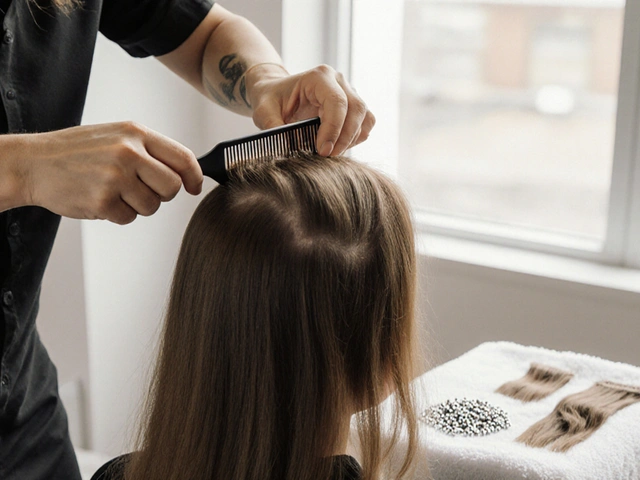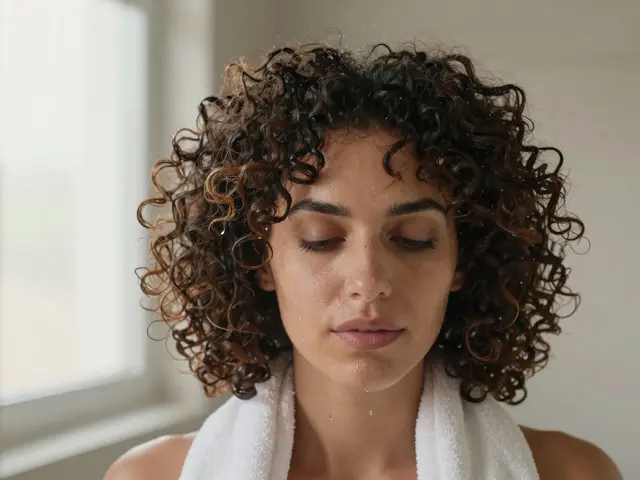

When you think of henna hair dye, a plant-based pigment used for centuries to color hair without harsh chemicals. Also known as lawsonia inermis, it’s one of the few hair color options that actually conditions your hair while it changes its shade. Unlike synthetic dyes that strip moisture and irritate scalps, henna binds to the hair shaft, giving you rich, lasting color—usually red, auburn, or chestnut—without touching the cortex. It’s especially popular among people with Indian hair, sensitive skin, or those tired of ammonia burns and allergic reactions.
What makes henna different isn’t just what it adds—it’s what it leaves out. No ammonia, a harsh chemical used in permanent dyes to open hair cuticles for deep color penetration. No PPD, a common allergen linked to scalp reactions and long-term sensitivity. No peroxide to bleach or dry out strands. That’s why people who’ve had bad experiences with box dyes turn to henna. It’s not just safer—it’s gentler on your hair’s natural texture and scalp health. And while it won’t give you platinum blonde or jet black, it does a surprisingly good job covering grey, especially when mixed with indigo for darker tones.
But henna isn’t magic. It takes patience. The paste needs time to sit—usually 4 to 8 hours—before rinsing. The color develops over 48 hours, so don’t expect instant results. And if you’ve used chemical dyes before, henna can react unpredictably, sometimes turning orange or green. That’s why many people in North Carolina start with a strand test or visit a salon that specializes in natural color. The good news? Once you get the right mix and application down, your hair becomes stronger, shinier, and less prone to breakage.
Behind every great henna result is smart prep and honest expectations. You’ll find posts here that break down which brands work best for Indian hair, how to mix henna with other natural ingredients like coffee or amla, and why some people swear by it for grey coverage while others see disappointing results. You’ll also learn how it compares to other chemical-free options like cassia obovata or beetroot rinses, and why some salons avoid it altogether—because not all henna is created equal. Some products labeled "henna" contain synthetic additives that defeat the whole purpose.
Whether you’re looking to reduce chemical exposure, cover stubborn grey, or just want healthier-looking hair, henna hair dye offers a path that’s been used for generations. It’s not a one-size-fits-all solution, but for those who take the time to understand it, it’s one of the most rewarding choices you can make for your hair.
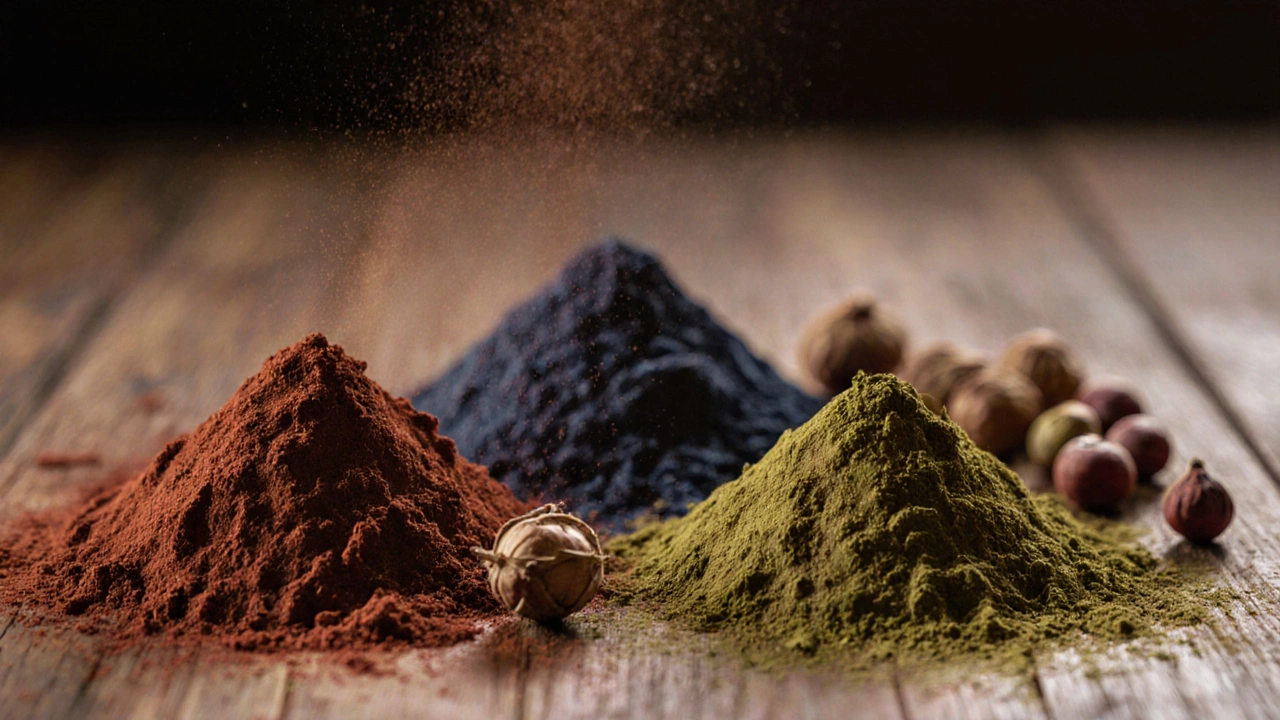
Many hair color products claim to be natural, but what's really in them? Learn which ingredients actually work, which ones are misleading, and how to choose a safe, effective plant-based dye without falling for marketing tricks.
 12
12