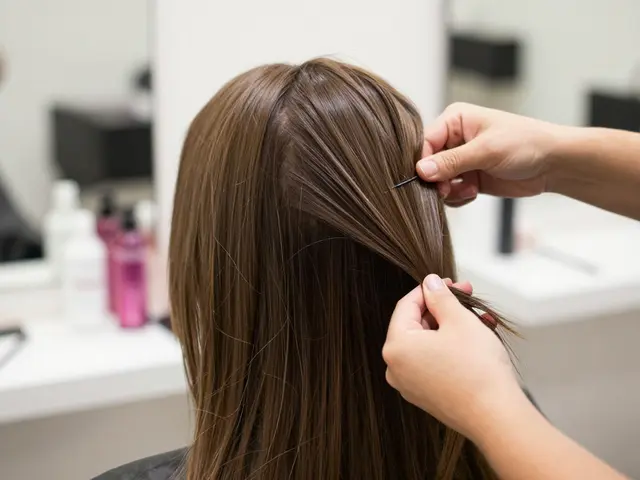

When you hear fusion hair extensions, a method of attaching individual strands of human hair to your natural hair using heat or keratin bonds. Also known as keratin fusion extensions, they’re designed to look and feel like your own hair—no clips, no tapes, no visible tracks. Unlike clip-ins you pull on and off, fusion extensions are meant to stay in for months, growing out with your hair. They’re the go-to choice for people who want real volume, serious length, or just to fill in thinning areas without surgery or chemicals.
What makes fusion different isn’t just how they’re attached—it’s the Remy human hair, high-quality hair where the cuticles are aligned in one direction to prevent tangling and add shine used in the best installations. This isn’t synthetic stuff that looks fake under sunlight. Real Remy hair moves naturally, takes color well, and can be styled with heat tools—just like your own hair. But here’s the catch: if the hair isn’t Remy, or if it’s installed poorly, you risk breakage, matting, or even hair loss. That’s why professional application matters more than price. A bad fusion job can ruin your hair. A good one? It’s like waking up with better hair every day.
And it’s not just about the hair. The hair extension installation, the process of bonding individual strands to your natural hair using heat-activated keratin tips requires skill. It’s not something you do at home with a YouTube tutorial. Technicians work strand by strand, matching your hair’s texture, color, and thickness. Too much heat? You burn your scalp. Too little? The bond fails. Too many extensions? Your hair gets weighed down. It’s a precision job. That’s why most people who get fusion extensions stick with the same salon—they know who knows what they’re doing.
Once they’re in, hair extension care, the daily routine of washing, brushing, and protecting extensions to extend their life and prevent damage becomes part of your routine. You can’t just shampoo like normal. You need to avoid sulfates, brush from the ends up, sleep with your hair loose or in a loose braid, and skip heavy oils near the bonds. Skip these steps, and your extensions will tangle, shed, or fall out early. Do them right, and they can last 3 to 5 months—sometimes longer.
Most of the posts you’ll see below cover exactly these topics: how fusion extensions are installed, what kind of hair works best, how to avoid damage, and how to keep them looking fresh. You’ll also find comparisons to other types like tape-ins and micro-rings, tips on washing and styling, and warnings about what not to do. There’s no fluff here—just real talk from people who’ve been there, and stylists who’ve seen the good, the bad, and the messy.
Whether you’re thinking about getting fusion extensions or you already have them and want to make them last, what follows is the practical stuff you won’t find on a salon’s Instagram page. No marketing buzzwords. Just what works, what doesn’t, and what you need to know before you sit in that chair.
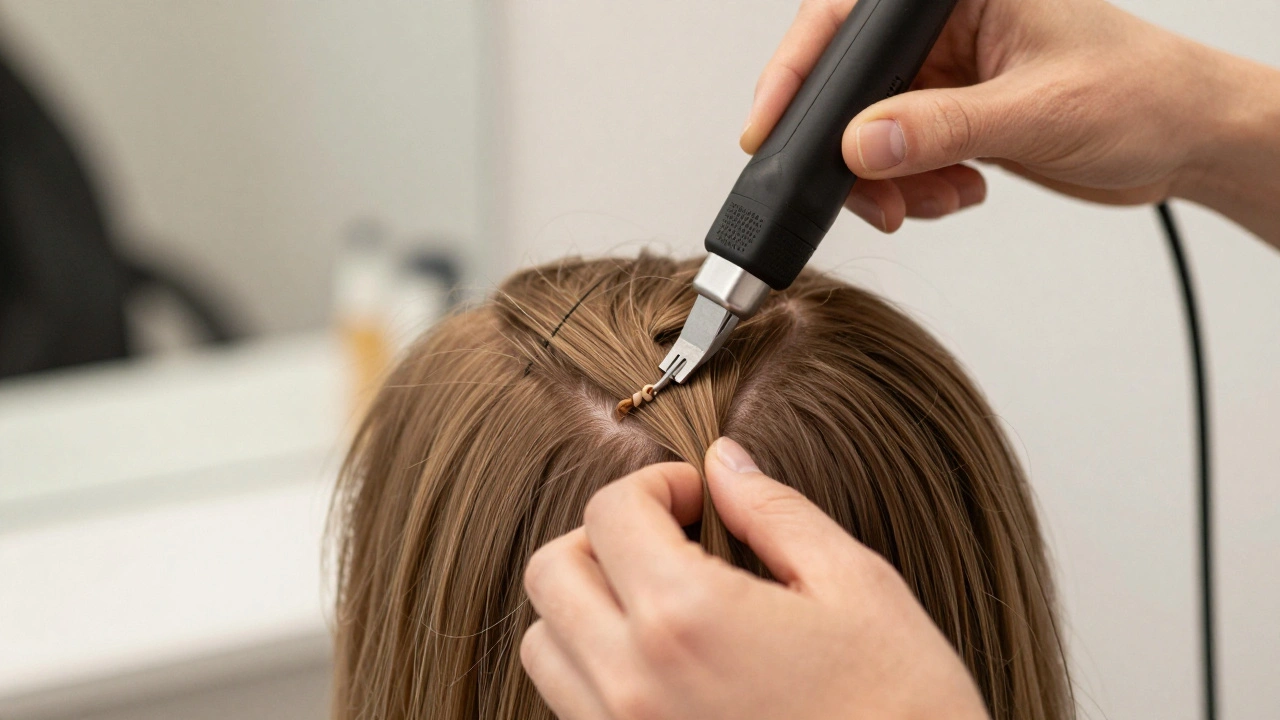
Fusion hair extensions are bonded strand-by-strand to your natural hair for a seamless, long-lasting look. Learn how they work, how long they last, and whether they're right for your hair type.
 13
13