
When it comes to eyebrow removal, a cosmetic procedure that shapes or removes hair from the brow area using wax, threading, or other methods. Also known as brow shaping, it’s one of the most common beauty services—but it’s not just about looks. In North Carolina, there are real licensing laws that govern who can perform it, where, and how. These rules exist to protect you from burns, infections, and untrained hands.
If you’ve ever walked into a salon and wondered if the person doing your brows is actually qualified, you’re right to ask. North Carolina requires anyone doing eyebrow waxing or eyebrow threading to hold a valid cosmetology or esthetician license issued by the North Carolina Board of Cosmetic Art Examiners. That means they’ve completed training, passed exams, and follow strict sanitation rules. Unlicensed individuals—even those working out of homes or pop-up booths—are breaking the law. And if something goes wrong? You’re the one left dealing with redness, scarring, or worse.
It’s not just about who does the work. The tools matter too. Licensed providers must use single-use applicators, disinfect all tools between clients, and avoid waxing over active acne, cuts, or sunburned skin. These aren’t suggestions—they’re legal requirements. That’s why you’ll see disposable gloves, fresh wax strips, and clean towels at any reputable place. If you don’t? Walk out. There’s no excuse for cutting corners when it comes to your face.
Some people think threading is safer because it’s "natural," but that doesn’t make it legal without a license. Whether it’s wax, thread, or tweezers, the same rules apply. The state doesn’t care how it’s done—it cares that it’s done right. And if you’re thinking about offering this service yourself? You’ll need to complete at least 1,500 hours of training and pass both written and practical exams. No shortcuts.
These laws aren’t about holding you back—they’re about making sure you don’t pay for someone else’s mistake. A bad wax job can leave you with ingrown hairs, burns, or even permanent skin damage. A licensed professional knows how to read your skin, adjust pressure, and avoid nerves and blood vessels. They’ve been trained to spot when a client’s skin is too sensitive to proceed. That’s the difference between a quick fix and real care.
At Halo Hair North Carolina, every brow service follows these state rules to the letter. We don’t cut corners because your safety isn’t optional. Whether you’re here for a simple tidy-up or a full brow transformation, you deserve to know the person holding the wax or thread has the right training—and the right paperwork.
Below, you’ll find real advice from people who’ve been through it all: how to spot a licensed pro, what to do if you get burned, why threading isn’t always better than waxing, and how to keep your brows healthy while they grow back. These aren’t guesses—they’re facts based on what actually works, what the law says, and what your skin needs.
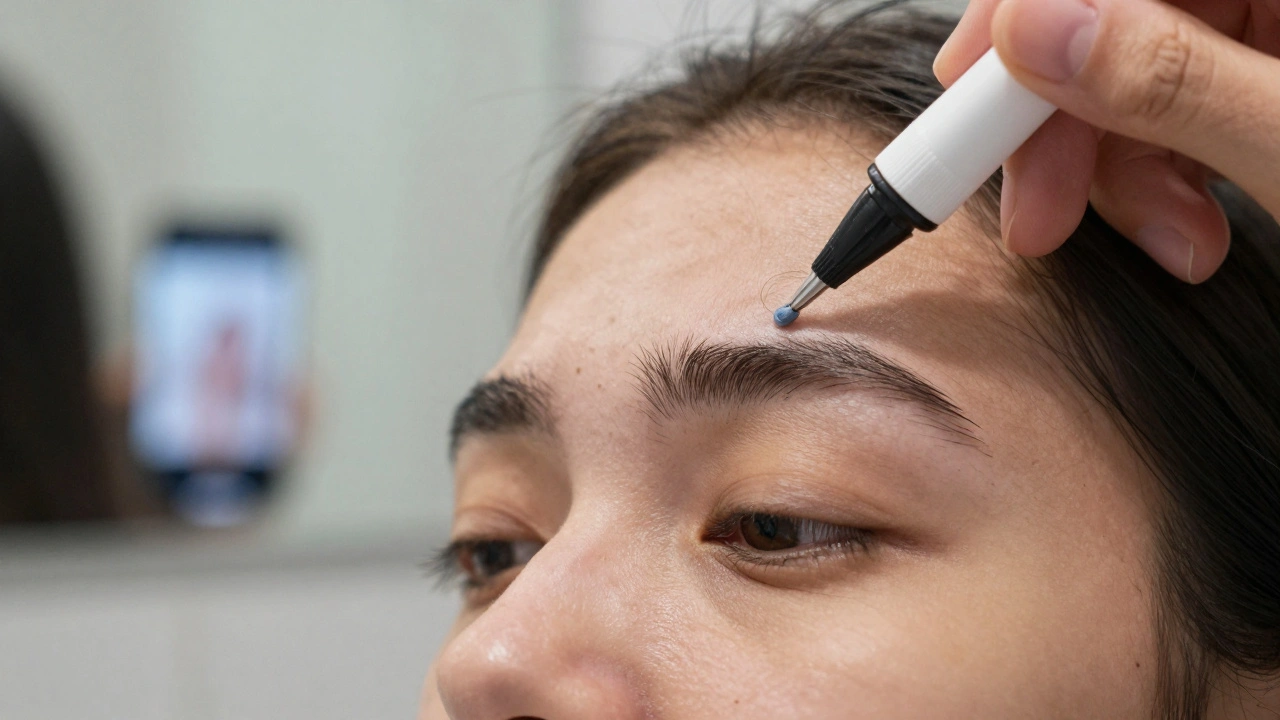
Using an eyebrow wax pen is legal, but many products are unsafe and unregulated. Learn why at-home wax pens risk burns, scarring, and legal trouble-and what safer alternatives actually work.
 0
0