

You’re standing in the beauty aisle, staring at two boxes that look nearly identical. One says "Semi-Permanent," the other says "Demi-Permanent." You want to change your tone without wrecking your hair, but you have no idea which one actually does what. It’s a common trap because marketing labels often blur the lines between chemistry and convenience. But here is the truth: these are not just different names for the same thing. They work via completely different chemical mechanisms, last for vastly different amounts of time, and interact with your hair structure in distinct ways.
If you choose wrong, you might end up with a color that fades after three showers when you wanted it to last a month, or worse, you might think you’re covering grays when you’re only tinting them translucently. This guide breaks down exactly how semi-permanent and demi-permanent hair colors differ so you can pick the right tool for your specific hair goals.
The Core Chemical Difference: Developer vs. No Developer
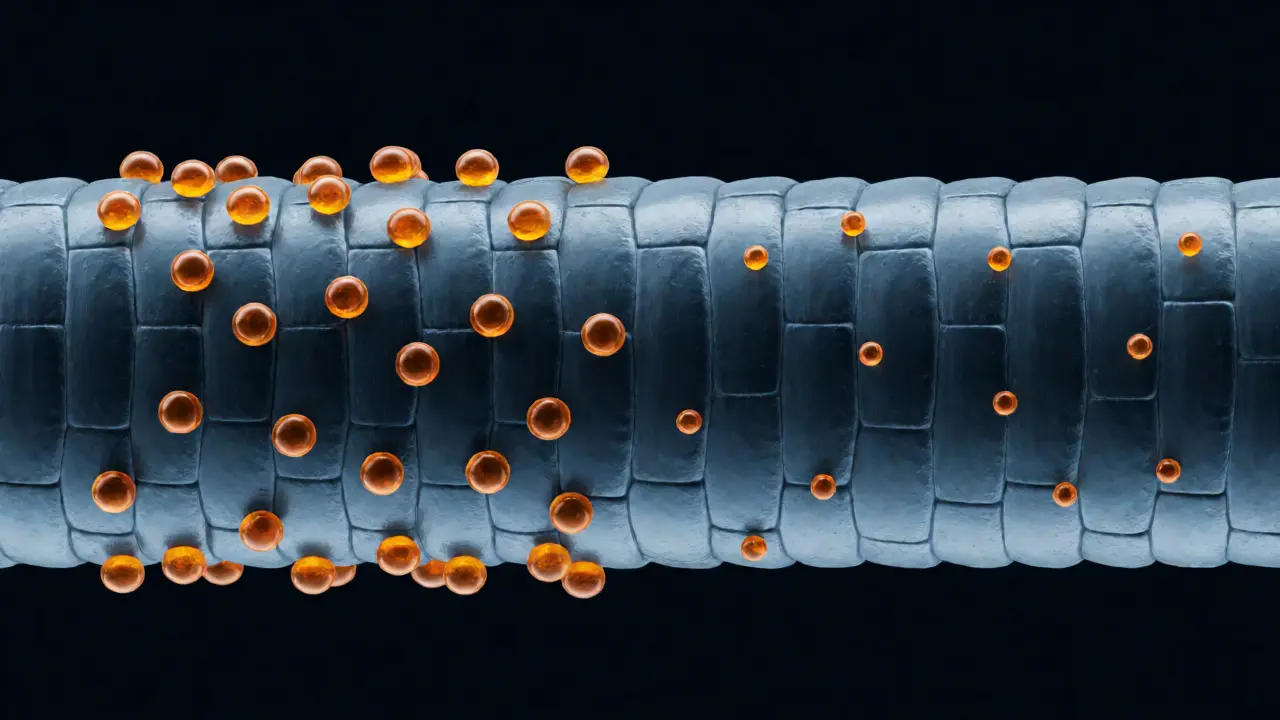
The biggest distinction isn’t about how long they last-it’s about how they get into your hair. Think of your hair strand like a shingled roof. The outer layer is the cuticle. To deposit color deep enough to last, you need to lift those shingles slightly.
Demi-permanent color is an oxidative system. It requires mixing with a low-volume developer (usually containing 2% to 7% peroxide). This developer gently opens the cuticle just enough to allow pigment molecules to lodge themselves under the outer layer of the hair shaft. Because it uses oxidation, it creates a more durable bond than semi-permanent dyes.
In contrast, Semi-permanent color is a direct dye system. It contains no developer and no oxidizing agents. It simply coats the outside of the hair shaft like a stain or a glaze. It doesn’t penetrate the cortex; it sits on top of the cuticle. This makes it incredibly gentle, but also much easier to wash away.
Why does this matter? If you use a demi-permanent dye, you are chemically altering the surface of your hair slightly to hold the color. With semi-permanent, you are physically coating it. One is a temporary penetration; the other is a temporary coating.
Longevity: How Long Do They Actually Last?
This is where most people get confused by brand claims. Manufacturers love to give wide ranges, but there is a clear hierarchy based on the chemistry described above.
- Semi-Permanent: Typically lasts 3 to 12 washes. Some brands claim up to 20, but if you wash your hair daily, expect it to fade significantly within two weeks. Since it sits on the surface, shampoo strips it away quickly.
- Demi-Permanent: Typically lasts 12 to 28 washes (or about 4-6 weeks). Because the pigment is lodged under the cuticle, it resists washing out longer. It fades gradually rather than disappearing abruptly.
A study by Wella Professionals notes that demi-permanent formulas are designed to last up to 28 shampoos, while semi-permanent glosses usually fade within 10 to 20. However, real-world results vary based on hair porosity. High-porosity hair (damaged or bleached) will grab onto semi-permanent color faster but may release it quicker too, whereas low-porosity hair might barely take the semi-permanent stain at all.
Gray Coverage: Can They Hide Your Grays?
If your main goal is hiding gray hairs, this is the dealbreaker section.
| Feature | Semi-Permanent | Demi-Permanent |
|---|---|---|
| Coverage Level | Translucent / Blending | Opaque / Up to 70% |
| Mechanism | Coats surface | Deposits under cuticle |
| Best For | Toning, shine, fashion colors | Blending early grays, darkening |
| Regrowth Line | Fades evenly | Soft grow-out |
Semi-permanent cannot provide full gray coverage. It tints gray hairs, making them blend in with your natural color, but they will still look lighter and less opaque than dyed pigmented hair. It’s great for blending if you have less than 20% gray and don’t mind a softer look.
Demi-permanent offers significantly better coverage. It can cover up to 70% of gray hair effectively. It doesn’t create a harsh root line because it fades gradually, making it ideal for people who want to soften the contrast between their natural color and their grays without committing to permanent dye every four weeks.
Damage and Hair Health
Both categories are marketed as "gentle," but they aren’t equal in terms of structural impact.
Semi-permanent is considered zero-damage. It contains no ammonia and no peroxide. It doesn’t swell the hair shaft or alter its protein structure. It’s essentially a conditioner with pigment.
Demi-permanent is low-damage. While it is almost always ammonia-free, it still uses peroxide in the developer. This mild oxidation lifts the cuticle slightly. Over frequent applications, this can lead to minor dryness or porosity changes, though far less than permanent dye. If your hair is already heavily bleached, even demi-permanent might feel drying compared to semi.
Application and Ease of Use
How hard is it to apply these yourself at home?
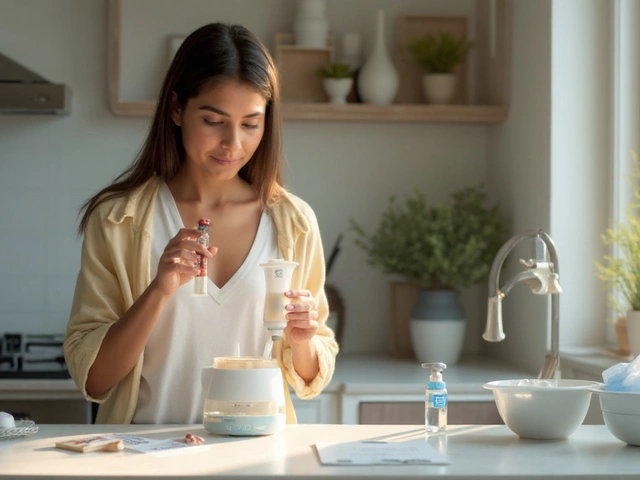
- Semi-Permanent: Very easy. Most come ready-to-use. You shake the bottle, apply it to clean, damp hair, wait, and rinse. No mixing required. Great for quick touch-ups or trying a wild color like blue or pink that you know will wash out.
- Demi-Permanent: Requires precision. You must mix the color cream with the correct ratio of developer (usually 1:1 or 1:2). Timing is critical. If you leave it on too long, it can go darker than expected because the oxidation continues. It’s best done in a salon or by someone comfortable with measuring and timing.

Which One Should You Choose?
Use semi-permanent if:
- You want to try a bold fashion color (purple, teal, red) for a short time.
- You want to add shine and tone to your existing color without commitment.
- Your hair is damaged and you want zero additional stress.
- You have very few grays and just want to blend them subtly.
Use demi-permanent if:
- You want to darken your hair naturally.
- You have noticeable grays (up to 50-70%) and want to cover them without a hard root line.
- You want a color change that lasts several weeks.
- You are transitioning from permanent dye and want to let your roots grow out softly.
Common Misconceptions
"Semi-permanent lightens hair." False. Neither semi nor demi-permanent can lighten hair. They only deposit color. If you want to go blonde, you need bleach or high-lift permanent color.
"Demi-permanent is permanent." False. It grows out or fades away. You won’t have a distinct regrowth line like you do with permanent dye, which is a major benefit for many users.
"They are interchangeable." Dangerous assumption. If you swap demi for semi expecting the same longevity, you’ll be disappointed. If you swap semi for demi expecting zero damage, you might find your hair feeling slightly more porous afterward.
Can I mix semi-permanent and demi-permanent hair colors?
It is generally not recommended to mix them directly in the bowl. Semi-permanent is non-oxidative, while demi-permanent requires developer to activate. Mixing them can result in unpredictable processing times and uneven color deposition. It’s better to choose one formula type and stick to its instructions.
Does demi-permanent hair color contain ammonia?
Most modern demi-permanent hair colors are ammonia-free. Instead of ammonia, they use alternative alkalizers or rely on the peroxide in the developer to open the cuticle sufficiently. This makes them gentler and less smelly than permanent dyes, but they still involve oxidative chemistry.
Will semi-permanent color stain my shower walls?
Yes, especially vibrant shades like reds, blues, and purples. Since semi-permanent dyes are direct dyes sitting on the surface, they can transfer easily during the first few rinses. Protect your bathroom surfaces and wear gloves during application.
Which is better for fine hair?
Semi-permanent is often better for fine hair because it adds shine and body without weighing the hair down or causing further porosity issues. Demi-permanent can sometimes make fine hair feel stiffer due to the slight cuticle lifting, though this varies by brand.
Can demi-permanent cover resistant gray hair?
Resistant grays can be tricky. Demi-permanent covers up to about 70% of grays well. For very resistant, coarse grays, you might need a specialized permanent dye or a double-process method. Always check the specific product’s gray coverage rating before buying.
Chris Neal
September 3, 2026 AT 23:38Actually, the distinction is far more nuanced than just "developer vs no developer." While that's the mechanical difference, you're ignoring the molecular weight of the dye precursors. Semi-permanent dyes are typically direct dyes with larger molecules that physically adsorb to the cuticle surface via electrostatic interactions and hydrogen bonding. They don't penetrate the cortex at all. Demi-permanent uses smaller oxidative intermediates that can slip into the cortex when the cuticle is lifted by a low-volume peroxide (usually 10 vol or less). The key here is that demi-permanent doesn't contain ammonia, which means it doesn't swell the hair shaft as aggressively as permanent color, but it still creates covalent bonds within the cortex that semi-permanent simply cannot form. If you have high-porosity hair from previous bleaching, even semi-permanent might show some uptake due to damaged cuticles allowing physical entrapment, but it will never be chemically bonded in the same way. This is why professional colorists often use demi-permanent for toning after highlights-it deposits without lifting, preserving the integrity of the already compromised hair structure.
Onyinyechi Nwosu
September 4, 2026 AT 12:39this is so helpful i always mixed them up
i have fine hair so semi is definitely better for me
Kyle Ware
September 6, 2026 AT 11:54good point on porosity. one thing to add if you have low porosity hair semi permanent might just sit there looking greasy until you clarify. heat helps open the cuticle slightly even without developer so using a warm towel during processing can help it adhere better without damage. also demi permanent timing is crucial because once the oxidation starts it keeps going until rinsed out so leaving it too long can shift your tone darker unexpectedly
Brannen Hall
September 7, 2026 AT 03:36Marketing fluff. Both fade eventually. Just buy the cheaper one.
Chris Neal
September 7, 2026 AT 16:02That statement demonstrates a fundamental misunderstanding of hair chemistry. You cannot equate two products with entirely different chemical mechanisms based solely on their eventual fate. One involves oxidative polymerization inside the cortex; the other is surface-level deposition. Saying they are the same because both eventually fade is like saying water and wine are the same because both are liquids. The structural impact on the keratin matrix is vastly different. Ignoring this leads to poor hair health outcomes over time.
Vishnu Vardhan Reddy M S
September 8, 2026 AT 07:06Haha love the passion Chris! But let's keep it chill for the folks who just want pretty hair 😂
For everyone else: think of it this way. Semi-permanent is like putting a sticker on your car window. It looks good, adds flavor, but peels off easily and doesn't change the glass itself. Demi-permanent is like tinting the glass. It goes deeper, lasts longer, and requires a bit more skill to apply correctly, but it becomes part of the surface rather than just sitting on top.
If you are new to coloring, start with semi-permanent. It is forgiving. If you mess up, it washes out. Then graduate to demi-permanent when you want more commitment. And please, do not skip the strand test! I cannot stress this enough. Your future self will thank you for saving money on correction services.
Brenna Gonedrman
September 8, 2026 AT 22:45OH MY GOD YES FINALLY SOMEONE EXPLAINS IT PROPERLY!!! I was SO confused staring at those boxes for YEARS. It makes total sense now about the developer thing. Super important info!!
Courtney Wagstaff
September 10, 2026 AT 09:06Love this breakdown!
I've been using semi-permanent glosses for years to keep my red hair vibrant between salon visits. It’s such a game changer for maintaining shine without frying my ends. Definitely agree that it’s perfect for experimenting with fun colors too. Tried a teal once for a festival and it washed out beautifully after two weeks-no regret, just great memories!
Chandan Singh
September 10, 2026 AT 22:25The article simplifies the issue somewhat. In professional contexts, the term 'demi-permanent' is sometimes used loosely to include certain acidic color-depositing treatments that do not require traditional peroxide developers but rely on pH adjustments to deposit pigment. Furthermore, the longevity claims are heavily dependent on shampoo formulation. Sulfate-free shampoos can extend the life of semi-permanent color significantly, sometimes blurring the line between the two categories in practical application. One must also consider the role of hard water minerals which can accelerate fading regardless of the dye type. Thus, while the chemical distinction is valid, the user experience is highly variable based on external factors.
Iva Grekova
September 11, 2026 AT 04:12This is exactly what I needed to read today. I’ve been hesitant to try anything new because I didn’t want to commit to permanent dye. Knowing that demi-permanent offers a soft grow-out is really reassuring. I’m going to try the demi option for covering my early grays next month. Thanks for sharing this clear guide!
Elisabeth Ballet
September 12, 2026 AT 00:30Listen up! If you are trying to cover gray, stop wasting your time with semi-permanent unless you have barely any. It is translucent for a reason. You need that oxidative process to get opaque coverage. Do not let marketing tell you otherwise. Go demi or go home.
Joanna Mucha
September 12, 2026 AT 05:24We are witnessing the commodification of beauty rituals, where the superficial distinction between 'semi' and 'demi' serves merely to segment the consumer market rather than address the ontological crisis of identity inherent in changing one's appearance. The cuticle, that fragile boundary between self and world, is violated differently by each agent, creating disparate narratives of permanence and transience. To choose one is to choose a philosophy of temporal existence, not merely a shade of brown.
Kim Edwards
September 13, 2026 AT 02:57OMG I CRIED READING THIS. I spent $40 on a box of semi-permanent thinking it would cover my grays and it looked like I had dandruff made of purple glitter. TOTAL DISASTER. I felt so betrayed by the label. Now I know better and I am NEVER making that mistake again. The pain... the shame...