
You see the big, bold "Ammonia-Free" label on a box of hair color at the drugstore and assume you've dodged a bullet. You're avoiding the harsh smell, right? Maybe your scalp won't itch as much. But here's the uncomfortable truth that most marketing departments hope you never investigate: swapping out ammonia doesn't automatically make hair dye safer for your hair or your skin. In fact, some common replacements might actually cause more structural damage to your strands than the original culprit.
Ammonia gets a bad rap because it smells like a swimming pool locker room and can sting if you leave it on too long. It’s an irritant, sure. But it’s not the primary reason people get allergic reactions-that usually comes down to other chemicals hiding in the mix. If you’re looking for a genuinely safer alternative, you need to look past the front-of-the-box claims and understand what’s actually inside the tube. Are you trying to cover stubborn gray roots? Refresh your tone without frying your ends? Or avoid a specific allergy? The "safest" choice changes completely depending on your goal.
The Real Job of Ammonia
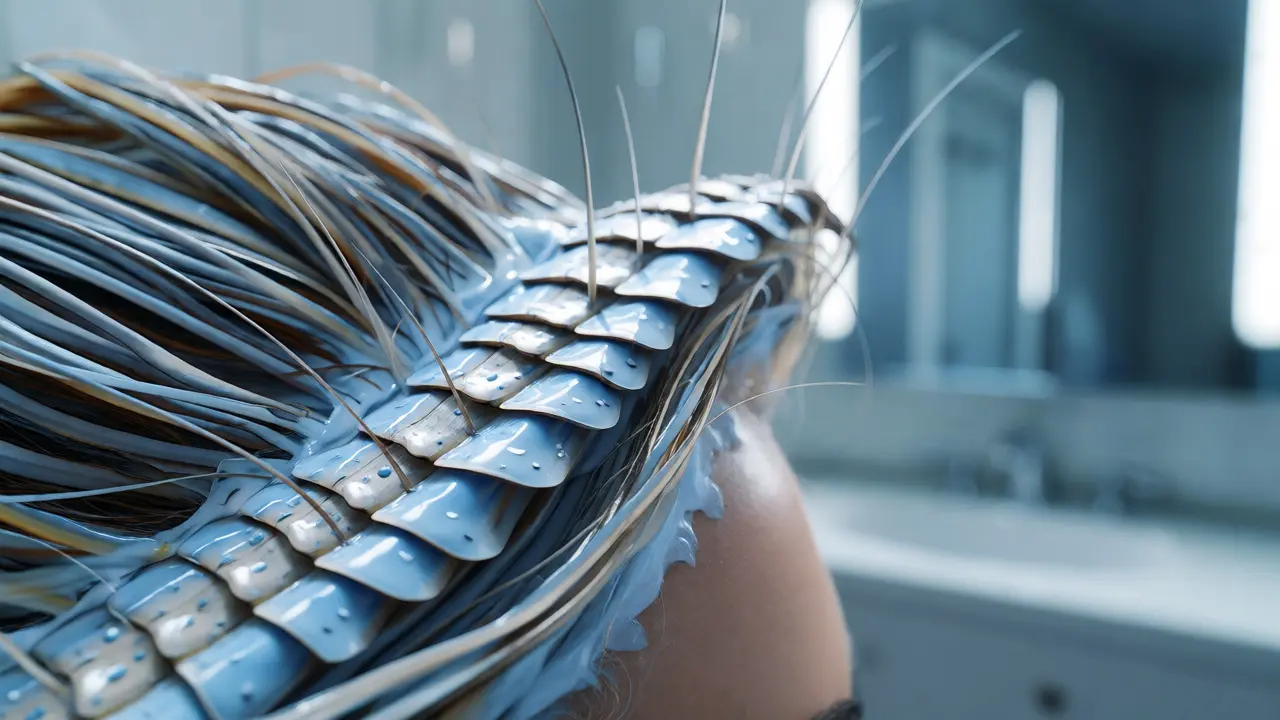
To find a replacement, you first have to know what ammonia does. It isn’t there just to make things smell bad. Ammonia is an alkalizing agent. Its job is to raise the pH level of the dye mixture, which forces the outer layer of your hair (the cuticle) to swell open. This opening allows hydrogen peroxide and color molecules to penetrate deep into the cortex, where they react to create permanent color.
When ammonia evaporates, the cuticle closes back up, locking the color in. Because ammonia is highly volatile, it escapes quickly, which limits how long it sits on your scalp. This volatility is why it smells so strong-you’re literally inhaling the gas leaving the bottle. While it can cause irritation or dryness, its ability to lift natural pigment makes it very effective for lightening hair or covering resistant grays.
Monoethanolamine (MEA): The Popular Swap
If you buy an "ammonia-free" permanent dye, you are almost certainly buying one that uses Monoethanolamine, also known as MEA or ethanolamine. Like ammonia, MEA raises the pH to open the cuticle. However, it is a larger molecule and less volatile. This means two things: it doesn’t smell nearly as bad, and it stays on the hair longer.
Is this better? Not necessarily. Because MEA doesn’t evaporate quickly, it continues to process the hair for a longer period. Some studies suggest this prolonged exposure can lead to more protein loss and fiber damage compared to ammonia-based formulas. A 2014 study using advanced microscopy found that certain MEA formulations caused significantly more hair-fiber damage than comparable ammonia versions. Why? MEA is more nucleophilic, meaning it reacts more aggressively with the proteins in your hair.
However, MEA is often gentler on the scalp for people who are sensitive to the sharp vapor of ammonia. If your main issue is the smell or immediate scalp tingling, MEA is a decent compromise. Just don’t expect it to be magic. If the formula has high concentrations of MEA to compensate for its weaker lifting power, you might end up with drier, more brittle hair over time.
Semi-Permanent and Demi-Permanent Options
If you want to minimize damage, this is where you should look. Semi-permanent dye works differently. It doesn’t use ammonia or MEA to force the cuticle open. Instead, it deposits color onto the outside of the hair shaft or slightly under the cuticle without using a developer (hydrogen peroxide). Because there’s no chemical reaction breaking down your natural pigment, this is the gentlest option available.
- Best for: Adding shine, refreshing faded color, blending a few grays, or trying a temporary fashion color.
- Limitations: It cannot lighten your hair. If you have dark brown hair and want to go blonde, semi-permanent won’t work. It also fades faster, typically lasting 6-8 washes.
Demi-permanent dye sits in the middle. It uses a low-volume developer (usually 10 volume or less) and a mild alkalizer (sometimes MEA, sometimes something else). It penetrates the hair but doesn’t lift natural color significantly. It’s great for toning brassiness or covering early grays without the commitment or damage of permanent color.
The Allergy Myth: PPD vs. Ammonia
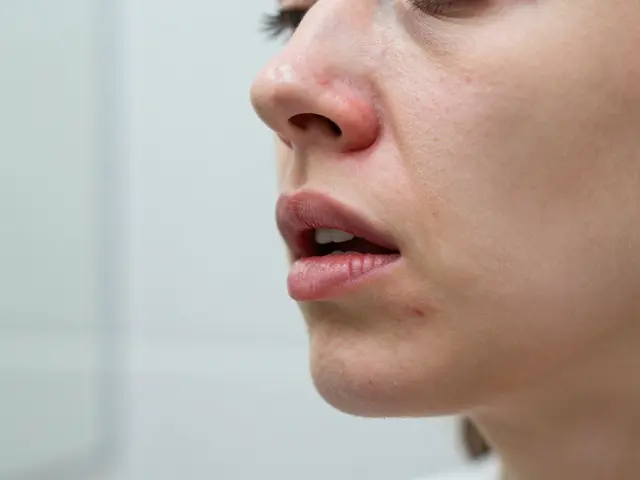
This is the biggest misconception in hair coloring. People think "ammonia-free" means "allergy-free." It doesn’t. Most allergic reactions to hair dye aren’t caused by ammonia; they’re caused by oxidative dye intermediates like p-Phenylenediamine (PPD). PPD is the ingredient responsible for creating long-lasting, dark colors. It’s a potent sensitizer.
A product can be ammonia-free and still contain high levels of PPD. If you’ve ever had a rash, swelling, or itching after dyeing your hair, switching to an ammonia-free brand might not help if PPD is still in the list. To truly reduce allergy risk, you need to avoid PPD, PTD (p-toluenediamine), and resorcinol. Look for products explicitly labeled "PPD-free." Even then, patch testing is non-negotiable. The FDA recommends applying a small amount behind your ear or on your inner elbow and waiting 48 hours before full application. Do this every single time, even if you’ve used the same brand for years. Sensitization can happen suddenly.
Henna and Plant-Based Powders
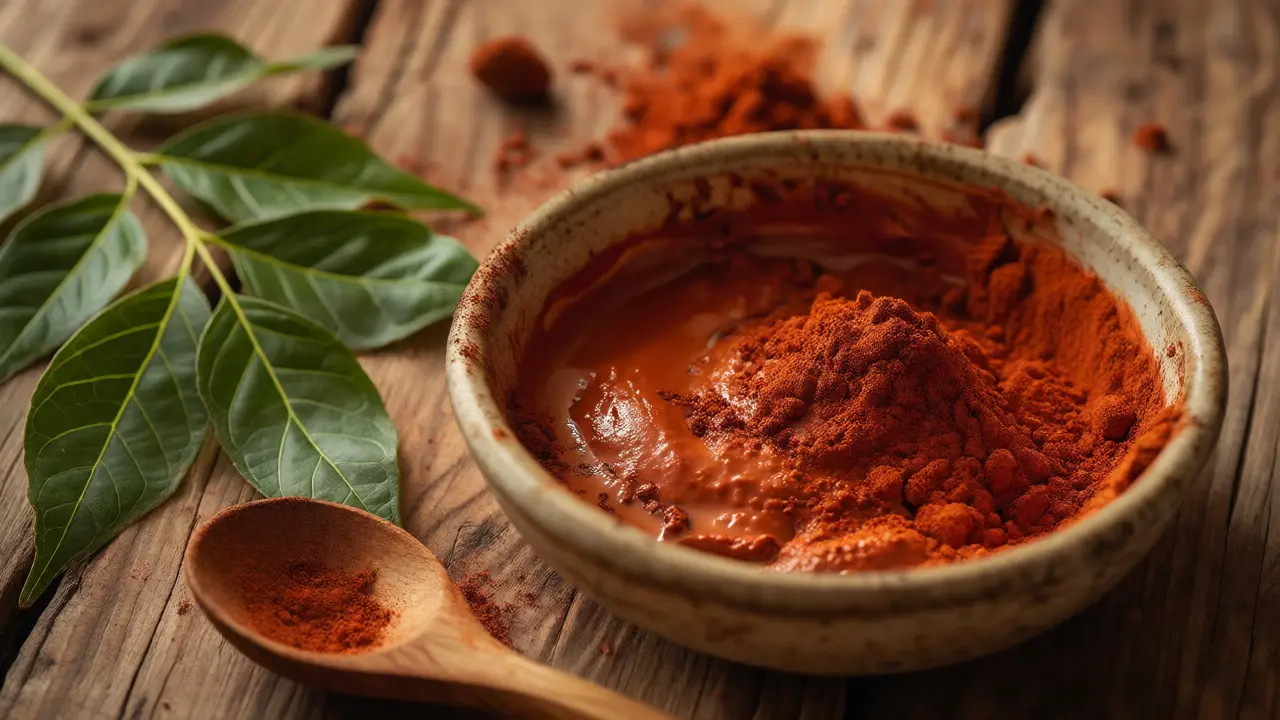
For those wanting to go fully natural, Henna (Lawsonia inermis) is a traditional option. Pure henna coats the hair with a reddish-orange pigment. It contains no ammonia, no MEA, and no synthetic developers. It strengthens the hair shaft rather than damaging it.
But beware of "Black Henna." Many commercial black henna products are mixed with PPD to achieve a darker shade. Since PPD is not approved for direct skin contact, these mixes can cause severe burns and scarring. Always check the ingredients. If it says "black henna" and lists PPD, it’s not a natural alternative-it’s just a messy way to apply a chemical dye.
Pure henna is difficult to remove. Once you dye your hair with it, bleaching over it later can result in unpredictable green or orange tones. It’s a commitment. If you’re experimenting, try a strand test first.
Comparison: Which Alternative Fits Your Needs?
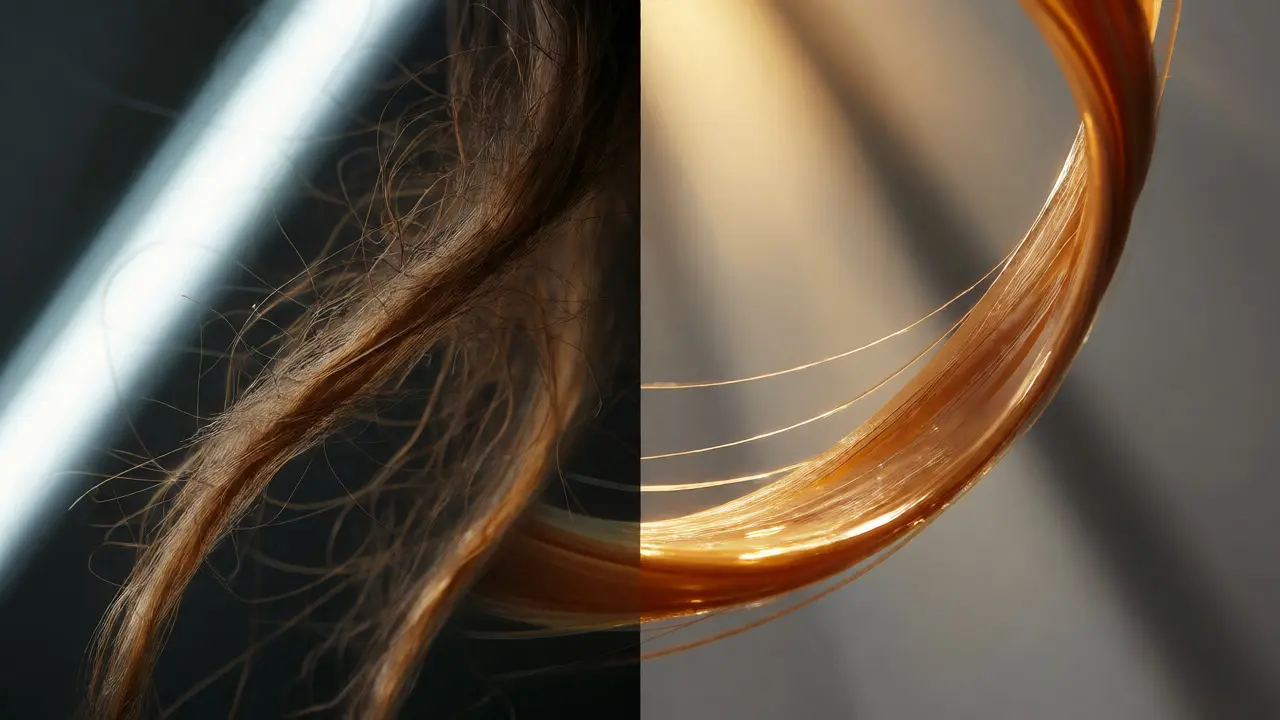
| Feature | Ammonia | MEA (Ethanolamine) | Semi-Permanent | Henna (Pure) |
|---|---|---|---|---|
| Odor | Strong, pungent | Mild, faint | None or pleasant | Earthy, grassy |
| Damage Potential | Moderate (lifts cuticle) | Moderate-High (prolonged exposure) | Low (surface deposit) | Very Low (strengthens) |
| Gray Coverage | Excellent | Good | Fair (blends only) | Poor (adds red/orange) |
| Allergy Risk | Irritant | Irritant | Low (check for PPD) | Low (unless adulterated) |
| Longevity | Permanent | Permanent | 6-8 washes | Permanent (grows out) |
How to Choose Safely
There is no single "best" replacement. It depends on what you value most:
- For minimal damage: Choose a semi-permanent gloss or conditioner with pigment. It won’t change your base color, but it will add shine and mask minor grays.
- For odor sensitivity: Choose an MEA-based permanent dye. It’s quieter and less likely to trigger respiratory irritation during application.
- For allergy safety: Avoid PPD and resorcinol. Look for plant-based alternatives or specialized brands that use different dye precursors. Always patch test.
- For total chemical avoidance: Use pure henna or indigo blends. Accept that you won’t get precise salon shades and removal is hard.
Remember, "natural" doesn’t mean "safe," and "chemical" doesn’t mean "toxic." The key is matching the chemistry to your hair’s condition. If your hair is already porous and damaged from previous bleaching, adding another strong alkalizer like MEA might break it further. In that case, a semi-permanent deposit is the smarter move.
Does ammonia-free hair dye last as long as regular dye?
It depends on the type. MEA-based ammonia-free dyes are permanent and last just as long as ammonia-based ones. Semi-permanent ammonia-free options fade after 6-8 washes. Demi-permanent lasts about 24-28 washes. If you buy a permanent ammonia-free kit, expect the same longevity.
Is MEA worse for hair than ammonia?
Research suggests MEA can cause more protein loss and fiber damage in some formulations because it remains active on the hair longer. However, it is less irritating to the scalp and produces less odor. Whether it is "worse" depends on whether you prioritize scalp comfort or structural integrity.
Can I switch from ammonia to henna safely?
Yes, but be cautious. Ensure the henna is 100% pure Lawsonia inermis with no metallic salts or PPD. Apply it over clean, dry hair. Note that you cannot easily bleach over henna later, so treat it as a permanent commitment.
Why do I still get allergies with ammonia-free dye?
Most allergies are caused by PPD (p-phenylenediamine) or similar compounds, not ammonia. Ammonia is primarily an irritant. If you react to ammonia-free dye, check the ingredient list for PPD, PTD, or resorcinol, and perform a patch test.
Is semi-permanent dye safe for damaged hair?
Yes, semi-permanent dye is generally the safest option for damaged hair because it lacks ammonia, MEA, and high-volume peroxide. It deposits color without forcing the cuticle open, reducing further stress on fragile strands.