

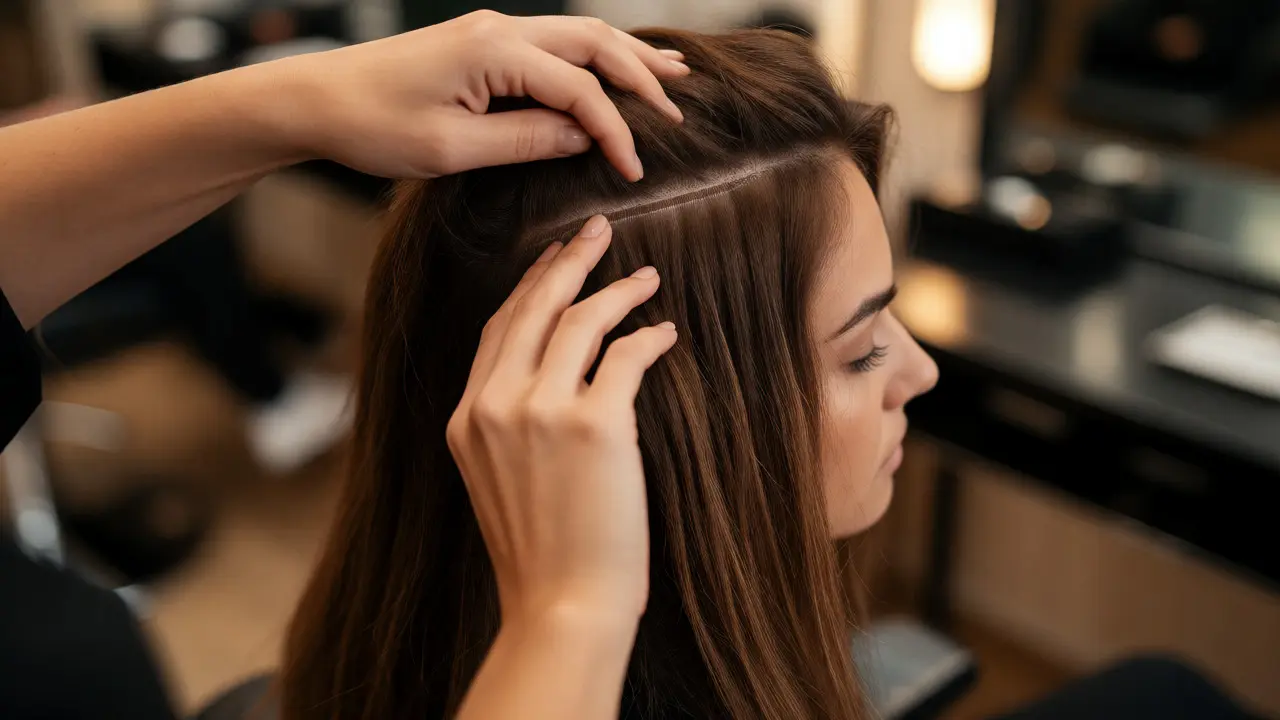
You’re sitting in the chair, the stylist just clipped that last weft into place, and you run your fingers through the new length. It looks incredible in the mirror. But then comes the question every first-timer asks: Does this actually feel like my own hair?
The short answer is yes, but with a big asterisk. Hair extensions are designed to mimic the look of natural hair, but the tactile experience depends heavily on the material quality, attachment method, and how well they blend with your unique texture. If you’ve ever touched a mannequin head or worn cheap costume wigs, you know the difference between plastic-y strands and soft, living fiber. High-end extensions bridge that gap, but they aren’t magic.
The Texture Gap: Why Some Extensions Feel Fake
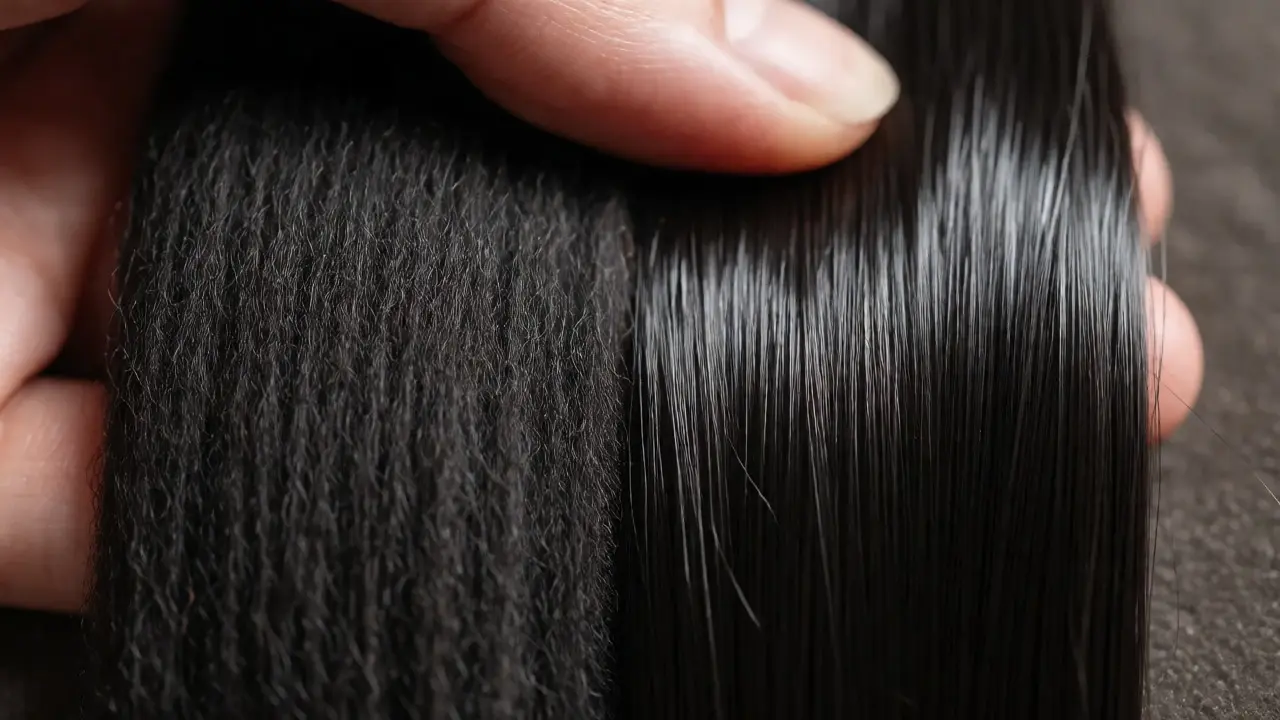
Your natural hair has a cuticle layer-a microscopic shingle-like structure that reflects light and creates friction. This friction is what allows your hair to hold styles and feel "grippy" rather than slippery. Most low-quality extensions lack this intact cuticle or have it stripped away during processing. The result? Strands that feel slick, dry, or oddly heavy.
When people ask if extensions feel like regular hair, they’re usually comparing them to their own healthy, untreated strands. Here’s the reality check:
- Synthetic fibers (like Kanekalon) often feel cooler to the touch and can tangle differently because they don’t absorb oils from your scalp.
- Remy human hair retains its cuticle alignment, meaning it feels smoother and behaves more like your own hair when brushed.
- Virgin human hair hasn’t been chemically processed, so it retains the most natural moisture balance and elasticity.
If your extensions feel like straw, it’s rarely because they aren’t "real" hair; it’s because they were over-processed or lack proper conditioning. Your scalp produces sebum, which travels down your natural shafts. Extensions attached at the root don’t always get that same nutrient flow, especially if they’re long. This leads to a texture mismatch where the roots feel normal, but the ends feel dead.
Attachment Methods Change the Sensation
How the hair attaches to your scalp dictates how much you notice it. You might not feel the hair itself, but you’ll definitely feel the hardware or adhesive holding it up.
| Method | Tactile Sensation | Weight Perception | Scalp Awareness |
|---|---|---|---|
| Clip-ins | Noticeable metal clips against scalp; hair feels identical to natural hair once blended. | Light to Medium; easy to remove daily. | Low; pressure points only at clip sites. |
| Tape-ins | Smooth tabs lie flat; minimal bulk under natural hair. | Medium; distributed evenly across two sections. | Very Low; often forgotten after 48 hours. |
| Micro-links | Beads can be felt if close to scalp; risk of snagging. | Heavy; concentrated weight on small bundles. | High; beads press against skin. |
| Sew-in Wefts | Braided base feels tight; hair moves as one mass. | Heavy; entire row adds significant load. | Moderate; tension headaches common initially. |
Tape-ins are currently the gold standard for "invisible" comfort. Because the tabs are thin and sandwiched between your natural hair, you rarely feel them. Clip-ins, conversely, have hard plastic or metal teeth. If you wear them too high on your head, you’ll feel those little bites all day. Micro-links use small silicone-lined beads. If the bead isn’t placed correctly, it digs in. That’s not the hair feeling fake-that’s poor installation causing physical discomfort.
Blending Is Everything: The Visual-Tactile Link
Your brain interprets texture partly through sight. If the color matches perfectly but the curl pattern doesn’t, your hand will register a discrepancy. Imagine running your fingers over straight Brazilian hair while your own hair is tightly coiled 4C texture. Even if both are human hair, the slip-and-grip ratio differs wildly.
To make extensions feel like regular hair, they must match three specific attributes of your natural strands:
- Diameter: Fine hair needs fine-denier extensions. Thick, coarse hair needs robust strands. Using thick extensions on fine hair makes them feel stiff and separate from your own locks.
- Curl Pattern: A loose wave won’t blend seamlessly with tight curls without heat styling every single time. The constant heat damages both your hair and the extensions, altering their texture over time.
- Luster: Matte finishes look more natural for many textures. Overly shiny extensions scream "synthetic," even if they’re made of real human hair. Dullness is often mistaken for damage, but sometimes it’s just the right level of realism.
I’ve seen clients buy expensive virgin hair that felt amazing in the package but looked like plastic once installed because it didn’t match their natural sheen. Always bring a swatch of your own hair to the consultation. Hold it next to the sample. Rub them together. Do they catch on each other similarly? If one slides off the other instantly, they won’t blend well.
The Learning Curve: Adapting to New Weight
Even perfect hair feels different when it’s heavier than you’re used to. Adding six inches of length adds weight to your neck and shoulders. For the first week, you might constantly touch your hair, adjusting it behind your ear or checking if it’s still there. This hyper-awareness fades quickly.
Think of it like breaking in new shoes. At first, you notice every seam. After a few days, your foot adapts. With extensions, your scalp nerves adjust to the slight tension of the bonds. However, pain is not adaptation. Sharp pain means something is wrong-too tight, too heavy, or an allergic reaction to adhesive.
There’s also the sensory issue of movement. Natural hair moves independently. Extensions, especially sew-ins or large tape-in rows, move as clusters. When you turn your head quickly, you might feel a slight lag or a heavier sway. This isn’t a defect; it’s physics. To mitigate this, stylists often recommend blending layers into the extensions so the movement mimics the randomness of natural growth.
Care Routines Alter How They Feel
Here’s a secret vendors won’t tell you: Extensions feel better when they’re clean, but worse when they’re conditioned incorrectly. Because extensions don’t receive scalp oils, they dry out faster. Many people over-wash them, stripping any remaining moisture, making them feel brittle.
Use sulfate-free shampoos and lightweight conditioners. Avoid heavy oils near the bonds (tape or glue), as they cause slippage. Slipping bonds create gaps where air gets trapped, leading to weird static or tangling sensations. If your extensions start feeling rough after three weeks, it’s likely product buildup or dryness, not the material itself.
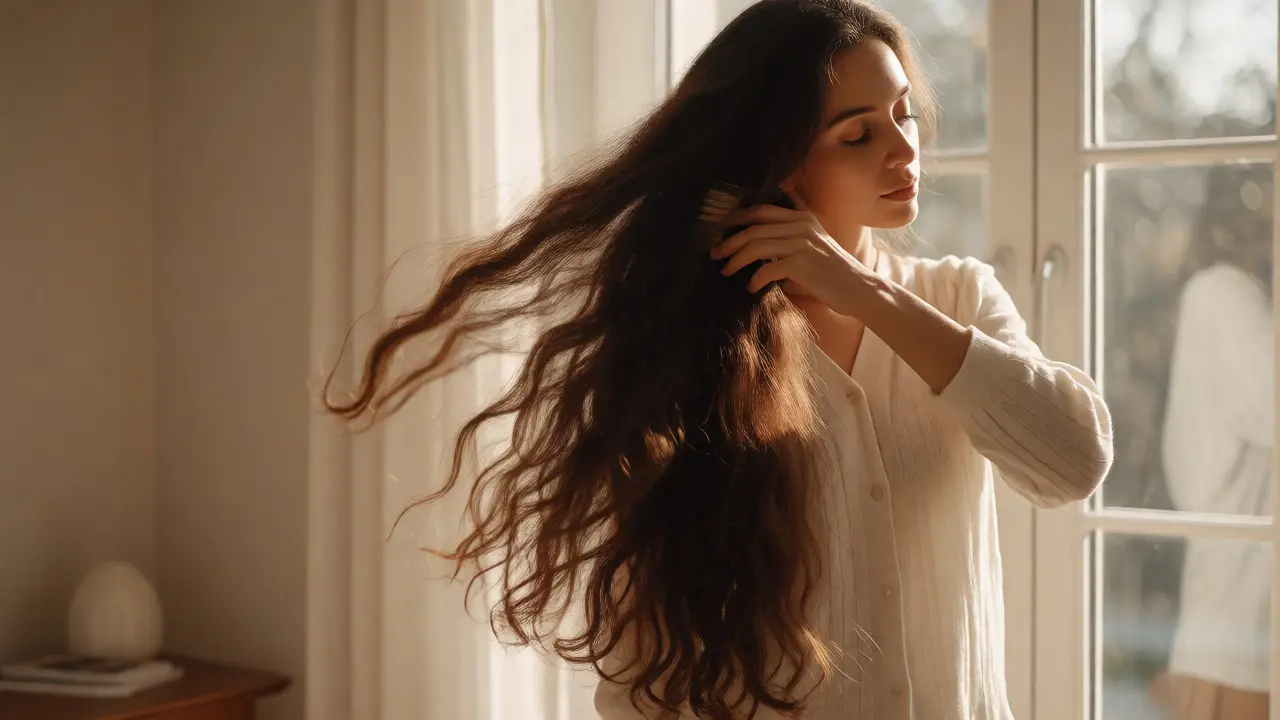
Brushing technique matters too. Start from the ends and work up. Yanking from the root pulls on the bonds, sending a jolt of sensation to your scalp. Gentle detangling preserves the smooth glide of the strands. If you skip this step, knots form around the attachment points, creating lumps you can feel with your fingertips.
Common Misconceptions About Extension Comfort
Many women avoid extensions because they heard horror stories about headaches and itching. Let’s debunk these myths with some clarity.
Myth 1: All extensions itch.
Reality: Itching usually stems from adhesive irritation or poor hygiene, not the hair itself. Hypoallergenic tapes exist for sensitive scalps. Keeping the area clean prevents fungal issues that cause itchiness.
Myth 2: Human hair always feels softer than synthetic.
Reality: Not necessarily. High-quality synthetic fibers like Futura are engineered to mimic the exact denier and slip of human hair. In humid Houston weather, some synthetics actually resist frizz better, maintaining a smoother feel longer than untreated human hair.
Myth 3: You can’t sleep comfortably with extensions.
Reality: Once you learn to braid them loosely or use a satin bonnet, sleeping becomes seamless. The key is preventing friction. Cotton pillowcases snag extensions, pulling on bonds and waking you up. Satin reduces drag, preserving the silky feel of the strands.
How to Test Before You Commit
Don’t just trust the label. Perform a tactile test before purchasing or installing.
- The Slip Test: Run your thumb and forefinger along a strand. Does it feel gritty (damaged cuticle) or smooth (healthy)? Healthy hair should glide smoothly but offer slight resistance.
- The Burn Test (if allowed): Human hair smells like burnt protein (feathers). Synthetic melts and smells like plastic. This confirms authenticity, which correlates with natural feel.
- The Blend Test: Ask your stylist to install just one piece first. Wear it for 24 hours. Note how it feels when you shower, brush, and sleep. If it bothers you immediately, adjust the method or material before committing to a full head.
Remember, your expectations shape your experience. If you expect extensions to vanish entirely, you’ll be disappointed. They are foreign objects added to your body. But when done right-with quality human hair, proper blending, and correct installation-they become second nature. You stop noticing them until someone compliments your length, and you forget you’re wearing them at all.
Do hair extensions hurt to put in?
Generally, no. Tape-ins and clip-ins are painless. Sew-ins may cause mild tension headaches due to braiding tightness, but sharp pain indicates improper installation. Micro-links can pinch if the tool slips, but skilled stylists minimize this risk. Any lasting pain suggests the attachments are too tight or heavy for your hair density.
Can I feel the difference between human and synthetic hair?
Yes, typically. Human hair absorbs moisture and oils, giving it a softer, more variable texture that changes with humidity. Synthetic hair tends to feel uniformly smooth, sometimes plasticky, and does not react to environmental moisture. However, premium synthetic fibers are getting very close to the feel of mid-range human hair.
Why do my extensions feel dry and brittle?
Extensions lack access to your scalp's natural sebum. Without regular moisturizing treatments and gentle cleansing, they lose elasticity. Use leave-in conditioners and deep conditioning masks weekly. Avoid alcohol-based products which dry out the fiber further.
Do extensions feel heavier than natural hair?
Initially, yes, because you're adding mass. Over time, you adapt. However, if they feel excessively heavy, it may indicate too much volume was added for your hair type, or the attachment points are bearing too much weight, risking traction alopecia.
Will my scalp feel different with extensions?
You may notice reduced airflow to the scalp, leading to increased sweating or oiliness. Some methods cover more surface area, trapping heat. Proper washing techniques and breathable attachment methods help maintain scalp health and comfort.
Howard Hurd
October 24, 2026 AT 16:37It's all a big lie sold to keep the beauty industry rich. Real American hair is superior but they import cheap junk from overseas just to mark it up 300%. You can't trust these "experts" telling you it feels natural when half of them have never held a pair of scissors in their lives. :/
Manoj Kumar
October 25, 2026 AT 02:42The correlation between attachment method and tactile sensation is merely a statistical artifact designed to obscure the underlying chemical degradation of the keratin structure. One must consider that the adhesive compounds used in tape-ins are often derived from petroleum byproducts which may induce subtle neuro-inflammatory responses not immediately apparent to the untrained observer. It is suspicious that the industry pushes for 'invisible' comfort while simultaneously increasing the density of foreign material on the scalp.
Hemali Jaiswal
October 26, 2026 AT 05:31Oh, honey, let me paint you a clearer picture! 🎨 The texture gap isn't just about quality; it's about the harmony of your natural ecosystem. Think of your hair as a garden-extensions are like exotic flowers grafted onto native soil. If the grafting (attachment) is too tight or the variety (texture) clashes, the whole bloom suffers. Virgin human hair is indeed the gold standard because it retains its cuticle integrity, allowing it to breathe and move with the wind, much like silk against skin. However, remember that synthetic fibers have come leaps and bounds forward; high-end Kanekalon can mimic that slip-and-grip ratio surprisingly well if treated with love and gentle care. The key is blending, darling. Blend the diameter, blend the luster, and blend the soul of the style into your own unique narrative. Don't let anyone tell you it has to feel exactly like your own roots; it should feel like an extension of your confidence. 💖
Sean Eagen
October 27, 2026 AT 08:02If it hurts, take it out. Simple as that. People suffer needlessly just to look pretty. Its vanity causing pain.
Kieran Mitchell
October 29, 2026 AT 04:44EXCUSE ME?! Did we forget that this entire concept is built on the back of exploited labor and imported goods?? I am absolutely furious that we normalize putting foreign objects on our heads without questioning the supply chain!!! And don't even get me started on the "learning curve"-it's an excuse for bad installation!!! We deserve perfection, not adaptation!!! 😤😤😤
Sherri Jones
October 31, 2026 AT 03:44This is such a nuanced topic! 🌟 As someone who works in the industry, I can confirm that the "slip test" mentioned is crucial. Also, adding to the care routine: avoid alcohol-based hairsprays near the bonds. They dry out the tape glue and cause premature slippage. Using a boar bristle brush helps distribute any remaining oils better than plastic ones. 👍🧴✨
Bryce Imbriale
October 31, 2026 AT 20:21You got this!! Just remember that every single day is a new chance to embrace your new length. Don't let the first week discourage you. Your scalp is adapting and so are you. Keep moving forward and rock those extensions with pride. You are beautiful and strong. Go get em tiger!!
Howard Hurd
November 1, 2026 AT 04:53@Hemali Jaiswal Stop with the flowery nonsense. It's plastic and glue. That's it. No amount of "blending the soul" fixes the fact that it's not yours. :/