

Have you ever looked at someone with incredibly long, voluminous hair and wondered how they achieved that look without years of growth? For many, the answer lies in weft hair extensions. If you are considering adding length or volume to your natural hair, understanding what a weft actually is-and how it differs from other methods-is the first step toward getting the results you want. This isn't just about slapping some extra hair on; it is about choosing the right method for your lifestyle, budget, and hair health.
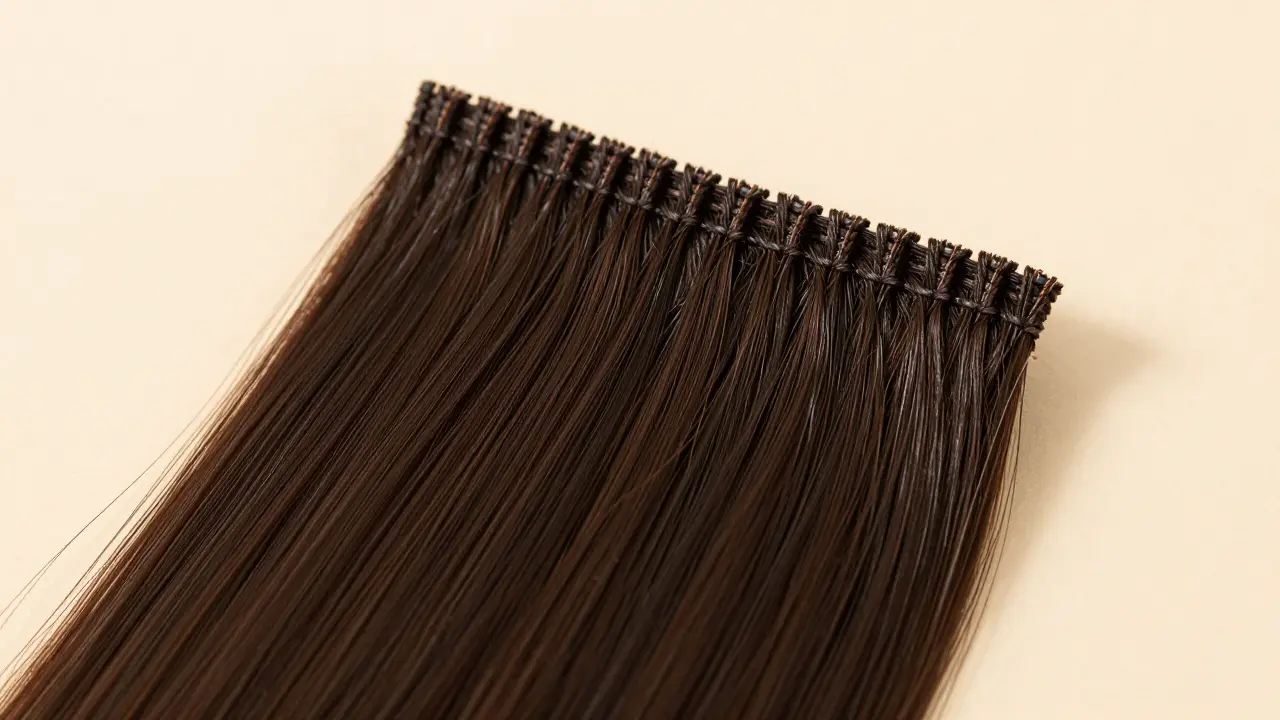
Weft extensions are essentially strips of hair that have been sewn together along one edge to create a flat band. Think of them like a zipper track or a strip of fabric. This construction allows stylists to attach large amounts of hair quickly and securely, making them a favorite among professionals for both temporary events and semi-permanent installations. But not all wefts are created equal. The quality of the hair, the type of attachment, and the maintenance required can vary wildly.
The Anatomy of a Weft: How It Works
To understand why wefts are so popular, you need to look at their structure. A Weft is a strip of hair where individual strands are sewn or glued together along a single base line. This base line is crucial because it distributes the weight of the hair evenly across your natural scalp. Unlike loose bundles of hair that can slip or slide, a weft stays put because of this reinforced edge.
There are generally two main categories of wefts based on how they are constructed: hand-tied and machine-sewn. Hand-tied wefts are crafted by artisans who stitch each strand individually. This process is labor-intensive but results in a thinner, lighter, and more flexible band. Because the base is so fine, these wefts lay flatter against the head, making them nearly invisible under short hair. Machine-sewn wefts, on the other hand, use automated machinery to stitch the hair. They are thicker, heavier, and more durable, often used for methods that require robust anchoring, like sew-ins.
The material matters just as much as the construction. High-quality wefts are made from 100% human hair, which can be styled, colored, and treated just like your own. Synthetic wefts exist but are limited in heat tolerance and styling options. When shopping, always check if the hair is "Remy" quality. Remy hair means the cuticles are intact and aligned in the same direction, preventing tangling and matting-a common issue with lower-grade extensions.
Types of Weft Applications: Which One Is Right for You?
Knowing what a weft is only gets you halfway there. The real decision comes down to how those wefts get attached to your head. Different lifestyles call for different installation methods. Here is a breakdown of the most common ways wefts are applied.
| Method | Attachment Style | Durability | Best For |
|---|---|---|---|
| Sew-In (Track) | Sewn onto braided cornrows | 6-8 weeks | Long-term wear, protective styling |
| Tape-In | Adhesive tabs sandwiched between natural hair | 4-6 weeks | Fine hair, quick application, invisibility |
| Halo/Circular | Clear wire hidden under top layer of hair | Temporary (daily) | Special occasions, no damage risk |
| Clip-In | Small clips sewn into weft strips | Temporary (daily) | Occasional use, DIY application |
| Micro-Bead/Loop | Wefts attached via small silicone beads | 6-8 weeks | Medium to thick hair, adjustability |
Sew-In Wefts, also known as tracks, are the gold standard for durability. Your stylist will braid your natural hair into cornrows and then sew the wefts directly onto those braids using a needle and thread. This method protects your natural hair from environmental damage and allows for versatile styling. However, it requires professional installation and removal, and keeping the scalp clean can be challenging if the braids are too tight.
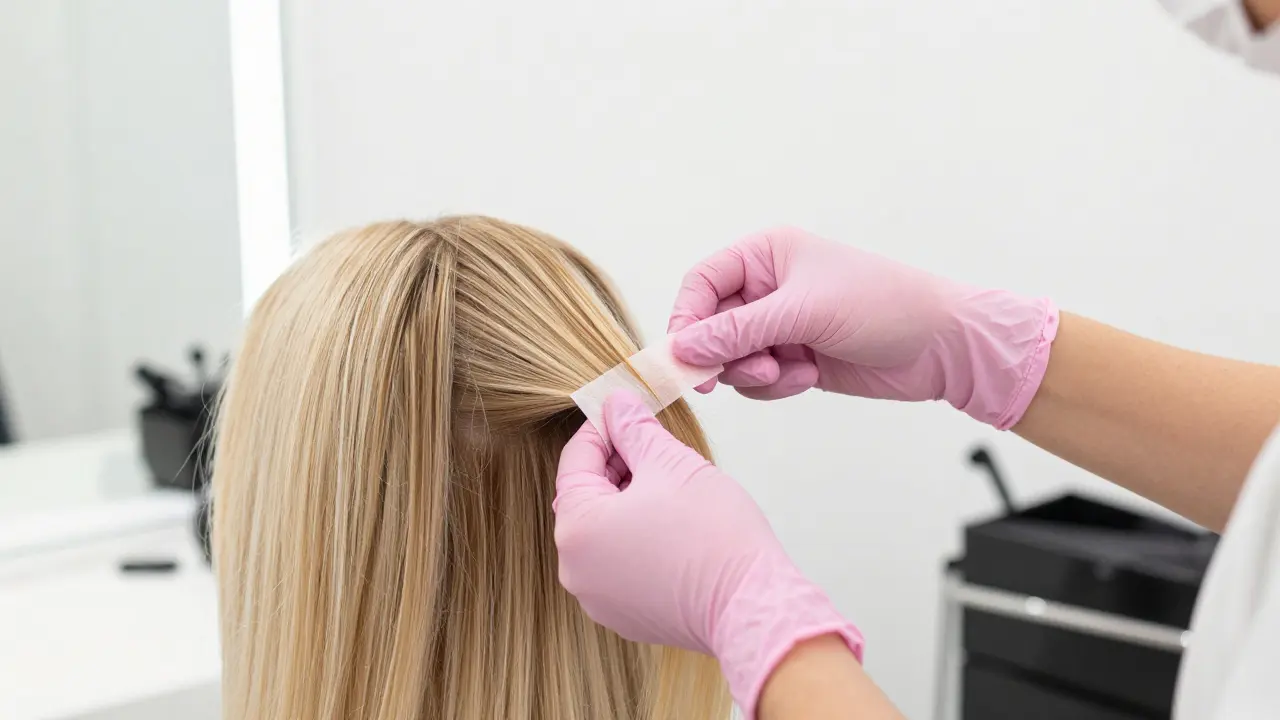
Tape-In Wefts offer a sleeker profile. These are thin strips of hair with medical-grade adhesive on one side. The stylist sandwiches a small section of your natural hair between two tape-in wefts. They are lightweight and lie very flat, making them ideal for people with finer hair who worry about bulk. The downside? Adhesive buildup. You need to use alcohol-free shampoos and have them repositioned every few weeks as your hair grows out.
For those who want zero commitment, Halo Wefts are a game-changer. A halo weft is a continuous loop of hair threaded onto a clear, adjustable wire. You simply place it over your head like a crown, hiding the wire under the top layer of your natural hair. There is no glue, no sewing, and no damage. It’s perfect for weddings or photoshoots, though it can feel bulky if you have very short hair.
Quality Matters: Identifying High-Quality Wefts
Not all hair extensions are created equal. In the world of wefts, the difference between a cheap product and a high-end one is night and day. Low-quality wefts can tangle, shed excessively, and even cause allergic reactions due to harsh chemicals used in processing. So, how do you spot the good stuff?
First, look for the term "Virgin Hair." Virgin hair has never been chemically processed, dyed, or permed. It retains its natural strength and shine. While expensive, it lasts longer and blends seamlessly with your natural texture. If a vendor claims the hair is "double drawn," it means the shorter hairs have been removed, leaving only lengths of uniform thickness. This reduces bulk at the roots and makes blending easier.
Second, check the density. Density refers to how much hair is packed into each inch of the weft. A higher density means more volume but also more weight. If you have fine hair, a high-density weft might pull on your roots and cause breakage. Aim for a medium density unless you are going for a dramatic, heavy look. Always ask for samples before committing to a full set.
Third, examine the closure. For hand-tied wefts, the stitching should be neat and tight, with no loose threads. For machine-made wefts, the base should be sturdy but not overly thick. A poor closure leads to shedding-the enemy of any extension wearer. Run your fingers through the weft gently; if significant amounts of hair come out, walk away.
Pros and Cons of Weft Extensions
Like any beauty treatment, weft extensions come with trade-offs. Understanding these helps you decide if they fit your routine.
The Pros:
- Versatility: You can curl, straighten, and color high-quality human hair wefts just like your own.
- Volume and Length: Instant transformation. Add inches of length or double your volume in a single session.
- Protective Potential: Methods like sew-ins protect your natural hair from daily manipulation and heat styling.
- Customization: Wefts can be cut, layered, and blended to match your exact haircut.
The Cons:
- Maintenance Cost: Semi-permanent wefts require regular salon visits for adjustment and cleaning.
- Weight: Heavy wefts can strain your natural hair, leading to traction alopecia if installed incorrectly.
- Cleaning Difficulty: Washing hair with sew-ins or tape-ins requires technique to avoid matting and adhesive residue.
- Initial Investment: High-quality virgin hair wefts are pricey, often ranging from $200 to $500+ depending on length and density.
Caring for Your Weft Extensions
If you invest in high-quality wefts, proper care is non-negotiable. Neglecting them can turn a beautiful addition into a tangled mess within weeks. Here is a simple routine to keep them looking fresh.
Start with washing. Use sulfate-free shampoos and conditioners. Sulfates strip natural oils, leaving both your natural hair and the extensions dry and brittle. Focus the shampoo on your scalp, letting the suds run down the length of the extensions rather than scrubbing the wefts directly. This prevents tangling. Condition from mid-length to ends, avoiding the roots or adhesive areas to prevent slippage.
Drying is another critical step. Never sleep with wet hair. Tangles form quickly when hair is damp and friction occurs against pillows. Gently blot excess water with a microfiber towel-never rub. Then, detangle with a wide-tooth comb or a specialized extension brush, starting from the ends and working your way up to the roots. Apply a leave-in conditioner or heat protectant spray before using any hot tools.
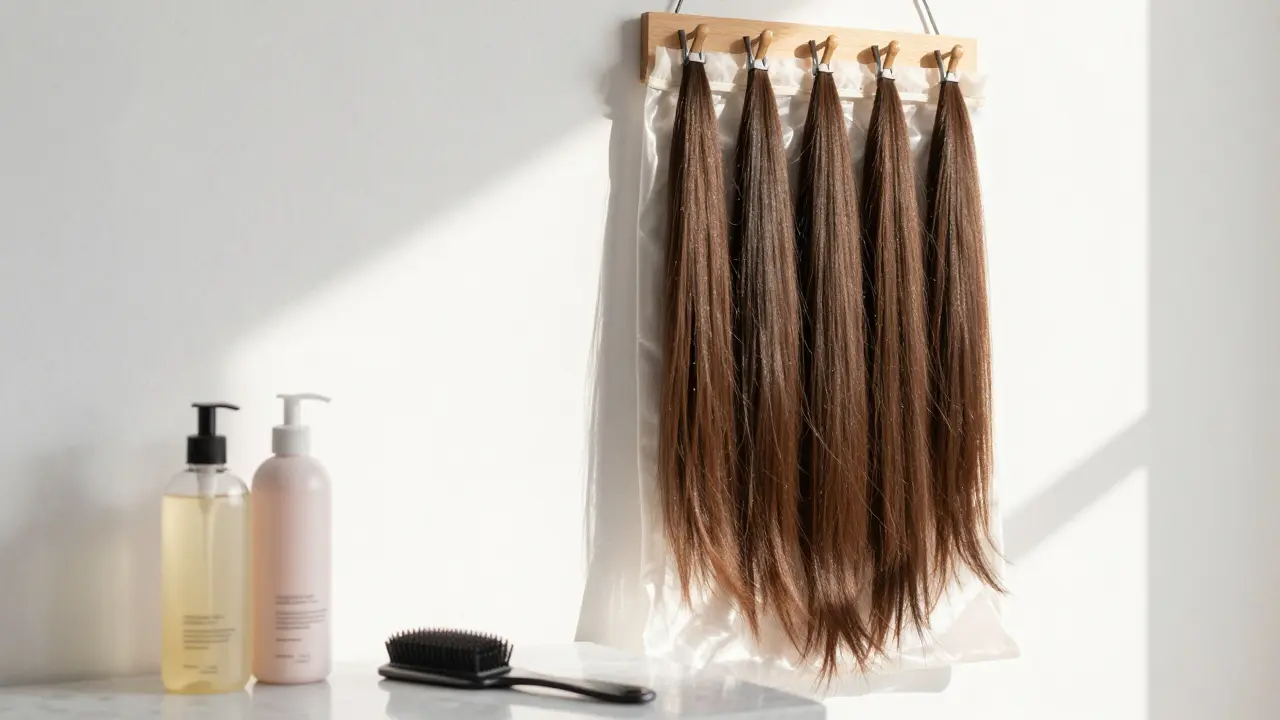
For storage, if you use clip-in or halo wefts, store them hanging or laid flat in a silk bag. Silk reduces friction compared to cotton, minimizing frizz and tangling. Avoid storing them in plastic bags, which can trap moisture and lead to mildew or odor.
Common Mistakes to Avoid
Even with the best products, mistakes happen. Here are three pitfalls that ruin extensions faster than anything else.
First, ignoring the weight. Many beginners think more hair equals better results. But if your natural hair is fine or thin, heavy wefts will drag on your follicles. Over time, this causes breakage and thinning. Always consult with a professional stylist to determine the appropriate weight for your hair type.
Second, sleeping without protection. Friction is the enemy. Even with careful brushing, tossing and turning at night creates knots. Tie your hair in a loose braid or ponytail before bed, and consider using a silk pillowcase. This simple change can extend the life of your wefts by months.
Third, using oil-based products near the attachment points. Oils dissolve adhesives used in tape-ins and micro-beads. If you use hair oils or serums, apply them strictly to the mid-lengths and ends, keeping them away from the roots or bonds. This ensures the extensions stay secure and don’t slip prematurely.
When to Remove Weft Extensions
Knowing when to take them off is just as important as knowing how to install them. Leaving semi-permanent wefts in for too long can lead to matting, where your natural hair knots around the weft base. This can result in painful removal and significant hair loss.
Generally, sew-ins should be removed after 6-8 weeks. Tape-ins need repositioning every 4-6 weeks. If you notice itching, redness, or excessive shedding, remove them immediately. These are signs of irritation or tension. Professional removal is highly recommended, especially for bonded methods, to minimize damage to your natural hair.
After removal, give your hair a break. Let your natural hair recover for at least a few weeks before reinstalling new extensions. During this time, focus on deep conditioning treatments and gentle styling to restore strength and elasticity.
Do weft hair extensions damage natural hair?
Weft extensions themselves do not damage hair, but improper installation or maintenance can. Issues like traction alopecia arise from excessive weight or tight braiding during sew-ins. To prevent damage, ensure a qualified stylist installs them, choose appropriate weight for your hair type, and follow a strict care routine including gentle detangling and timely removal.
How long do weft hair extensions last?
The lifespan depends on the type and quality. High-quality virgin human hair wefts can last 6-12 months with proper care. Temporary methods like clip-ins or halos can last indefinitely if stored correctly. Semi-permanent methods like tape-ins or sew-ins typically need replacement or reinstallation every 4-8 weeks due to natural hair growth and adhesive breakdown.
Can I wash my hair with weft extensions?
Yes, but technique matters. Use sulfate-free shampoo and focus cleansing on the scalp. Let the suds rinse down the extensions rather than scrubbing them directly. Condition from mid-length to ends, avoiding the roots or bonds. Dry thoroughly and detangle gently with a wide-tooth comb to prevent matting.
Are hand-tied wefts better than machine-sewn?
Hand-tied wefts are generally considered superior for comfort and invisibility. They are thinner and lighter, laying flatter against the head, which makes them ideal for fine hair or short styles. Machine-sewn wefts are thicker and more durable, often preferred for heavy-duty applications like sew-ins where strength is prioritized over sleekness.
How much do high-quality weft extensions cost?
Prices vary widely based on hair type, length, and density. Expect to pay between $200 and $500 for a full set of high-quality virgin human hair wefts. Installation costs add another $100 to $300 depending on the method (e.g., sew-in vs. tape-in). Regular maintenance appointments may cost an additional $50 to $100 per visit.

Lisa Nally
June 16, 2026 AT 22:05Let us be absolutely clear about the distinction between hand-tied and machine-sewn wefts, as this is where most consumers are fundamentally misled by marketing jargon. Hand-tied wefts utilize a monofilament base that allows for superior movement and a significantly lighter profile against the scalp, which is critical for preventing traction alopecia in clients with finer hair textures. Machine-sewn wefts, while more cost-effective to produce, often result in a thicker, less flexible band that can create visible bulk under shorter hairstyles or fine hair layers. The integrity of the cuticle alignment in Remy hair is non-negotiable; if the cuticles are not intact and aligned in a single direction, you will experience irreversible tangling and matting within weeks of installation. Furthermore, the density of the weft must be meticulously matched to the client's natural hair density to avoid excessive weight distribution on the follicles. Ignoring these technical specifications leads to premature shedding and potential damage to the natural hair shaft. It is imperative that stylists perform a thorough consultation to assess the structural integrity of the natural hair before recommending any semi-permanent attachment method.
Edward Gilbreath
June 17, 2026 AT 17:00they dont tell you about the chemicals in the adhesive used for tape ins its basically industrial glue designed to hold heavy machinery together not human hair i have seen too many people end up with bald spots because they trust these big beauty corporations who care more about profits than your health just let your hair grow naturally it is safer
Oskar Falkenberg
June 19, 2026 AT 00:40i totally get what you are saying about the weight issue and honestly i think a lot of people just rush into getting extensions without really thinking about how their own hair can handle it i had a friend who tried clip ins once and she was so excited but then she realized that even those temporary ones were pulling at her roots because she picked ones that were way too thick for her fine hair so yeah choosing the right density is super important and maybe talking to someone who knows what they are doing before spending all that money would save a lot of headache later on down the line
Caitlin Donehue
June 19, 2026 AT 17:48I've been wearing halo extensions for three years now and I find them surprisingly comfortable for daily wear despite the initial learning curve. The key is finding the right wire tension so it doesn't slide around during the day. I usually tuck my top layer of hair carefully over the wire to ensure it remains completely invisible from all angles. It’s definitely not suitable for very short haircuts but for medium length hair it provides great volume without any chemical adhesives or sewing involved. I just make sure to brush them out gently every morning to prevent any knots from forming near the wire connection point.
Stephanie Frank
June 20, 2026 AT 07:23honestly this whole guide is just basic stuff anyone could figure out if they actually paid attention instead of relying on influencers to do their thinking for them like why do people still buy synthetic hair when it looks like plastic and feels like straw it is embarrassing to see adults wasting money on low quality products that shed everywhere after one wash you should probably stick to coloring your own hair if you cannot afford proper maintenance
Patrick Dorion
June 22, 2026 AT 05:10The philosophical implication of altering one's natural appearance through external additions is quite fascinating when you consider the concept of identity and authenticity. We often seek to enhance our physical form to align with societal standards of beauty, yet we must ask ourselves if this enhancement truly reflects our inner self or merely a projected image. In the context of weft extensions, the temporary nature of methods like clip-ins or halos offers a unique opportunity to explore different identities without permanent commitment. This transient relationship with our appearance can be liberating, allowing us to experiment with volume and length while maintaining the integrity of our natural hair. However, one must remain mindful of the balance between enhancement and alteration, ensuring that the desire for change does not stem from insecurity but rather from a place of creative expression and self-care.
Marissa Haque
June 23, 2026 AT 15:52Oh my gosh!! I am literally obsessed with the idea of tape-ins!!! They sound like the absolute dream come true for someone like me who has super fine hair and wants that extra oomph without looking bulky!! I have always been scared of sew-ins because the thought of cornrows makes me shiver!! But tape-ins seem so sleek and undetectable!! Does anyone know if they really stay put during workouts?? I need something secure!!
Keith Barker
June 25, 2026 AT 03:33the pursuit of perfection in hair texture reveals much about our collective obsession with control over the uncontrollable aspects of nature we try to tame the wildness of growth and shedding through artificial means yet the result is often a fragile illusion that requires constant vigilance and care perhaps there is wisdom in accepting the natural rhythm of hair loss and regrowth rather than fighting it with heavy wefts and strong adhesives
Lisa Puster
June 25, 2026 AT 03:52it is pathetic how people outside the US think they understand hair care trends when clearly american salons set the global standard for quality and technique if you want real virgin hair you need to look at domestic suppliers who follow strict regulations foreign hair is often processed with harsh chemicals that ruin the cuticle structure so stop buying cheap imports and support local businesses that know what they are doing
Joe Walters
June 25, 2026 AT 22:18i mean obviously you need to spend big bucks for good hair cause cheap stuff is trash and everyone knows that i got mine done last month and it took forever but worth it to look expensive and fancy dont bother with anything under five hundred dollars unless you want to look like you went to a discount bin store
Robert Barakat
June 26, 2026 AT 16:24The act of adding extensions is a ritual of transformation that transcends mere aesthetics. It represents a desire to expand one's presence in the world, to occupy more space visually and metaphorically. When we add length and volume, we are not just changing our hair; we are altering how others perceive our energy and vitality. This silent communication through appearance is powerful and should not be underestimated. The careful selection of weft type becomes a meditation on what kind of presence we wish to project.
Michael Richards
June 28, 2026 AT 15:31You are making a huge mistake if you ignore the importance of professional installation. Most people try to DIY tape-ins and end up with slippage and damage because they lack the proper training and tools. Do not risk ruining your natural hair by attempting complex installations at home. Hire a certified specialist who understands tension distribution and adhesive chemistry. Your hair health is not worth compromising for a few saved dollars.
Laura Davis
June 28, 2026 AT 19:36Hey everyone! Let's keep this conversation positive and supportive! If you are considering extensions, remember that taking care of your natural hair first is crucial! Please consult with a professional stylist who can guide you towards the best option for your specific hair type and lifestyle! You deserve to feel confident and beautiful without damaging your precious strands! Stay hydrated and treat your hair with love!
kimberly de Bruin
June 30, 2026 AT 13:04hair is just protein fibers growing from follicles and trying to control them with external attachments is a futile exercise in vanity we accept the chaos of natural growth patterns and find peace in the impermanence of beauty rather than chasing an unattainable ideal of perfection through costly and time consuming maintenance routines