

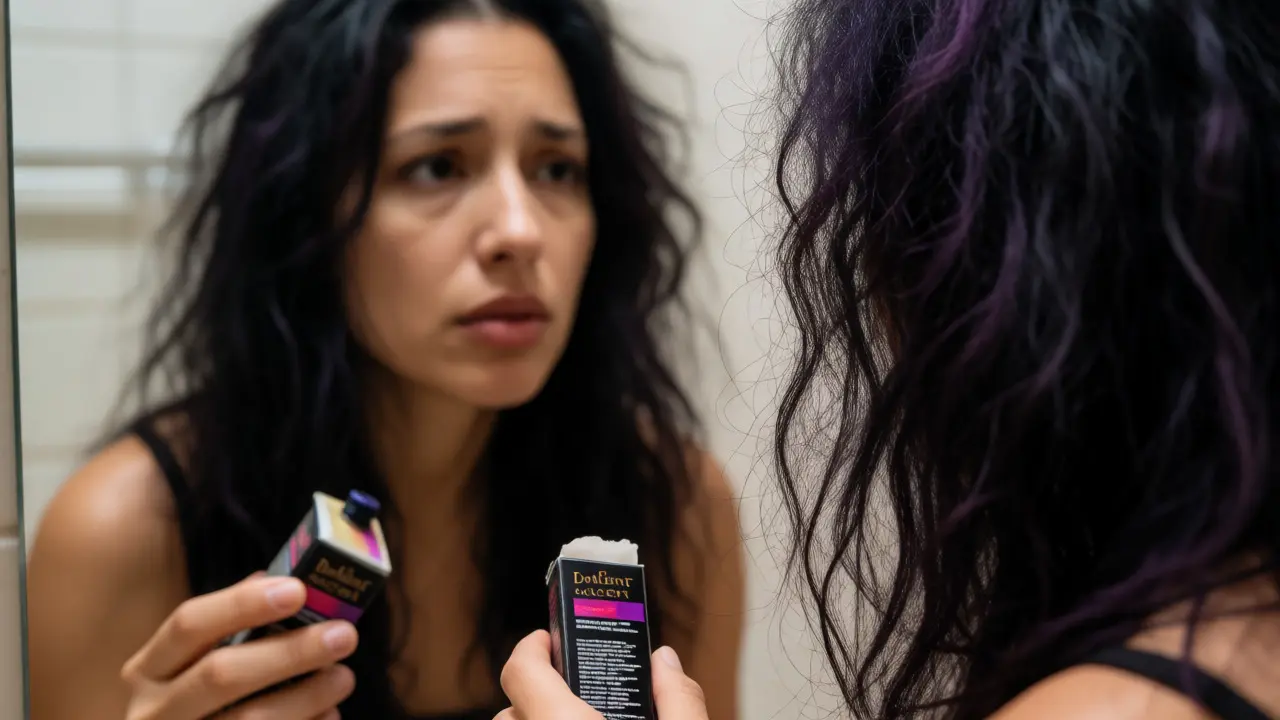
You just finished coloring your hair, looked in the mirror, and felt that sinking feeling. Maybe it’s too dark, maybe it’s patchy, or maybe you just don’t like the shade. Your first instinct is to grab another box of permanent hair dye and fix it right now. But can you actually do that? The short answer is usually no, not if you want healthy hair.
Applying the same oxidative hair color twice in seven days is a recipe for disaster. It exposes your scalp to harsh chemicals again before they’ve settled and stresses the hair shaft unnecessarily. Most manufacturers, including Garnier and Wella, recommend waiting at least four weeks between permanent color applications. If you rush it, you risk dryness, breakage, and even allergic reactions. Let’s look at why this rule exists and what you should do instead when you’re unhappy with your color.
Why Waiting Is Non-Negotiable for Permanent Color
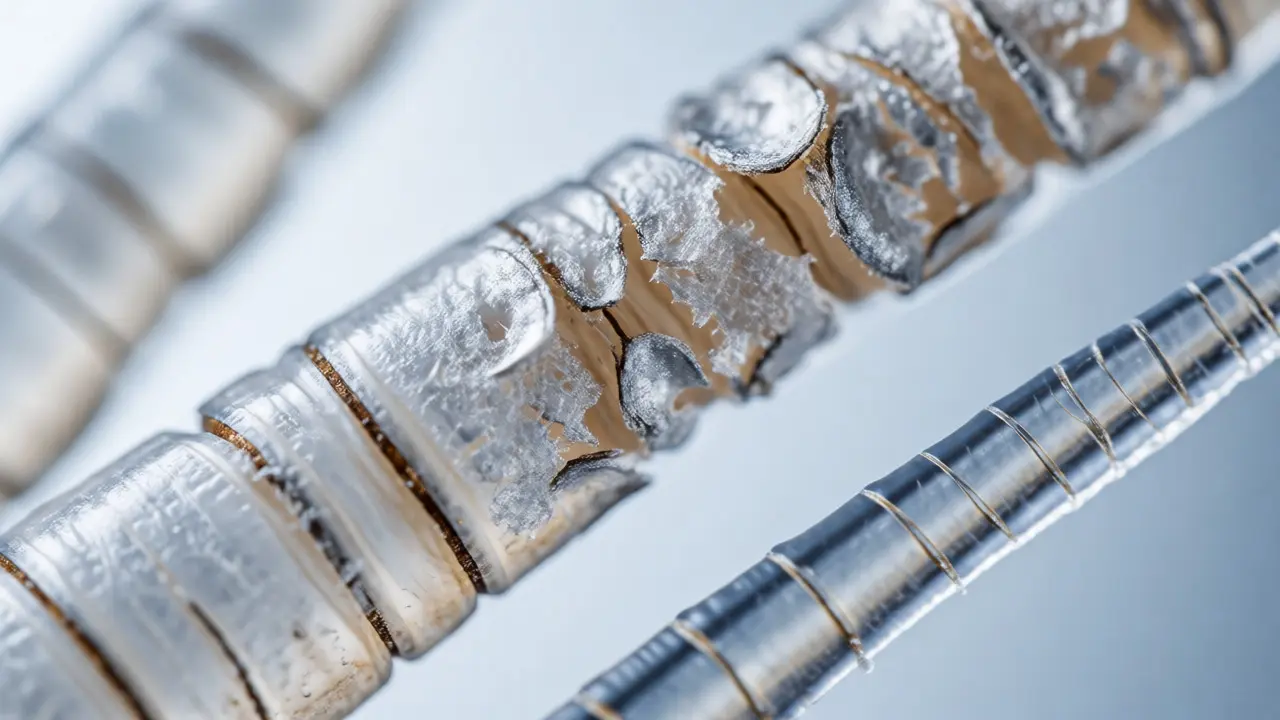
Permanent hair dye isn’t just paint; it’s a chemical process. It uses an oxidative developer, often containing ammonia or peroxide, to open up the cuticle-the outer layer of your hair-and deposit pigment inside the cortex. This process lifts the natural melanin and replaces it with artificial color.
When you apply dye a second time within a week, you aren’t just adding more color. You are re-opening a cuticle that has barely had time to close and heal. This repeated stress strips away natural oils and proteins. A 2016 technical investigation found that repeated oxidative cycles cause cracks larger than 100 nanometers in the hair structure. Another study in 2025 noted progressive cuticle lifting and softening. Basically, your hair becomes brittle and prone to snapping.
| Dye Type | Manufacturer Recommendation | Risk of Re-dyeing in 1 Week |
|---|---|---|
| Permanent Dye | 4-6 weeks (Garnier, Wella) | High: Breakage, scalp irritation |
| Bleach/Lightener | 6+ weeks | Very High: Severe damage, gummy texture |
| Semi-Permanent | Varies by brand | Low to Moderate: Dryness, uneven tone |
The Allergy Factor: Why Time Matters
There’s a hidden danger in rushing back to the bottle: sensitization. You might have used a specific brand of dye for years without issue. That doesn’t mean you won’t react the next time. The FDA warns that people can develop allergies to ingredients like PPD (paraphenylenediamine) after repeated exposure. Symptoms can take up to 72 hours to appear.
If you dye your hair on Monday and experience mild itching on Tuesday, applying dye again on Friday could trigger a much stronger reaction. Your immune system may be primed to attack the allergen. Always perform a skin test 48 hours before any application, especially if you’ve recently colored your hair. If you notice redness, swelling, or burning after the first round, stop. Do not try to "fix" the color with more chemicals while your scalp is inflamed.
What If It’s Semi-Permanent or Direct Deposit?
This is where things get a bit more flexible. Semi-permanent dye and direct-deposit colors don’t use developers. They coat the outside of the hair shaft rather than penetrating deep into the cortex. Because they lack ammonia and peroxide, they are less damaging.
Can you reapply them in a week? Sometimes, yes. If the instructions explicitly allow it and your hair feels strong, you might be able to refresh the tone. However, "less damaging" doesn’t mean "risk-free." Repeated washing and rubbing during the application process can still cause friction damage. Plus, porous hair absorbs these dyes aggressively. Applying a second coat of a vibrant blue or purple dye over a fresh application can result in a muddy, overly dark mess. Always do a strand test first.
Did You Bleach First? Stop Right There
If your first step involved bleach, highlights, or a relaxer, forget about re-dyeing in a week. Bleach removes pigment by breaking down the hair’s internal bonds. It leaves the hair highly porous and fragile. The FDA specifically advises waiting at least 14 days after bleaching, relaxing, or perming before using hair dye.
Adding permanent dye to freshly bleached hair within seven days is asking for trouble. The hair lacks the structural integrity to hold the new color evenly, leading to rapid fading or weird greenish tints. More importantly, the combination of residual bleach effects and new oxidative dye can turn your hair into straw. If you must change the tone, consider a gentle toner or gloss, but avoid full permanent processing.

Better Ways to Fix a Bad Color Job
So, you hate the result, but you can’t dye again yet. What do you do? Don’t panic. Here are safer alternatives to reach for:
- Wash It Out: For semi-permanent colors, frequent washing with a clarifying shampoo can lift some pigment. Warm water opens the cuticle slightly, helping fade the color faster.
- Use a Color-Depositing Conditioner: These products add temporary pigment without chemicals. If your blonde turned brassy, a purple conditioner can neutralize the yellow tones safely.
- Wait for Roots: If the issue is only at the roots, wait until the recommended interval passes. Then, apply dye only to the new growth, pulling it through the lengths for just the last few minutes. This minimizes overlap and damage.
- Professional Correction: If the color is drastically wrong-like black turning orange-see a stylist. They have specialized color removers that shrink dye molecules so they can be washed out, which is far gentler than bleaching or re-dyeing.
Signs You Should Absolutely Not Re-Dye
Your hair will tell you if it’s had enough. Before even thinking about a second application, check for these warning signs:
- Elasticity Loss: Wet hair stretches like gum and doesn’t bounce back? It’s compromised.
- Scalp Pain: Any tenderness, bumps, or rash means the barrier is broken.
- Excessive Shedding: If clumps come out in the shower, the follicles are stressed.
- Porosity Issues: If your hair drinks up water instantly and feels rough, it’s too porous to handle more chemicals.
Remember, hair is dead tissue. You cannot repair it permanently, only manage its condition. Adding more stress accelerates the breakdown. Patience is your best tool here. Four weeks seems long, but it’s the difference between a glossy mane and a damaged one.
How long should I wait to dye my hair after bleaching?
The FDA recommends waiting at least 14 days after bleaching before applying permanent hair dye. Many professionals suggest waiting 4 to 6 weeks to ensure the hair has recovered enough strength to withstand the oxidative process without breaking.
Can I use semi-permanent dye immediately after permanent dye?
It is generally safe to use semi-permanent dye shortly after permanent dye because it does not contain ammonia or peroxide. However, wait at least 48 hours to let the cuticle settle. Always do a strand test, as porous hair may absorb the semi-permanent pigment unevenly or too deeply.
What happens if I dye my hair twice in one week?
You risk cumulative chemical damage, including dryness, brittleness, split ends, and breakage. There is also a higher chance of developing an allergic reaction or contact dermatitis on the scalp. The color may also turn out darker or muddier than intended due to excessive pigment buildup.
Is it safe to touch up roots sooner than 4 weeks?
Touching up roots alone is less damaging than a full-head application because you avoid overlapping dye on already processed lengths. Some people successfully touch up roots every 3 weeks. Just ensure you apply dye strictly to the new growth and minimize contact with previously dyed hair.
Does the brand of hair dye matter for wait times?
Yes. Always read the specific leaflet included in the box. While most major brands like Garnier, L'Oréal, and Wella advise a 4-week minimum for permanent color, some professional lines or gentler formulas may have different guidelines. Manufacturer instructions take precedence over general advice.

Ian Mason-Laurence
October 30, 2026 AT 04:36The article is technically sound but lacks nuance regarding professional-grade products versus drugstore box dyes. While the FDA guidelines are correct for consumer safety, professional colorists often utilize bond builders like Olaplex or K18 which can mitigate some oxidative stress, allowing for shorter intervals in specific corrective scenarios. However, for the average consumer using ammonia-based kits, the four-week rule remains the gold standard to prevent cumulative protein loss and cuticle degradation.
Tommy Cahyadi
October 31, 2026 AT 04:18Oh, absolutely. Because nothing says "healthy hair" like ignoring the chemical burn you just gave your scalp and hitting it with more chemicals two days later. We all know that feeling of regret, right? Just slap another box on there and hope for the best. That’s usually how we end up with straw-like strands by the weekend. Good luck with that strategy.
Lauren Martin
October 31, 2026 AT 13:24This is basic cosmetic chemistry 101. If you don't understand the pH balance of the developer or the molecular weight of the pigment, you shouldn't be touching permanent dye at all. The fact that people think they can just layer oxidative processes without considering the porosity gradient along the hair shaft is frankly embarrassing. You are not an artist; you are a liability to your own follicles. Read the label. Wait four weeks. Stop being lazy about self-care.
Anthony .
November 1, 2026 AT 14:48I appreciate the balanced perspective here! 🌿 It's so easy to panic when the color isn't perfect, but patience really is key. I've learned that sometimes waiting allows the color to oxidize fully and settle into a more natural shade anyway. Plus, giving your scalp a break helps maintain that healthy barrier function. Let's support each other in making gentle choices for our bodies! 💚✨
Marisa Marroquin
November 2, 2026 AT 17:59The prose flows with a certain clinical detachment that fails to capture the visceral horror of realizing one has accidentally turned their locks into a brittle, straw-colored disaster zone mere hours after application. One must consider the existential dread of standing before the mirror, witnessing the irreversible consequences of impatience. It is a tragedy of modern vanity, really, where the desire for immediate gratification overrides the biological imperative for cellular recovery.
Shaina Silver-Baird
November 3, 2026 AT 23:11It is crucial to note that the manufacturers' recommendations are not merely suggestions but are derived from extensive toxicological data. Furthermore, one must consider the possibility that the "allergy factor" mentioned is understated. Many individuals do not realize that sensitization can occur silently over years, only to manifest acutely upon re-exposure. Therefore, the strict adherence to the four-week interval is not just about hair health, but about preventing systemic immune responses that could potentially escalate into severe dermatitis. Always verify ingredients independently.
Mithilesh Singh
November 4, 2026 AT 12:51In India, we have used henna and natural oils for centuries without these harsh chemicals. These Western brands put too many toxins in their products and then tell you to wait four weeks because their product is bad!!! You should use natural remedies instead of poisoning your body with ammonia and peroxide. Our ancestors knew better than to destroy their hair with such strong chemicals. Respect tradition and stop buying these fake products!!!
Ejike Ugwu
November 5, 2026 AT 12:31Man, I swear these companies make the dye fade fast on purpose so you buy more... And if you dye again soon, they say it damages your hair, but maybe that's just an excuse so you pay for salon treatments? I feel like my scalp gets itchy every time I touch this stuff, even when I follow the rules. Maybe the PPD is messing with our nervous systems? I'm starting to think the whole beauty industry is designed to keep us sick and dependent on their products. Don't trust the labels blindly!
Kieran Mitchell
November 6, 2026 AT 11:10Listen here!! If you are American, you know we value efficiency!!! But also, we value looking good!!! So why wait four weeks??? In America, we fix things NOW!!! If your hair looks bad, you fix it!!! You don't wait around like some European who has nothing else to do!!! Use the strongest bleach you can find and get it done!!! We are tough!!! We don't need four weeks!!! We need results!!! This article is weak!!! Get a grip!!!
Darlene Hopkins
November 7, 2026 AT 01:22I hear you. It’s hard when expectations don’t match reality. Take care of yourself first.
Kathleen Johnson
November 7, 2026 AT 20:38While the advice is generally accurate, it feels somewhat derivative of countless other articles on this topic. The mention of Garnier and Wella is standard fare. I suppose the inclusion of the 2016 and 2025 studies adds a veneer of academic rigor, though the practical implications remain unchanged. It is adequate information, presented without much flair or unique insight. One might argue that the distinction between semi-permanent and permanent damage levels is oversimplified, as individual hair history plays a massive role that generic timelines ignore.
jyotshna Senapati
November 9, 2026 AT 10:42Oh honey, I did this once and cried for three days straight!!! My roots were orange and my ends were purple and I looked like a clown!!! I didn't wait the full week, I thought I was special!!! I wasn't!!! Now I always go to the salon because I am too dramatic to handle the fallout myself!!! You have to be careful, the drama is real!!! Don't let your ego write checks your hair can't cash!!!
Sean Eagen
November 10, 2026 AT 03:06Wait 4 weeks. Or ruin ur hair. Simple.
evelyn starcher
November 11, 2026 AT 14:29My heart breaks for anyone rushing this process 😢. The pain of a bad dye job is so real and emotional. But please, listen to your body! Your scalp is sensitive right now. Adding more chemicals is like adding insult to injury. We need to protect our national pride by having beautiful, healthy hair, not damaged tresses. Please be kind to yourselves. 🇺🇸💖
Kathy Mccoy
November 11, 2026 AT 23:45You’ve got this! Remember, healthy hair is a journey, not a sprint. Give your strands some love and rest. You’re doing great just by asking the question!