
Have you ever stared at an eyebrow wax pen, wondering if using it violates your faith?
You are not alone. This question pops up constantly among Muslim women who want to look their best while staying true to their religious obligations. The short answer is yes, eyebrow waxing is generally considered halal (permissible) and even recommended for women in Islam. However, the details matter. You need to understand the difference between natural grooming and changing your creation, which is where things get tricky.
This guide breaks down the Islamic rulings on hair removal, specifically focusing on eyebrows, so you can use your waxing tools with peace of mind.
The Core Islamic Principle: Fitrah and Cleanliness
To understand why eyebrow grooming is allowed, we first need to look at the concept of Fitrah. In Islamic theology, Fitrah refers to the natural state of human beings. Allah created us in a specific way, and maintaining that natural state through cleanliness is part of our worship.
The Prophet Muhammad (peace be upon him) emphasized personal hygiene repeatedly. He said, "Cleanliness is half of faith." This isn't just about washing hands before prayer; it extends to how we care for our bodies. Removing unwanted hair from areas like the armpits and pubic region is classified as Sunnah (the practice of the Prophet). Since these actions are encouraged, removing other types of body hair that cause discomfort or appear unkempt falls under the same umbrella of self-care.
However, there is a boundary. Islam prohibits altering the creation of Allah in a way that causes harm or deception. This is where the distinction between grooming and changing your features becomes critical.
Eyebrows: Shaping vs. Changing Creation
Here is where many people get confused. There are hadiths (sayings of the Prophet) that mention cursing those who pluck eyebrows. But context is everything. Scholars have debated this for centuries, and the majority view today distinguishes between two actions:
- Shaping and Trimming: Removing stray hairs to define the natural shape of the eyebrow. This is seen as cleaning up the face and enhancing natural beauty. It is permissible.
- Thinning or Altering Shape: Drastically thinning the brows to create a new, unnatural shape (like very high arches or ultra-thin lines) that mimics non-Muslim trends or changes your facial structure significantly. This is often discouraged or considered haram because it involves 'taghyeer khalqillah' (changing Allah's creation).
So, when you pick up your eyebrow wax pen, ask yourself: Am I just cleaning up the mess around my natural brow, or am I trying to erase my brow entirely to look like someone else? If it’s the former, you are good to go. If it’s the latter, you might be crossing a line.
| Action | Ruling | Reasoning |
|---|---|---|
| Trimming stray hairs below the brow | Halal (Permissible) | Maintains cleanliness and natural appearance |
| Using an eyebrow wax pen for definition | Halal (Permissible) | Enhances natural shape without alteration |
| Thinning brows to change natural arch | Haram (Forbidden) | Alters Allah's creation/deception |
| Plucking unibrow completely | Halal (Recommended) | Part of Fitrah/cleanliness |
Why the Eyebrow Wax Pen is a Popular Choice
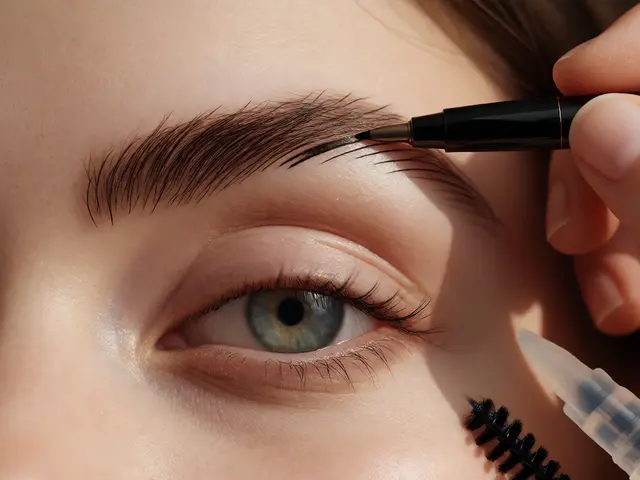
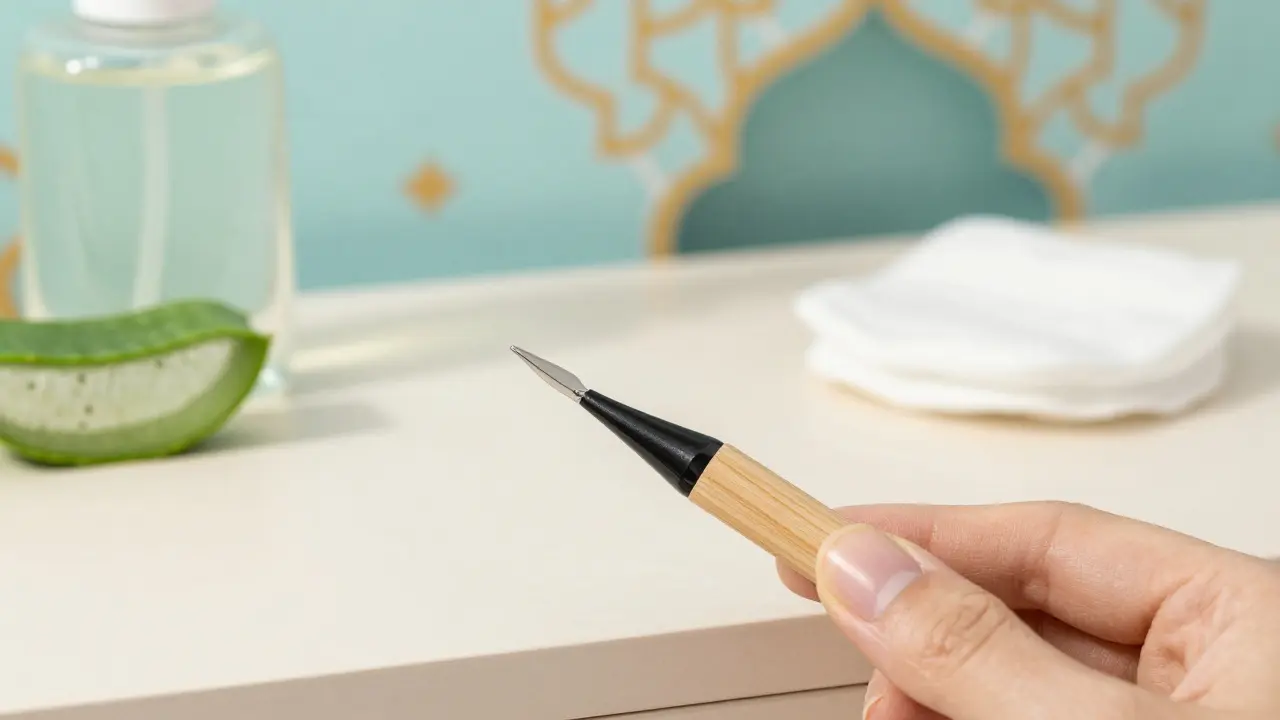
Let’s talk about the tool itself. The eyebrow wax pen has become a staple in modern grooming kits. Unlike traditional hot wax strips that can burn sensitive skin or require messy application, these pens offer precision. They are heated internally, allowing you to draw exactly where you want the wax to adhere.
From an Islamic perspective, the tool doesn’t change the ruling. Whether you use tweezers, thread, or a wax pen, the intention and the result matter most. However, the wax pen offers a benefit: it allows for subtle shaping. Because it’s easier to control than a strip, you are less likely to accidentally remove too much hair and alter your natural shape drastically. This makes it a safer choice for staying within the bounds of halal grooming.
Plus, let’s be honest-it’s faster. For busy moms or working professionals, spending ten minutes carefully plucking every single hair isn't always practical. A quick pass with a wax pen cleans up the area efficiently, respecting both your time and your faith.
Gender Differences in Hair Removal Rules
It is important to note that the rules differ slightly for men and women. For men, plucking eyebrows is generally considered haram because it is seen as imitating women, which is prohibited in Islam. Men are encouraged to keep their facial hair natural, including their eyebrows.
For women, however, grooming is part of beautification. The Quran mentions that Allah loves those who purify themselves. This purification includes physical cleanliness. Therefore, women are permitted to remove body hair that they find undesirable, provided they do not exaggerate or change their natural features to deceive others.
This distinction is crucial. If you are a man reading this, put down the wax pen. If you are a woman, you have the green light to groom, just stay mindful of moderation.
Scholarly Opinions and Modern Context
Different schools of thought (Madhabs) in Islam have nuanced views. The Hanafi and Shafi'i schools tend to be more lenient regarding cosmetic enhancements as long as they don't involve permanent alteration or harm. The Maliki and Hanbali schools may be stricter, emphasizing the prohibition against changing creation.
However, contemporary scholars like Sheikh Yusuf al-Qaradawi and others have clarified that minor adjustments for beauty are acceptable. The key word is "minor." If your eyebrow waxing routine leaves you looking like you still have your own eyebrows, just neater, you are following the Sunnah of cleanliness. If you end up with pencil-thin lines that require daily makeup to fill in, you are likely violating the spirit of the law.
Also, consider the method. Some scholars advise avoiding methods that cause excessive pain or damage to the skin, as harming oneself is also prohibited. Waxing can be painful, but it is temporary. As long as you use proper aftercare and don't damage your skin barrier, the method is acceptable.
Practical Tips for Halal Eyebrow Grooming
If you want to ensure your grooming routine stays halal, here are some practical steps:
- Start Natural: Look at your eyebrows without makeup. Identify the natural arch and tail. Only remove hairs that fall outside this natural frame.
- Avoid Over-Plucking: Resist the urge to make them thinner than they naturally grow. Trends come and go, but your natural shape is timeless and compliant.
- Use Precision Tools: An eyebrow wax pen allows you to target specific stray hairs rather than ripping off large sections. This reduces the risk of accidental over-correction.
- Check Your Intention: Are you doing this to feel clean and presentable? Or are you doing it because you feel pressured by social media standards that promote unnatural looks? Intentions matter in Islam.
- Consult Local Scholars: If you are unsure about specific practices in your community, ask a trusted local imam. Cultural interpretations can vary, and local guidance is valuable.
Common Misconceptions About Hair Removal
There is a lot of misinformation online. Let’s clear up a few myths:
Myth 1: All hair removal is haram.
This is false. Removing pubic hair and armpit hair is Sunnah. Removing facial hair for women is permissible if done moderately.
Myth 2: Using tools like wax pens is innovative (Bid'ah).
Tools are neutral. The sin lies in the action, not the device. Using a modern wax pen is no different in principle than using a razor or tweezers. It’s just more efficient.
Myth 3: You must never touch your eyebrows.
As discussed, cleaning up stray hairs is part of Fitrah. Leaving an unkempt unibrow or messy growth is not required by Islam. Cleanliness is preferred.
Conclusion: Balance Beauty and Faith
In summary, using an eyebrow wax pen is halal for women as long as you are shaping, not changing. The goal is to enhance your natural beauty, not replace it. Islam encourages modesty and cleanliness, and well-groomed eyebrows contribute to a neat appearance without compromising your values.
Remember, your worth is not defined by how thin your brows are. It is defined by your character, your faith, and your kindness. Use your grooming tools wisely, stay within the boundaries of natural enhancement, and feel confident in your choices.
Is it haram to pluck eyebrows in Islam?
For women, plucking stray hairs to shape eyebrows is generally considered halal (permissible) as it maintains cleanliness. However, drastically thinning or altering the natural shape is considered haram because it changes Allah's creation. For men, plucking eyebrows is haram as it is seen as imitating women.
Can I use an eyebrow wax pen if I am Muslim?
Yes, you can use an eyebrow wax pen. The tool itself is not forbidden. What matters is how you use it. If you use it to remove stray hairs and define your natural shape, it is halal. Avoid using it to create unnatural, overly thin shapes.
What is the difference between shaping and changing eyebrows?
Shaping means cleaning up stray hairs outside your natural brow line to make it look tidy. Changing means removing significant amounts of hair to alter the arch, thickness, or length of the brow to match fashion trends, which is considered altering Allah's creation.
Is threading eyebrows halal?
Yes, threading is halal for women if used for shaping and cleaning up stray hairs. Like waxing, it becomes problematic only if used to drastically alter the natural shape of the eyebrows.
Does the type of wax matter for halal status?
The method (wax, thread, tweezer) does not change the ruling. However, you should ensure the wax product itself is halal-certified if you are strict about ingredients, avoiding any animal-derived components that are not slaughtered according to Islamic law, though this is secondary to the act of grooming itself.