
You have the skills. You can fade a head like it’s nothing, and your scissor work is sharp. But if you’re looking at your bank account and wondering why the money isn’t matching the effort, you aren’t alone. The problem usually isn’t your cutting ability; it’s your sales strategy. Selling haircuts isn’t about being pushy or annoying. It’s about recognizing value and helping clients make better choices for their hair and lifestyle.
Many barbers and stylists treat sales as an afterthought. They wait for the client to ask what they want, cut it, and then say goodbye. This passive approach leaves money on the table every single day. When you shift your mindset from 'hair cutter' to 'hair consultant,' you start seeing opportunities where others see just a transaction. Let’s break down how to naturally increase your ticket size and build a loyal book of business without feeling like a used car salesman.
Master the Consultation Phase
The sale starts before you even pick up the clippers. Most professionals rush this part because they want to get to the cutting. That’s a mistake. The consultation is where you diagnose the client’s needs and establish trust. If you skip this, you’re guessing, and guessing rarely leads to high-value sales.
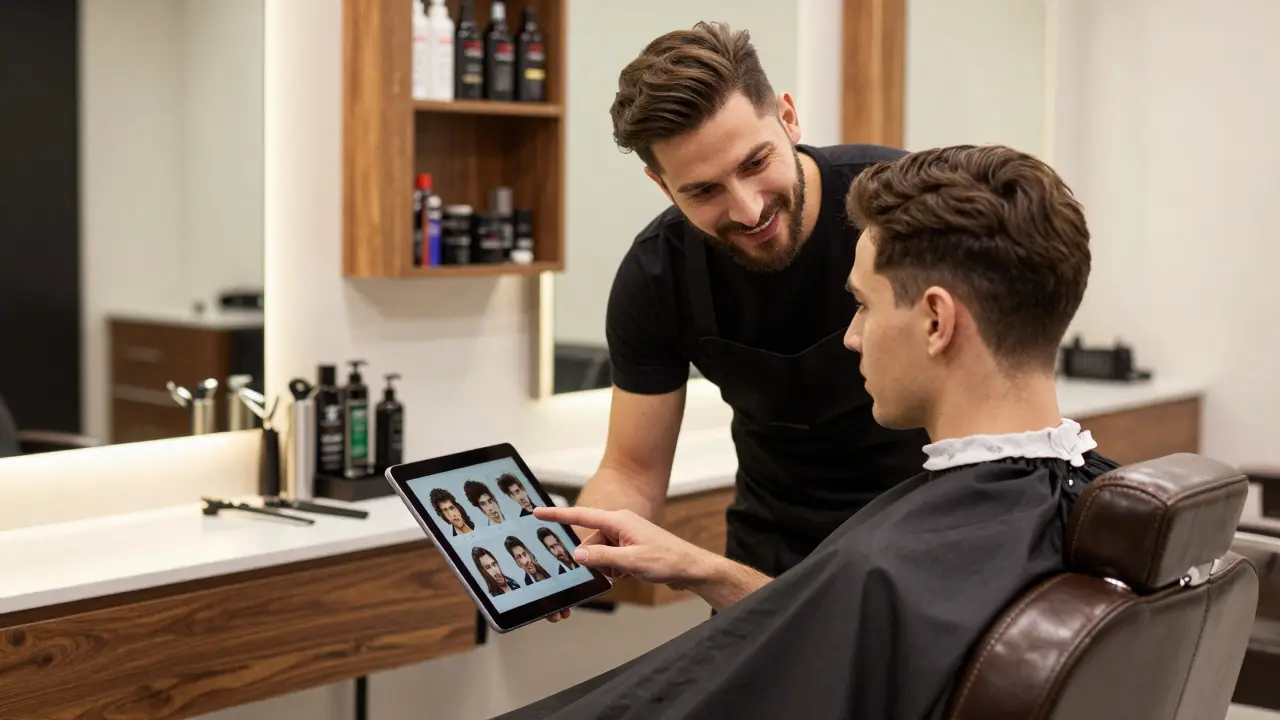
Use visual aids. Keep a tablet or a book with photos of different styles. Showing a client what a certain length looks like on someone with their hair texture builds confidence. It also opens the door to suggest add-ons. "This style looks great, but it requires some texture spray to keep it from looking flat. Would you like me to show you how to use it?" Now you’ve introduced a product sale naturally.
The Art of Upselling Services
Upselling is simply offering a complementary service that enhances the primary haircut. It shouldn’t feel forced. It should feel like advice from an expert who wants the best result for the client. The key is timing. Don’t pitch while you’re cutting. Wait until the service is complete, or during the shampoo phase.
| Service Add-On | Target Client | Sales Pitch Angle |
|---|---|---|
| Scalp Treatment / Hot Towel Shave | Clients with dry scalp or those seeking relaxation | "Your scalp looks a bit tight. A hot towel shave will relax the skin and make the line-up last longer." |
| Beard Trim and Shape-Up | Men with facial hair growth | "Since we’re fixing your hair, let’s clean up the beard lines too. It’ll tie the whole look together." |
| Hair Coloring / Highlights | Clients wanting to cover grays or add dimension | "Those gray hairs are showing up around the temples. We can blend them out quickly so you don’t have to worry about it for another month." |
| Keratin or Smoothing Treatment | Clients with frizzy or unmanageable hair | "This cut will look amazing, but your hair has a lot of wave. A smoothing treatment would make styling take two minutes instead of twenty." |
Notice the language in the pitches. It’s not "Do you want to buy X?" It’s "This will help you achieve Y." You are selling the outcome, not the procedure. Clients pay for results. If you can articulate how a $15 add-on saves them time or boosts their confidence, they will almost always say yes.
Product Placement and Education
Retail sales are often the most profitable part of a barber’s or stylist’s income because the overhead cost is low. However, many professionals fail here because they shove products into clients’ faces without context. This annoys people. Instead, integrate product education into the service itself.
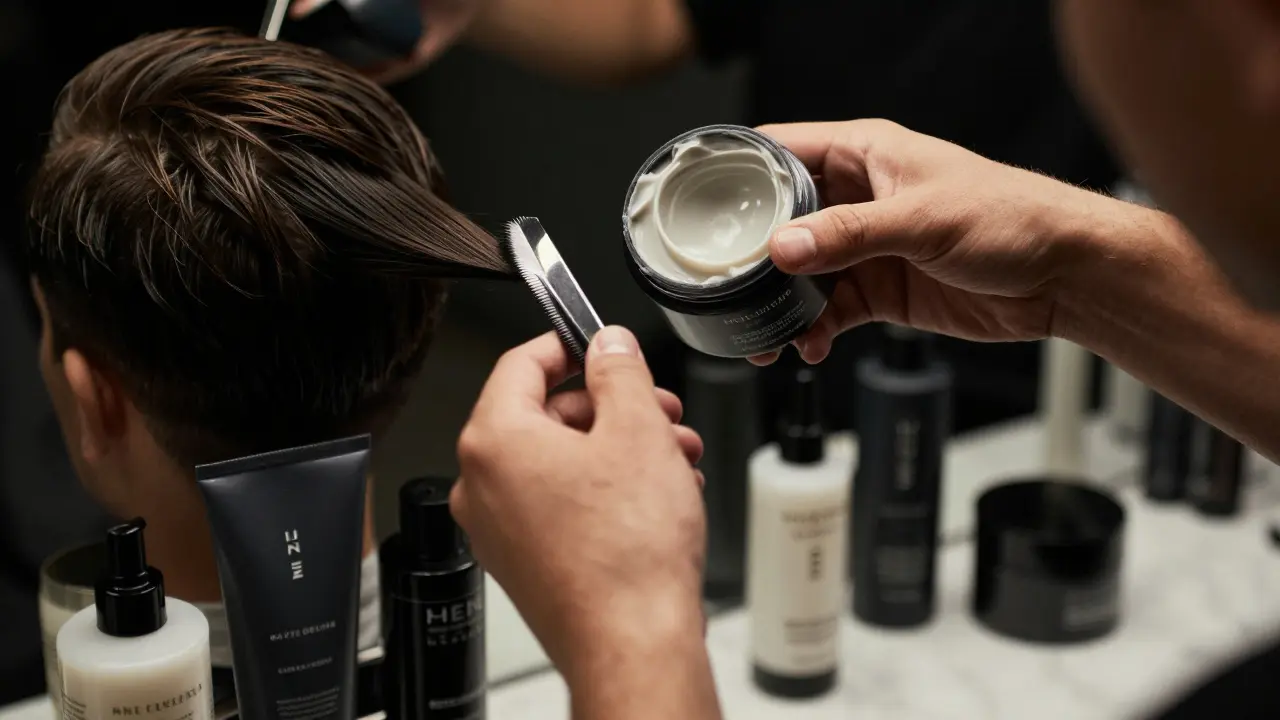
If you use a specific pomade to finish a client’s hair, explain why you chose it. "I’m using this matte clay because it gives grip without shine. It’s perfect for your thick hair type." Then, when you hand them the mirror, hold up the jar. "If you want to recreate this at home, this is the exact product I used. It lasts about three months." You’ve demonstrated the value, explained the benefit, and provided a solution. The purchase becomes logical, not emotional.
Keep your retail display organized and accessible. Don’t hide the good stuff behind the counter. Have testers available. Allow clients to smell the shampoos or feel the texture of the creams. Sensory experiences drive impulse buys. Also, consider bundling. Offer a "Starter Kit" with a shampoo, conditioner, and styling product at a slight discount. It reduces the decision fatigue for the client.
Building Client Retention and Loyalty
Selling a haircut once is easy. Selling it repeatedly is the real goal. Retention is cheaper than acquisition. If you lose a client, you have to spend energy and marketing dollars to replace them. Focus on making every visit so good that they can’t imagine going anywhere else.
Personalization is your biggest tool here. Remember details. Did they mention a big date next week? Follow up. "Hey Mike, just checking in before your wedding rehearsal. Want to come in for a quick touch-up?" This level of care creates loyalty. Use a booking system that sends automated reminders, but add a personal touch when possible. A text message from you directly goes further than an automated SMS from a generic platform.
Create a membership or loyalty program. Simple works best. "Buy nine cuts, get the tenth free." Or offer a monthly subscription for regular maintenance. This locks in recurring revenue and keeps your chair filled consistently. It also helps you manage your schedule better, reducing gaps between appointments.
Leveraging Social Proof and Online Presence
In 2026, your digital footprint is as important as your physical shop. Clients research you before they book. Your Instagram, TikTok, or Facebook page should showcase your best work. Post videos of transformations. Show the process, not just the result. People love seeing the skill involved in a fade or a complex color job.
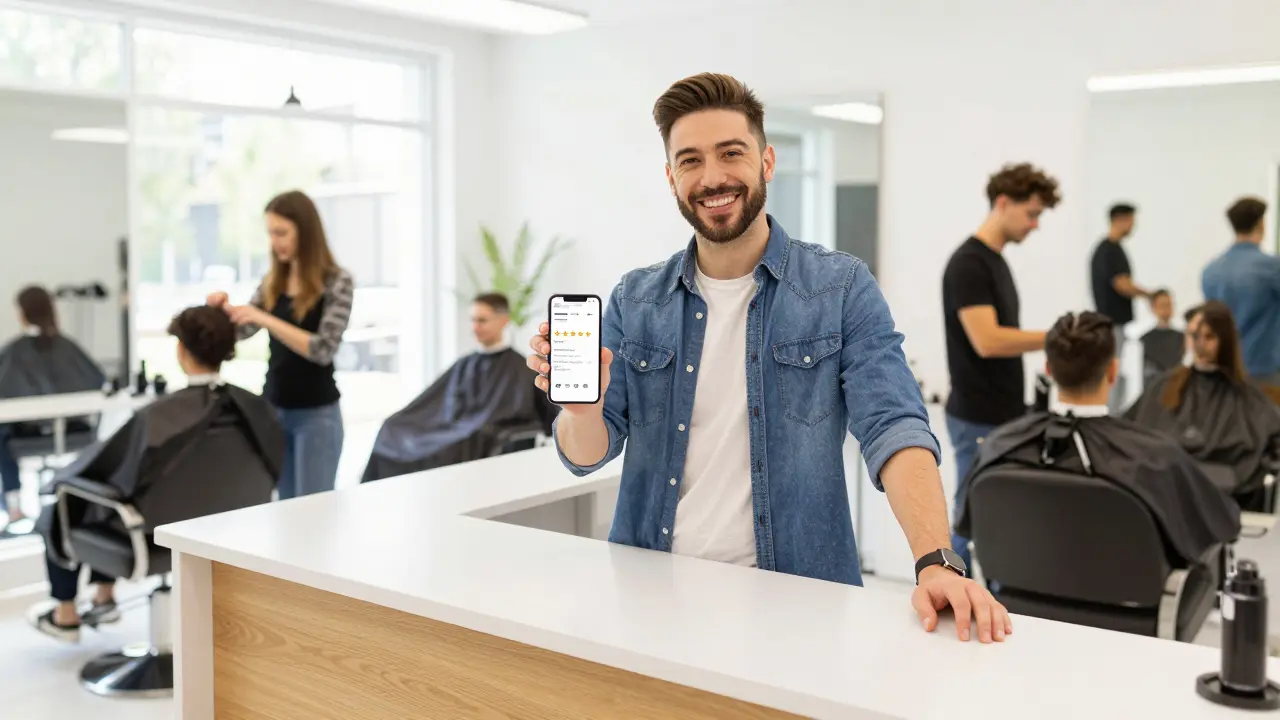
Encourage reviews. After a successful appointment, ask the client, "If you enjoyed your cut, would you mind leaving a quick review? It helps my business grow." Make it easy for them. Have a QR code on the counter that links directly to your Google Business profile. Positive reviews boost your local SEO, meaning when someone searches for "best barber near me," you show up higher. This is free advertising that pays off long-term.
Collaborate with local businesses. Partner with a nearby gym or men’s clothing store. Leave flyers there, or offer their staff a discount. Cross-promotion expands your reach into communities that already align with your brand values.
Pricing Strategy and Perceived Value
Don’t compete on price. Compete on value. If you lower your prices to attract budget-conscious clients, you often attract difficult clients who undervalue your time. Instead, raise your prices slightly and improve the experience. Better chairs, faster service, premium products, and a cleaner environment justify higher rates.
Segment your pricing. Offer tiered services. A basic trim might be $30, a full cut and style $45, and a luxury package with wash, scalp massage, and styling $75. Give clients options. Some will choose the middle ground, which is often where you want them. It increases your average ticket size without scaring them away with the highest price tag.
Be transparent about costs. No hidden fees. If a beard trim is extra, state that clearly upfront. Surprises kill trust. Clear communication shows professionalism and respect for the client’s wallet.
Handling Objections Gracefully
Sometimes clients will resist. "I don’t have time for a treatment." "That product is too expensive." Don’t argue. Acknowledge their concern and pivot. "I understand time is tight. How about we do a quick 5-minute express scalp refresh instead?" Or, "I hear you on the price. This product is an investment, but it replaces your current gel and shampoo, so it actually saves you money in the long run. Plus, it’s sulfate-free, which is better for your hair health."
Stay calm and confident. If they still say no, drop it. Pushing too hard damages the relationship. You can always try again next time. Respect their boundary, deliver an excellent haircut, and leave the door open for future sales.
How do I sell haircuts without being pushy?
Focus on education and benefits rather than pressure. Frame suggestions as professional advice tailored to their specific hair type and lifestyle. For example, instead of saying "You should buy this," say "This product solves the frizz issue we discussed." Listen actively to their needs and only recommend services that genuinely add value to their experience.
What is the best way to upsell additional services?
The best time to upsell is during the consultation or while performing a related step, such as shampooing. Identify a gap in their current routine or appearance-like dull hair or an unkempt beard-and present a service as the solution. Use phrases like "While we’re here, we could also..." to make it feel like a natural addition rather than a separate sale.
How can I increase my average ticket size?
Increase your average ticket size by bundling services, introducing premium add-ons like scalp treatments or keratin therapies, and promoting high-margin retail products. Train yourself to suggest one relevant add-on per client. Even if only half accept, your overall revenue will rise significantly without needing more clients.
Why is client retention more important than acquiring new clients?
Retaining existing clients is far more cost-effective than acquiring new ones. Loyal clients require less marketing spend, know your pricing structure, and are more likely to try new services or products you recommend. They also refer friends and family, providing organic growth that is highly trustworthy and sustainable.
Should I lower my prices to attract more customers?
Generally, no. Lowering prices can attract price-sensitive clients who may undervalue your work and be harder to serve. Instead, focus on increasing perceived value through better service, ambiance, and expertise. Raise your prices to match the quality you provide, which filters for clients who respect your craft and are willing to pay for excellence.