
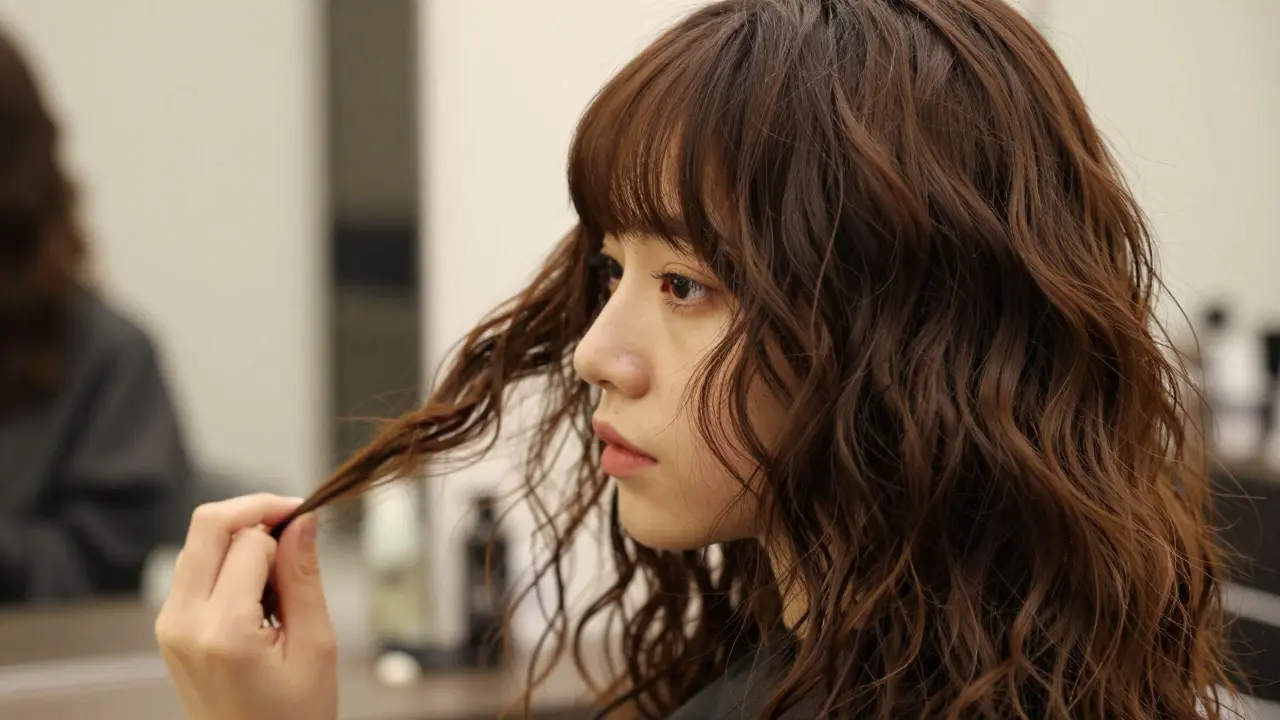
There is a moment in every salon chair when you look at your reflection and wonder if you just made a mistake. For some, that moment comes with a pixie cut; for others, it’s the bold leap into the Jellyfish haircut. It is one of those styles that demands a reaction. You either love its chaotic charm or find it completely baffling. If you are sitting on the fence, trying to figure out how you actually feel about this trend, you are not alone.
The Jellyfish cut has exploded onto social media feeds, particularly TikTok and Instagram, thanks to its distinct silhouette. It looks like what it sounds like: a short, rounded top that mimics the bell of a jellyfish, connected to long, flowing strands below that resemble tentacles. But beyond the viral hype, there is a real conversation happening about wearability, face shape compatibility, and whether this style is a passing fad or a legitimate addition to your rotation. Let’s break down why this cut is polarizing and help you decide where you stand.
What Exactly Is the Jellyfish Haircut?
To understand how you feel about it, you first need to know what you are looking at. The Jellyfish haircut is essentially a hybrid. It combines the structure of a short bob or bowl cut on top with the length and movement of a traditional mullet or curtain bangs underneath. Imagine a sharp, blunt line around the crown, usually hitting somewhere between the chin and the jawline. Below that line, the hair drops freely, often reaching the shoulders or even longer.
This style relies heavily on texture. Without wave or curl, the transition between the short top and long bottom can look awkward rather than intentional. That is why it thrives on natural texture. Straight hair requires significant styling effort to achieve the volume needed for the "bell" effect, while wavy or curly hair naturally creates the separation and body that defines the look. It is not just a cut; it is a textural statement.
Is the Jellyfish haircut the same as a mullet?
Not exactly. While they share DNA, the Jellyfish cut features a much shorter, more rounded top (like a bob) compared to the longer sides typical of a mullet. The mullet emphasizes business in the front and party in the back, whereas the Jellyfish focuses on a distinct separation between the crown volume and the lower length.
Why People Love It: The Appeal of Chaos
If you lean toward loving the Jellyfish cut, it is likely because you value individuality and low-maintenance flair. One of the biggest draws is the versatility. On a good day, you can slick the top back for a sleek, edgy vibe. On a lazy day, you can let the waves fall naturally, embracing the messy, rock-and-roll aesthetic. It feels alive. Unlike a precision bob that demands daily blow-drying to maintain its shape, the Jellyfish cut forgives imperfections.
It also taps into the nostalgia factor. We are currently living through a resurgence of Y2K and early 2000s fashion trends. The Jellyfish cut echoes the experimental hairstyles of that era, blending the grunge attitude of the nineties with the playful experimentation of the new millennium. For many, wearing this cut feels like making a fashion statement without saying a word. It signals confidence. It says you are comfortable enough in your skin to try something unconventional.
Furthermore, it works exceptionally well for specific hair types. If you have thick, coarse, or naturally curly hair, this cut removes bulk from the top while retaining length at the bottom. It lightens the load on your head while keeping the visual impact of long hair. Many people with high-density hair report feeling relieved after getting this cut because it finally gives their hair direction and shape instead of just letting it grow wild.
Why People Hesitate: The Risks Involved
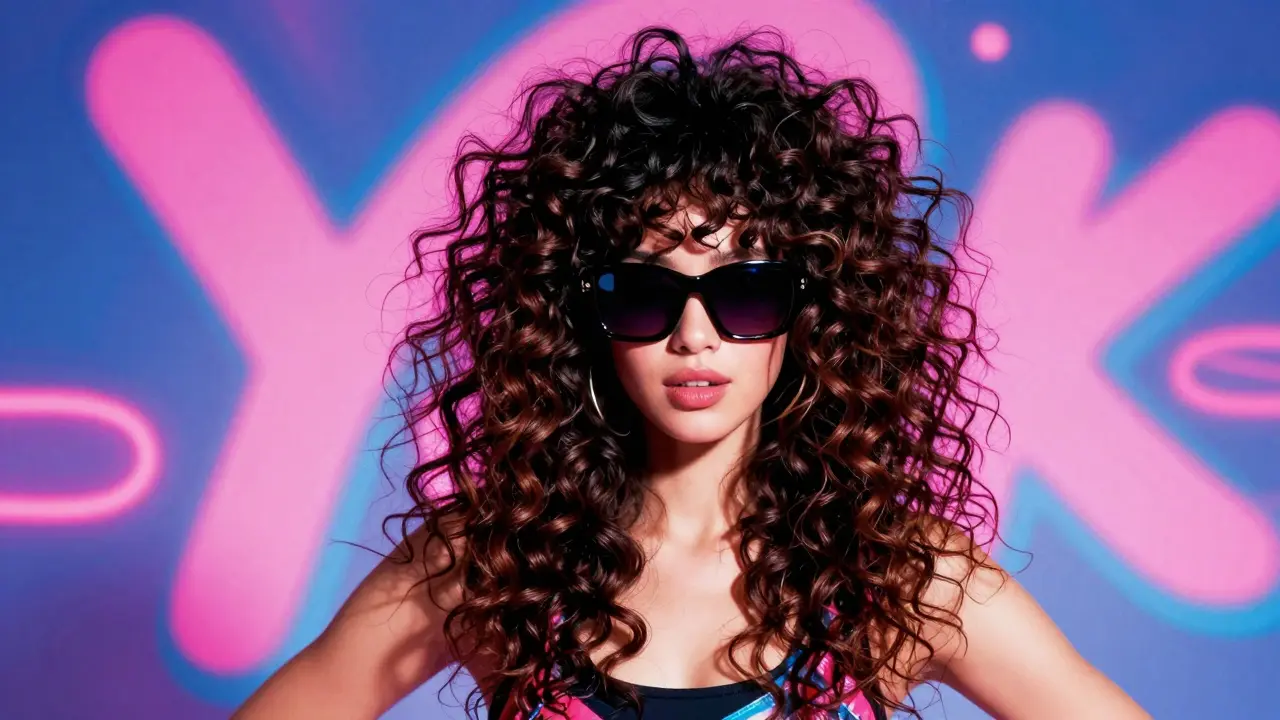
On the flip side, there are valid reasons to feel skeptical. The primary concern is the commitment. Getting a Jellyfish cut means cutting off a significant amount of hair from the upper section. If you change your mind, you cannot simply tie it up. You have to wait months for the top to grow back to blend with the bottom. During that growth phase, the style can look uneven and unkempt, which is a stressful period for anyone attached to their hair length.
Another major issue is face shape compatibility. The Jellyfish cut adds volume to the crown and width to the mid-section. If you have a round or square face, this added width can make your face appear wider or heavier. Conversely, if you have very fine, thin hair, the cut might expose scalp visibility at the crown, making the hair look sparse rather than voluminous. It is not a universal solution. It requires a certain density and texture to pull off successfully.
Maintenance is another double-edged sword. While it is marketed as low-maintenance, it actually requires specific products to keep the texture defined. Without sea salt sprays, mousse, or texturizing powders, the "tentacles" can look stringy and greasy quickly. The contrast between the short top and long bottom needs constant definition. If you prefer washing your hair and going, this style might demand more product usage than you are used to.
Who Should Try It? A Practical Checklist
Before you sit in the stylist's chair, ask yourself these questions. They will help you gauge whether your feelings about the cut align with your reality.
- Do you have natural texture? Wavy, curly, or coily hair handles this cut best. Straight hair requires heat styling every time you wash it.
- Are you okay with a two-month awkward phase? If you decide to remove it, be prepared for a transitional period where the lengths do not match.
- Does your face shape suit volume on top? Oval, heart, and oblong faces tend to carry this style well. Round faces may need additional layering to slim the profile.
- Do you enjoy using texturizing products? This cut lives and dies by its texture. Be ready to invest in dry shampoo and sea salt spray.
- Is your current hair healthy? Damaged hair can look frizzy and unmanageable in this cut. Healthy ends are crucial for the "tentacle" part to flow nicely.
Styling Tips to Make It Work
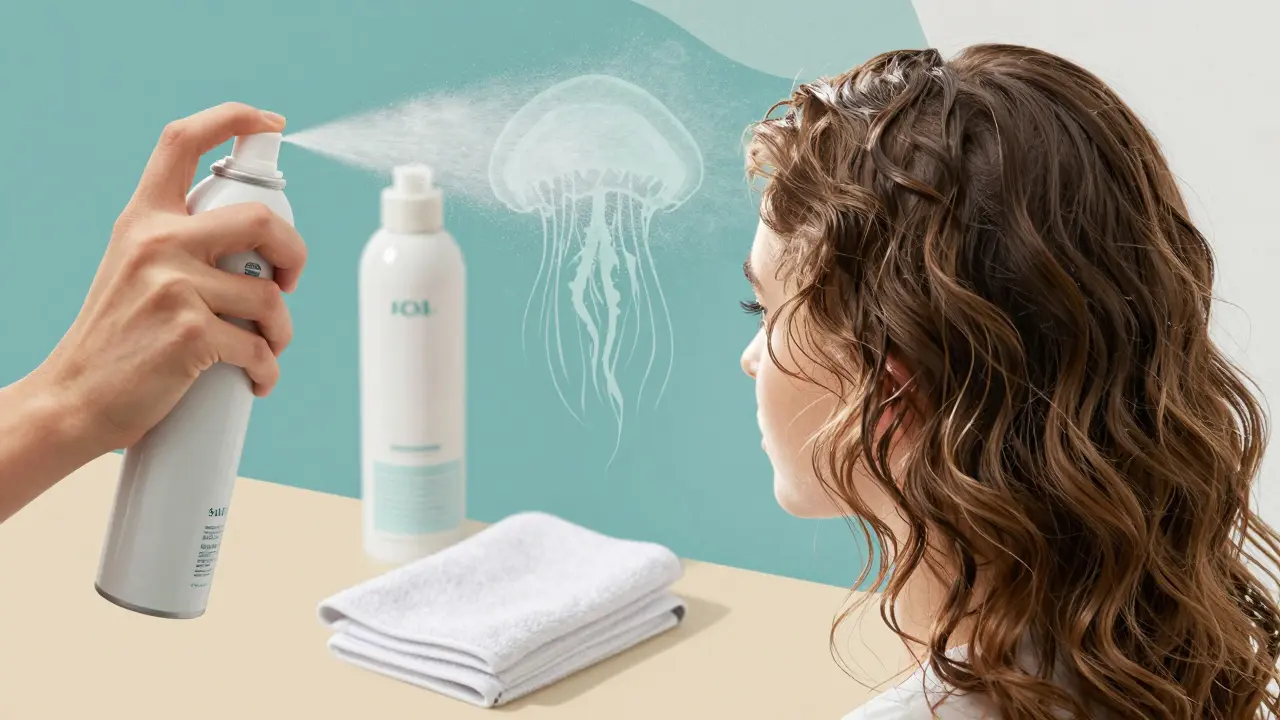
If you decide to go for it, here is how to maximize the potential of your new look. First, focus on the roots. Use a volumizing mousse at the root of the top section to create lift. This ensures the "bell" of the jellyfish holds its shape throughout the day. Second, embrace air drying. Blow-drying can flatten the natural texture. Instead, scrunch your hair with a microfiber towel and let it dry naturally to enhance the waves.
For the lower section, avoid heavy conditioners that weigh down the ends. Apply conditioner only from the mid-lengths to the tips. This keeps the tentacles light and bouncy. Finally, consider a clip-in extension hack if you want to test the waters. Some stylists suggest leaving the top slightly longer initially so you can clip in extensions at the bottom to simulate the Jellyfish look before committing to the cut. It is a safe way to see how you feel about the silhouette without losing your length permanently.
Final Thoughts: Trust Your Gut
Ultimately, how you feel about the Jellyfish haircut should come down to your personal style comfort zone. If you love experimenting and don't mind standing out, it could be your next signature look. If you prefer clean, polished, and predictable styles, it might cause you more stress than joy. Hair grows back. Trends fade. But confidence remains. Choose a style that makes you feel powerful, not just trendy. Whether you dive in or stay on the shore, make sure the decision is yours, not just an algorithm's suggestion.
How long does it take to grow out a Jellyfish haircut?
It typically takes 6 to 12 months for the top section to grow enough to blend seamlessly with the bottom layers. During this time, regular trims of the bottom layers may be necessary to maintain a cohesive look as the top catches up.
Can I get a Jellyfish haircut if I have straight hair?
Yes, but it requires more effort. You will need to use curling irons or waver tools to create the necessary texture and volume. Without styling, straight hair may look flat and disjointed rather than structured.
What products are essential for maintaining this style?
Sea salt spray for texture, volumizing mousse for the roots, and a lightweight leave-in conditioner for the ends are key. Dry shampoo can also help add grit and hold to the style between washes.
Is the Jellyfish haircut suitable for men?
Absolutely. The style is gender-neutral and has been popularized by male celebrities and influencers. It offers a modern twist on the traditional mullet, appealing to those who want an edgy yet manageable look.
How do I prevent the top from looking too bulky?
Ask your stylist to point-cut the ends of the top section to remove weight. Thinning shears can also be used sparingly to reduce bulk without sacrificing shape. Regular trims every 8-10 weeks help maintain the balance.