
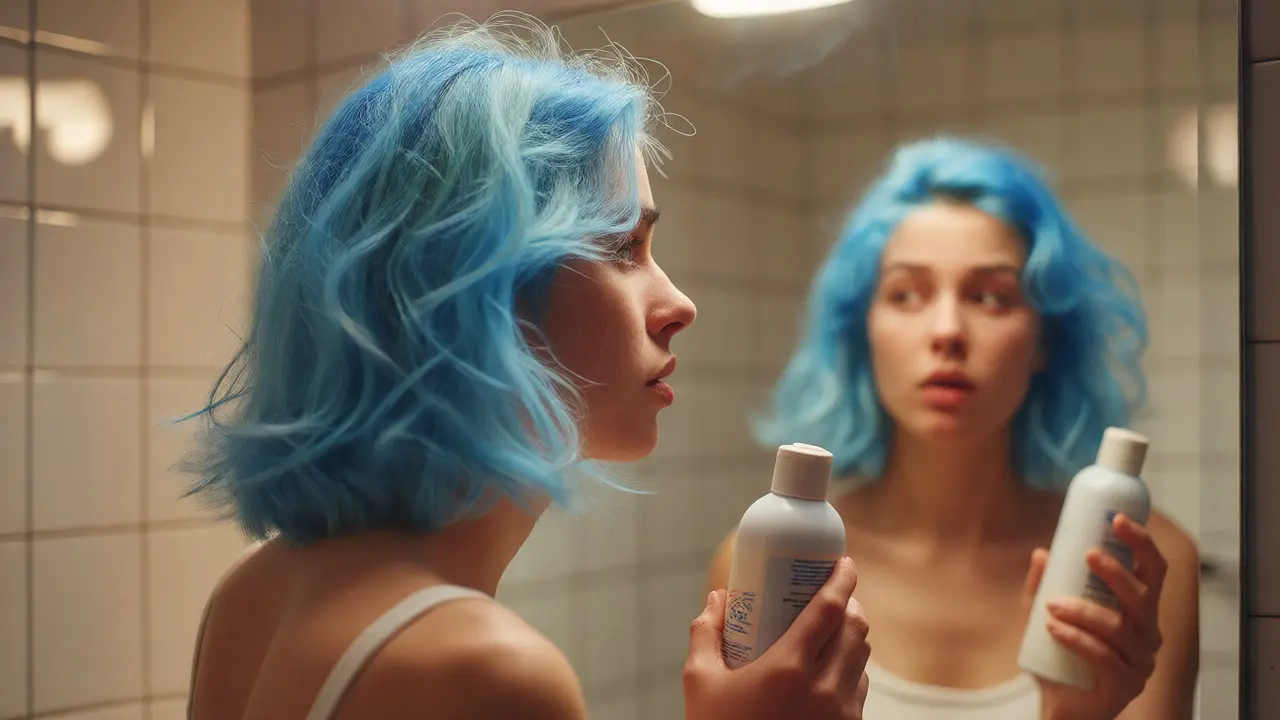
You bought a bright pink spray for Halloween or a pastel blue rinse for a music festival. You love the look, but now you’re staring at your shampoo bottle, wondering: how long does it take for temporary hair dye to wash out?
The short answer is usually faster than you think. For true temporary products-like sprays, gels, and chalks-the color typically disappears after just one or two shampoos. But here’s the catch: "temporary" is often used loosely in marketing. If you grabbed a box labeled "semi-permanent," you might be looking at anywhere from four to twelve washes before your natural shade returns. Confusing these categories leads to panic when the color doesn’t vanish overnight.
Temporary hair dye is a cosmetic product that deposits pigment on the outer surface of the hair shaft without penetrating the inner cortex. Unlike permanent dyes that use ammonia and peroxide to alter your DNA-level color, temporary options sit on top of the cuticle. This surface-level application is exactly why they wash out so easily-and why rain, sweat, or humidity can make them bleed onto your forehead before you even reach the shower.
The Real Timeline: One Wash or Twelve?
If you are using a product explicitly marketed as "1-Day Color," "Wash-Out Spray," or "Temporary Rinse," expect it to leave your hair during your next normal shampoo session. The American Cancer Society notes that most temporary dyes require only 1-2 washings to remove completely. Poison Control agrees, stating that a single shampooing is often enough to strip the pigment away.
However, don’t mistake fading for disappearing. A vivid teal spray might look faded after eight hours, but the actual pigment removal happens mechanically when surfactants (the cleaning agents in shampoo) lift the dye off the hair fiber. If you have thick, coarse, or highly porous hair, you might need a second wash to get rid of faint residue. But generally, if you want to go back to your natural look for work on Monday, washing your hair Sunday night will do the job.
The confusion starts when people buy semi-permanent dyes thinking they are temporary. Semi-permanent formulas penetrate the cuticle slightly more than temporary ones. They don’t contain developers like hydrogen peroxide, so they don’t lighten your hair, but they do soak into the outer layers. According to Wella Professionals, semi-permanent color lasts an average of 10-20 washes. L’Oréal Paris suggests some of their semi-permanent masks last over 10 washes. That’s weeks, not days.
Why Your Hair Type Changes the Math
Your hair isn’t a uniform canvas. It’s a complex structure with varying levels of porosity, which directly impacts how long color sticks around.
High Porosity Hair: If you bleach your hair frequently or use heat tools often, your cuticles are likely raised or damaged. This creates gaps where pigment can lodge itself deeper than usual. Even a "temporary" spray might stain bleached blonde hair for three or four washes instead of one. The pigment gets trapped in the rough texture.
Low Porosity Hair: Untreated, healthy hair has a smooth, tight cuticle layer. Temporary color sits strictly on the outside. It wipes off easily, sometimes too easily. If you sweat through a workout, low-porosity hair sheds the color faster because there’s nowhere for it to grip.
Natural Dark Hair: If you have dark brown or black hair, temporary light colors (like white or pastel yellow) might not show up well, but they also won’t stain significantly. However, dark temporary dyes on light hair can leave a ghostly tint that requires a clarifying shampoo to fully remove.
Temporary vs. Semi-Permanent: Know What You Bought
Before you scrub your scalp raw trying to remove color, check the label. Are you dealing with a true temporary product or a semi-permanent one? The difference determines your removal strategy.
| Product Type | Typical Duration | Mechanism | Removal Method |
|---|---|---|---|
| True Temporary (Sprays, Chalks, Gels) |
1-2 Shampoos | Sits on the outer cuticle surface | Normal Shampoo |
| Semi-Permanent (Dyes, Masks, Conditioners) |
4-12+ Shampoos | Penetrates the outer cuticle layer | Clarifying Shampoo, Time, Color Remover |
| Demi-Permanent (Tones, Glosses) |
20-28 Shampoos | Deposits color with mild developer | Gradual Fading, Professional Correction |
If you used a semi-permanent dye and it’s still there after two washes, stop panicking. It’s supposed to fade gradually. Trying to force it out with harsh scrubbing or bleach can damage your hair more than the color itself.
How to Speed Up the Removal Process
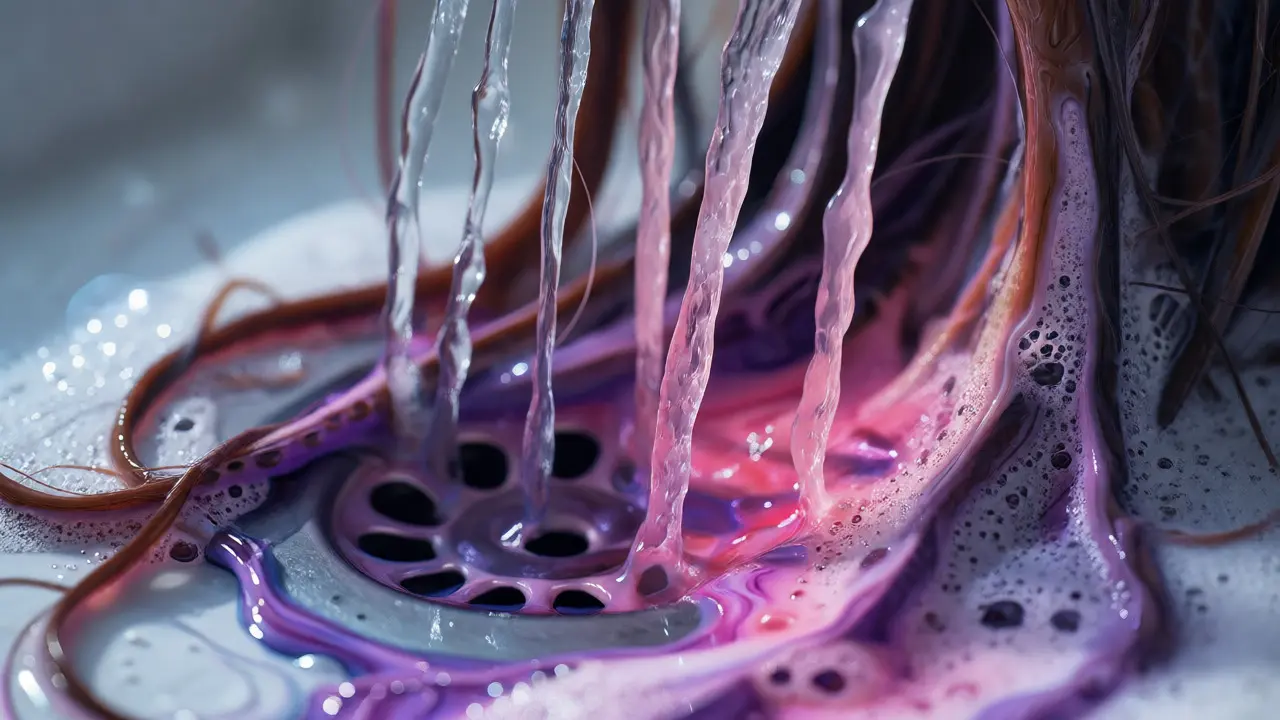
So, you’ve washed your hair once, and there’s still a hint of purple left. Here is how to accelerate the process without wrecking your strands.
- Use Warm Water: Hot water opens the hair cuticle, allowing shampoo to penetrate better and lift pigment. Just don’t scald your scalp; warm is sufficient.
- Switch to Clarifying Shampoo: Regular moisturizing shampoos deposit oils that can trap color. Clarifying shampoos are designed to strip buildup. Use one specifically formulated for color removal or deep cleansing. Look for ingredients like sulfates (SLS/SLES), which are effective at lifting surface pigments.
- Add Vitamin C Treatment: Crushed vitamin C tablets mixed with anti-dandruff shampoo create a paste that helps break down artificial pigment. Apply it to damp hair, cover with a shower cap, and let it sit for 30-60 minutes before rinsing. This works best on semi-permanent stains rather than true temporary sprays.
- Repeat, Don’t Bleach: If the color remains, wash again the next day. Do not reach for household bleach. L’Oréal warns that at-home bleach on already colored hair can cause uneven banding and severe breakage. Bleach lifts natural pigment; it doesn’t always cleanly remove artificial dye, especially if the dye is metallic-based.
Pitfalls That Make Color Last Longer Than Expected
Sometimes the delay isn’t about the product type-it’s about what you did before and after applying the dye.
Dirty Hair Trap: Many instructions say to apply temporary color to clean, dry hair. If you applied it to unwashed, oily hair, the oil acts as a barrier. The color might slide off easily, but it could also clump and resist washing out evenly.
Conditioner Before Washing: If you conditioned your hair immediately after applying temporary color, you sealed the cuticle. This can lock the pigment in place longer than intended. Always shampoo first, then condition, unless the product instructions specify otherwise.
Heat Styling: Using a flat iron or curling wand right after applying temporary spray can melt the pigment into the hair shaft. While this makes the color look vibrant, it makes it harder to wash out. Heat essentially bakes the surface dye into the keratin structure temporarily.
Safety First: It’s Not Just About Color
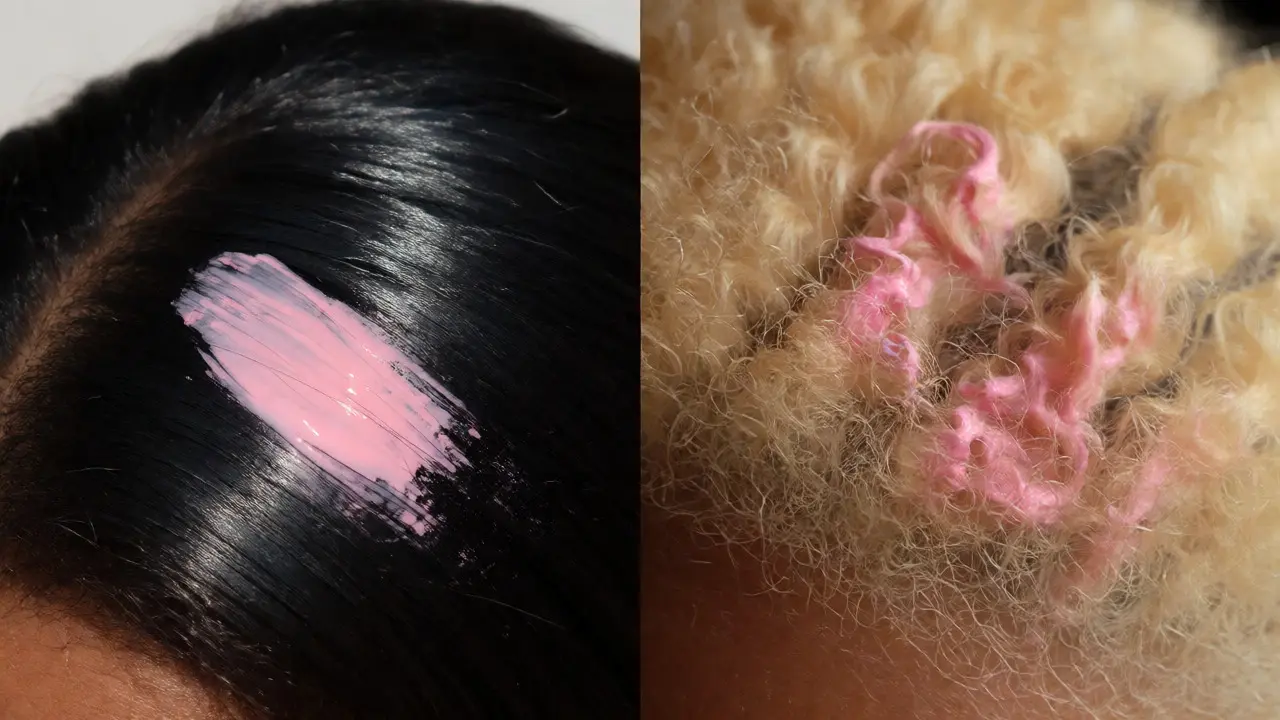
Just because a dye washes out quickly doesn’t mean it’s harmless. Temporary dyes still contain chemicals that can irritate sensitive skin.
The American Academy of Dermatology recommends performing a skin patch test 48 hours before using any new hair color product, even if it’s labeled "wash-out." Apply a small amount behind your ear or on your inner elbow. If you experience redness, itching, or swelling, skip the product. Rash or burning sensations are signs of an allergic reaction, not just sensitivity.
Also, wear gloves. Many temporary sprays stain hands instantly. While this isn’t dangerous, it’s annoying and hard to remove from skin creases. Rinsing your scalp thoroughly is crucial to prevent irritation along the hairline.
What If It Won’t Come Out?
If you’ve shampooed three times and the color persists, you likely misidentified the product category. You probably used a semi-permanent dye or a high-quality temporary formula with strong binding agents.
In this case, patience is your best tool. Semi-permanent color fades with every wash. Within a week of regular washing, it should be significantly lighter. If you need it gone faster, consider a dedicated color remover product available at beauty supply stores. These are gentler than bleach and specifically designed to shrink artificial dye molecules so they slip out of the hair shaft.
Avoid DIY kitchen hacks like baking soda scrubs if your hair is already dry or damaged. Baking soda is highly alkaline and can roughen the cuticle, leading to frizz and tangling. Stick to professional-grade clarifying shampoos or color removers for predictable results.
Does temporary hair dye damage your hair?
Generally, no. True temporary hair dye sits on the outside of the hair shaft and does not use harsh chemicals like ammonia or peroxide to penetrate the cortex. However, frequent washing required to remove the color can dry out hair, and heat styling over the dye may cause minor thermal stress. Always follow up with a conditioner to maintain moisture.
Can I sleep with temporary hair dye in?
Yes, but protect your pillowcase. Temporary dyes, especially sprays and gels, can transfer onto fabric while you sleep. Wrap your hair in a silk scarf or use an old towel on your pillow. Ensure the product is fully dry before lying down to minimize staining.
Will temporary hair dye show up on dark hair?
It depends on the color intensity. Light pastels and neon colors often appear translucent or invisible on dark hair. Darker shades like deep purple, red, or black will show up clearly. For vibrant results on dark hair, choose highly pigmented formulas or consider bleaching beforehand, though bleaching changes the longevity of the temporary color.
Why is my temporary hair dye bleeding?
Bleeding occurs when the dye hasn’t fully dried or sets properly, or when exposed to moisture like rain, sweat, or humidity. Since temporary dye sits on the surface, water reactivates the pigment, causing it to run. To prevent this, ensure the product is completely dry before exposure to elements and avoid touching your hair excessively.
How many washes does semi-permanent dye really take?
Semi-permanent dye typically lasts between 4 to 12 washes, depending on the brand, hair porosity, and color depth. Some professional brands claim up to 20 washes. Factors like hot water, sulfate shampoos, and sun exposure can shorten this lifespan, while cool water and color-safe shampoos can extend it.