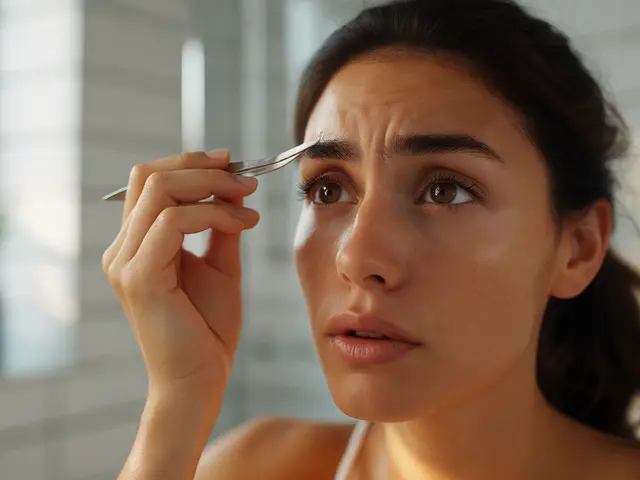

There is nothing worse than looking in the mirror after a fresh wax job only to see red bumps, dark spots, or what looks like permanent damage on your skin. If you have ever wondered whether those marks left behind by an eyebrow waxing kit are here to stay, you are not alone. The short answer is that most "scars" from waxing do go away, but it depends entirely on what kind of mark you are dealing with. True scarring is rare; what you are likely seeing is inflammation, hyperpigmentation, or minor trauma that needs time and proper care to heal.
Understanding the difference between a temporary reaction and actual tissue damage is the first step to getting your skin back to normal. In this guide, we will break down why these marks appear, how long they last, and exactly what you should put on them to speed up recovery. We will also look at how to prevent these issues next time you reach for your waxing supplies.
Identifying the Mark: Scar vs. Irritation
Before you start worrying about permanent changes to your complexion, you need to identify what you are actually looking at. Not every red bump or dark spot is a scar. Most people mistake severe irritation for scarring because both can look alarming immediately after hair removal.
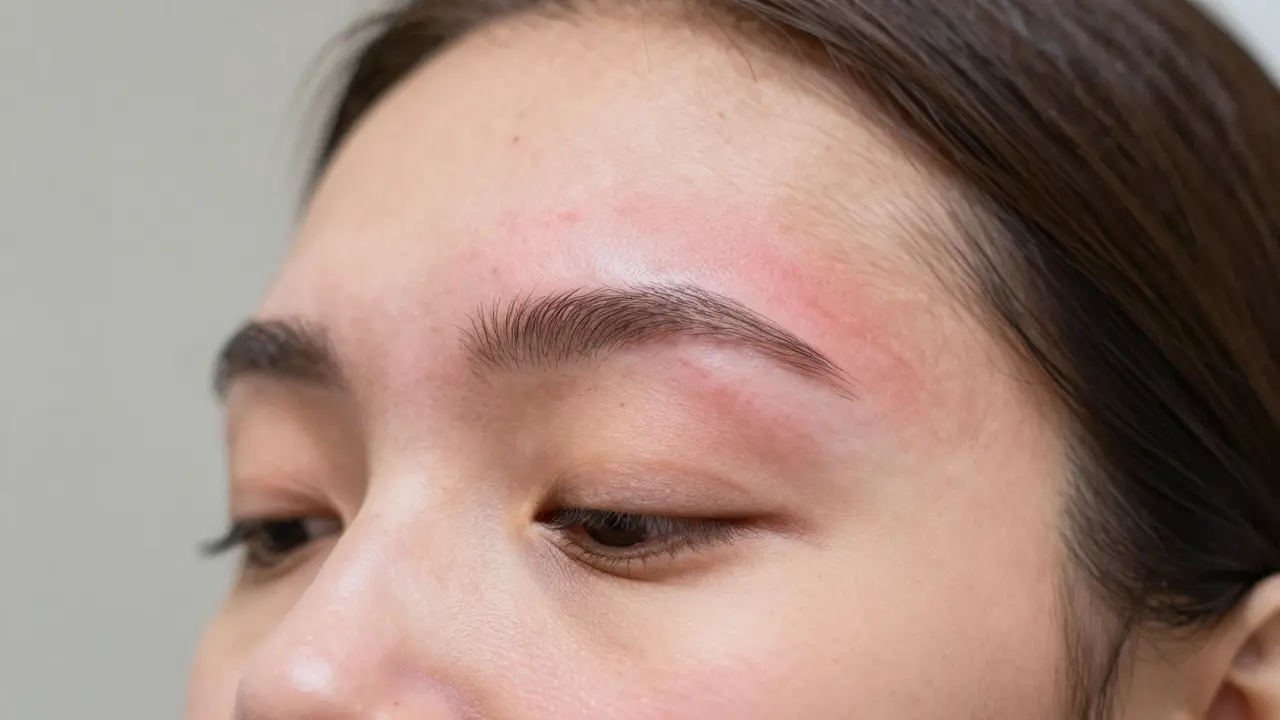
- Redness and Swelling: This is acute inflammation. It happens when the follicle is pulled from the root, causing a tiny tear in the skin. This usually fades within 24 to 48 hours.
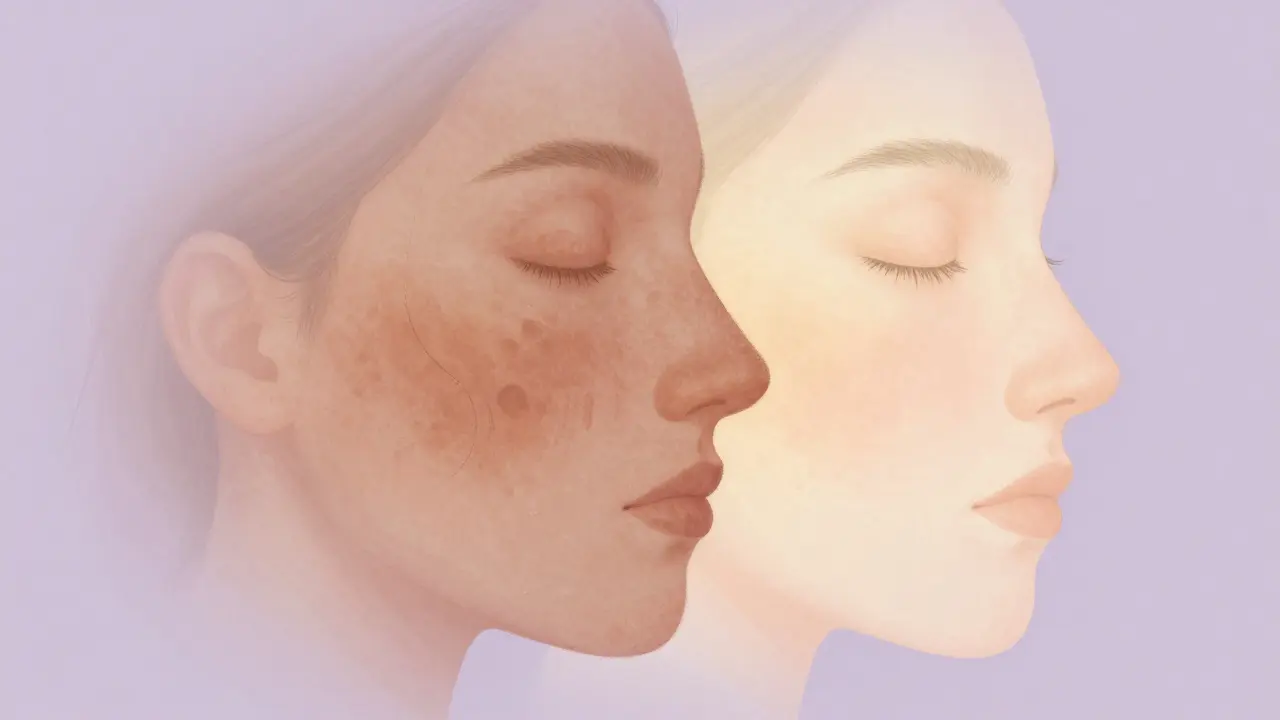
- Post-Inflammatory Hyperpigmentation (PIH): These are flat, dark spots that remain after the inflammation heals. They are more common in deeper skin tones. While they can last weeks or months, they are not scars and will fade over time.
- Ingrown Hairs: Sometimes a hair grows back under the skin, creating a pimple-like bump. This can leave a small indent if picked at, but the bump itself is not a scar.
- Atrophic Scars: These are true scars. They appear as small pits or indentations in the skin where collagen has been damaged. This is rare from waxing unless you had a severe infection or picked aggressively at the area.
If your skin is raised, hard, or keloid-like, you may have a predisposition to keloids. In this case, any skin trauma, including waxing, can trigger excessive scar tissue growth. If you know you are prone to keloids, avoid waxing sensitive areas like the eyebrows entirely.
Why Do Waxing Marks Appear?
To understand how to fix the problem, you need to know what caused it. Waxing works by adhering to the hair shaft and pulling it out from the root. This process creates micro-tears in the epidermis. When done correctly, these tears heal quickly. When done incorrectly, they lead to lasting marks.
The most common culprit is hard wax applied at the wrong temperature or removed against the direction of hair growth. Hard wax is generally gentler on the skin than strip wax because it shrinks around the hair rather than sticking to the top layer of skin. However, if the wax is too hot, it can cause mild burns. Burns damage the dermis, which significantly increases the risk of pigmentation changes and scarring.
Another major factor is pre-wax preparation. If your skin is dry, flaky, or recently exfoliated with harsh acids like retinol or glycolic acid, the barrier is compromised. Waxing over compromised skin leads to lifting-where the top layer of skin comes off with the wax. This sounds dramatic, but even minor lifting can result in redness that lasts for days and potentially leave a mark if infected.
How Long Does It Take for Marks to Fade?
Patience is your best friend here. Skin turnover is a biological process that cannot be rushed without risking further damage. Here is a realistic timeline for different types of post-wax marks:
| Type of Mark | Average Healing Time | Key Action |
|---|---|---|
| Mild Redness | 12-48 hours | Cool compresses and soothing creams |
| Small Bumps/Pseudofolliculitis | 3-7 days | Gentle exfoliation and warm compresses |
| Dark Spots (Hyperpigmentation) | 2 weeks - 6 months | Sun protection and brightening serums |
| Minor Indentation (Atrophic Scar) | 3-12 months | Collagen-boosting treatments |
Note that individual healing speeds vary based on age, genetics, and overall skin health. Younger skin tends to regenerate faster due to higher collagen production. If you notice no improvement after three months for dark spots, or six months for indentations, it may be time to consult a dermatologist.
Immediate Steps to Minimize Damage
If you just finished using your eyebrow waxing kit and see redness or bumps, act immediately. The first hour is critical for calming the inflammatory response.
- Cool the Area: Apply a cold compress or ice wrapped in a clean cloth for 5-10 minutes. This constricts blood vessels and reduces swelling. Do not apply ice directly to the skin.
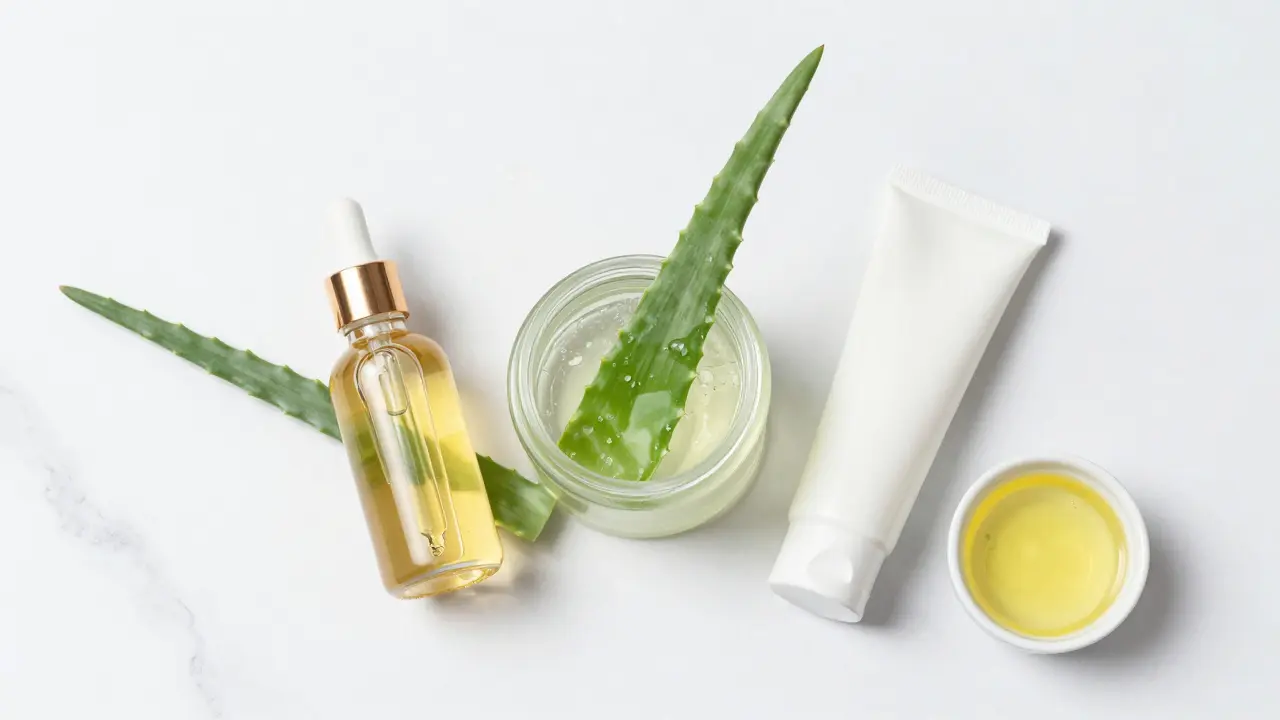
- Apply Aloe Vera: Pure aloe vera gel is anti-inflammatory and hydrating. Look for a product with at least 90% aloe content and no added alcohol or fragrance.
- Use Tea Tree Oil (Diluted): If you have bumps that look like pimples, dilute tea tree oil with a carrier oil like jojoba. Tea tree has natural antiseptic properties that prevent infection. Never apply undiluted essential oils to irritated skin.
- Avoid Heat: For the next 24 hours, avoid hot showers, saunas, steam rooms, and direct sunlight. Heat expands blood vessels and worsens redness.
Resist the urge to touch the area. Your hands carry bacteria that can turn a simple irritation into an infected wound. Infected wounds are much more likely to scar than sterile ones.
Treating Dark Spots and Pigmentation
If the redness fades but leaves behind brown or purple spots, you are dealing with post-inflammatory hyperpigmentation. This is common, especially if you have darker skin tones or if the sun hit the area before it fully healed.
To speed up fading, focus on ingredients that inhibit melanin production and accelerate cell turnover. Vitamin C serums are excellent for brightening existing discoloration. Use a serum with L-ascorbic acid in the morning, always followed by sunscreen. Sun exposure darkens PIH, making it stubborn and long-lasting.
Niacinamide is another powerhouse ingredient. It helps strengthen the skin barrier and reduces the transfer of pigment to skin cells. A 5-10% niacinamide serum used twice daily can show results in 4-8 weeks. Avoid harsh scrubs during this phase. Physical exfoliation can irritate the already sensitized skin, leading to more pigment production.
Preventing Future Scars and Marks
Prevention is always easier than cure. If you plan to continue using an eyebrow waxing kit at home, follow these rules to keep your skin smooth and unmarked.
Prep is Everything: Ensure your skin is clean and completely dry before applying wax. Any moisture prevents the wax from gripping the hair properly, leading to multiple pulls and more trauma. Exfoliate gently 24 hours before waxing, not right before. This removes dead skin cells and helps prevent ingrown hairs.
Check the Temperature: Always test the wax on your inner wrist before applying it to your face. It should feel warm, not hot. If you are using hard wax, let it cool slightly until it forms a matte finish before removing it. Removing wax while it is still too hot can rip the skin.
Remove in the Right Direction: Hold the skin taut with one hand. With the other, remove the wax strip parallel to the skin, moving in the opposite direction of hair growth. Pulling upward at a sharp angle increases the risk of skin lifting and bruising.
Aftercare Routine: Keep a dedicated aftercare oil handy. Ingredients like rosehip seed oil, calendula oil, or frankincense oil promote healing and reduce inflammation. Apply this immediately after waxing and continue for three days.
When to See a Professional
While most waxing issues resolve on their own, some situations require professional intervention. If you experience severe pain, pus-filled bumps, or spreading redness, you may have an infection. See a doctor immediately if you develop signs of cellulitis, such as warmth, swelling, and fever.
For persistent dark spots that do not fade after six months of consistent treatment, a dermatologist can offer laser therapy or chemical peels. These procedures target pigment more effectively than topical creams. For true atrophic scars, treatments like microneedling or fractional laser resurfacing can stimulate collagen production and fill in indentations.
Remember, your skin is resilient. With the right care and patience, almost all marks from waxing will disappear. The key is to treat your skin gently during the healing process and protect it from further irritation.
Can I use makeup to cover waxing redness?
It is best to avoid makeup for at least 24 hours after waxing. Makeup can clog pores and introduce bacteria to open follicles, increasing the risk of breakouts and irritation. If you must cover the area, use a mineral-based foundation that is non-comedogenic and apply it with a clean brush. Remove it gently with a mild cleanser.
Does sun exposure make waxing scars worse?
Yes, absolutely. UV rays stimulate melanin production, which can darken post-inflammatory hyperpigmentation and make it last longer. Always apply a broad-spectrum SPF 30 or higher to freshly waxed areas, even if you are indoors near windows. Sun protection is crucial for preventing dark spots from becoming permanent.
What is the best oil for healing waxing bumps?
Tea tree oil diluted in a carrier oil like jojoba or coconut oil is excellent for its antibacterial properties. Rosehip seed oil is rich in vitamins A and C, which promote cell regeneration and reduce scarring. Calendula oil is also highly effective for soothing inflammation and speeding up the healing process.
How often should I wax my eyebrows to avoid scarring?
Wait at least 4 to 6 weeks between waxing sessions. This allows your hair to grow back sufficiently and gives your skin time to fully recover. Waxing too frequently weakens the hair follicle and irritates the skin, increasing the likelihood of ingrown hairs and sensitivity.
Can I exfoliate immediately after waxing?
No, you should wait at least 48 hours before exfoliating. Immediate exfoliation can cause micro-tears and severe irritation. After two days, gentle exfoliation helps prevent ingrown hairs by keeping the pore openings clear. Use a soft washcloth or a mild chemical exfoliant with lactic acid.