

Key Takeaways for Extension Longevity
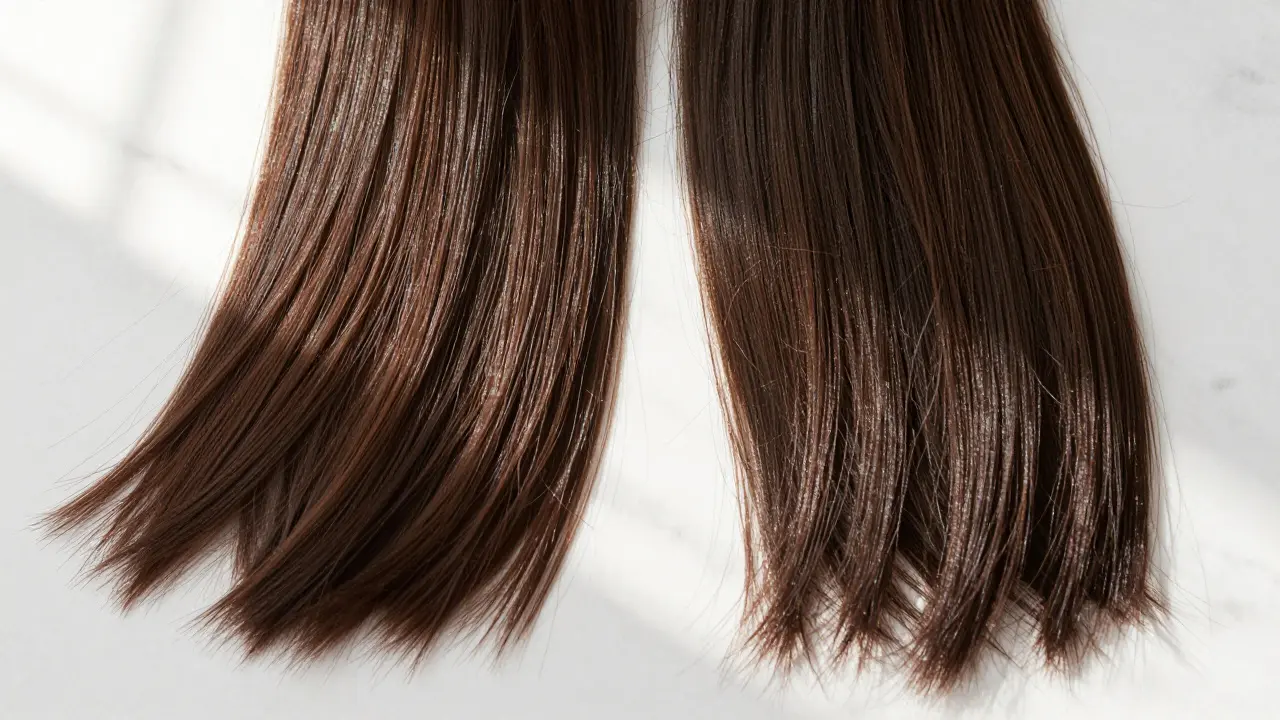
- Human hair clip-ins can last 6 months to a year with proper care.
- Synthetic versions usually last 3 to 6 months before they start looking "fried."
- Storage and detangling are more important for lifespan than the actual washing process.
- Heat styling is the fastest way to kill the luster of your hair.
The Material Divide: Human Hair vs. Synthetic
Before we talk about months and years, we have to talk about what's actually in the box. The material is the biggest factor in how long your investment lasts. When we talk about Human Hair Extensions, we are talking about a natural protein structure that can be washed, conditioned, and styled just like the hair growing out of your scalp. Because they are made of organic material, they are much more durable over the long haul, provided you don't over-process them with bleach or high heat.
On the flip side, Synthetic Hair is a man-made fiber, usually composed of plastic-based polymers like acrylic or modacrylic. These are great for a quick change or a themed party because they hold a style (like a curl) even after washing. However, they have a "shelf life." The friction from your clothes, the wind, and the natural oils from your skin eventually break down the plastic fibers, leading to a fuzzy, frizzy appearance that you can't simply brush away.
| Attribute | Human Hair | Synthetic Hair |
|---|---|---|
| Average Lifespan | 6 - 12 Months | 3 - 6 Months |
| Heat Resistance | High (with protectant) | Low to Moderate |
| Wash Frequency | Every 10-15 wears | Rarely (only when oily) |
| Tangle Risk | Moderate | High (cannot be "steamed" out) |
How to Tell When It's Time to Toss Your Extensions
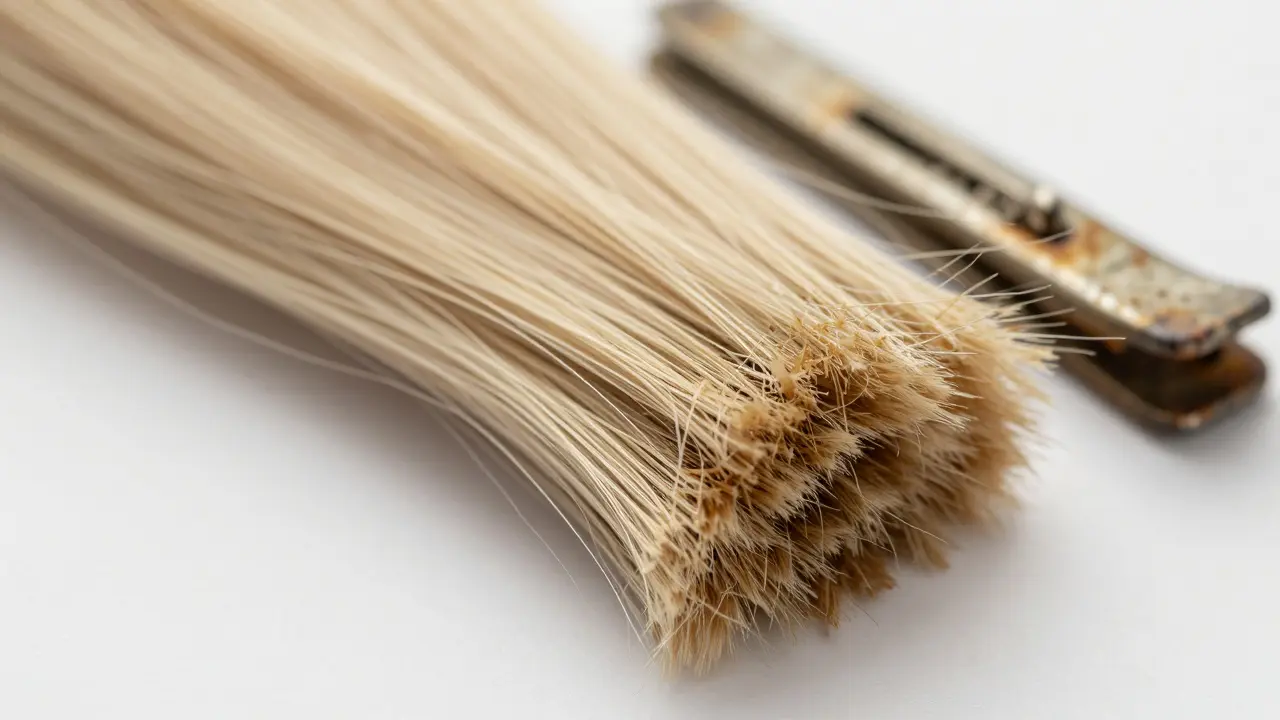
You might be clinging to a set of hair clip extensions that are long past their prime. Recognizing the signs of "hair fatigue" is key to keeping your overall look polished. The first red flag is usually the ends. If the bottom two inches of the hair look thin, frayed, or feel like straw despite using a deep conditioner, the cuticles are shot. This is common with Remy Hair, which is high-quality hair where the cuticles are kept aligned. Once those cuticles are stripped away through excessive washing or heat, the hair becomes porous and dull.
Another sign is the clip mechanism. Check the Metal Clips. If they are starting to rust, bend, or lose their grip, they can actually damage your natural hair by pulling or snagging. If you find yourself spending more time detangling the extensions than actually wearing them, it's a sign that the fibers have degraded. For synthetic hair, look for "friction frizz"-those little tiny knots that form at the nape of the neck. Once those appear, no amount of serum will fix them.
The Daily Habits That Kill Your Extensions
If you want your hair to last a year instead of three months, you need to change how you interact with them. Most people make the mistake of treating clip-ins like a permanent part of their body. They aren't. They are an accessory. The biggest killer? Sleeping in them. When you toss and turn, the clips rub against your pillowcase, creating tension that pulls the hair out of the weft and creates massive tangles at the crown.
Heat is the second biggest enemy. Using a flat iron at 450°F on extensions that have already been processed with chemicals is a recipe for disaster. Since clip-ins don't receive the natural oils from your scalp to protect them, they dry out much faster than your own hair. If you must style them, use a heat protectant spray and keep the temperature below 350°F. Think of it like a delicate fabric; you wouldn't iron a silk blouse on the highest setting, and you shouldn't do it to your hair either.
Step-by-Step Maintenance Guide for Maximum Life
To get the most bang for your buck, follow this maintenance routine. Consistency is what separates a set that lasts six months from one that lasts six weeks.
- The Daily Detangle: Use a wide-tooth comb or a Detangling Brush. Always start from the ends and work your way up to the clips. If you start at the top, you're just pushing tangles down into a giant knot.
- The Strategic Wash: Don't wash them every time you wash your own hair. Only wash clip-ins when they start to feel greasy or lose their bounce. Use a sulfate-free shampoo and a heavy dose of conditioner on the ends.
- The Drying Phase: Never rub your extensions with a towel. Pat them dry gently or let them air dry. Rubbing causes friction, which leads to the frizz we talked about earlier.
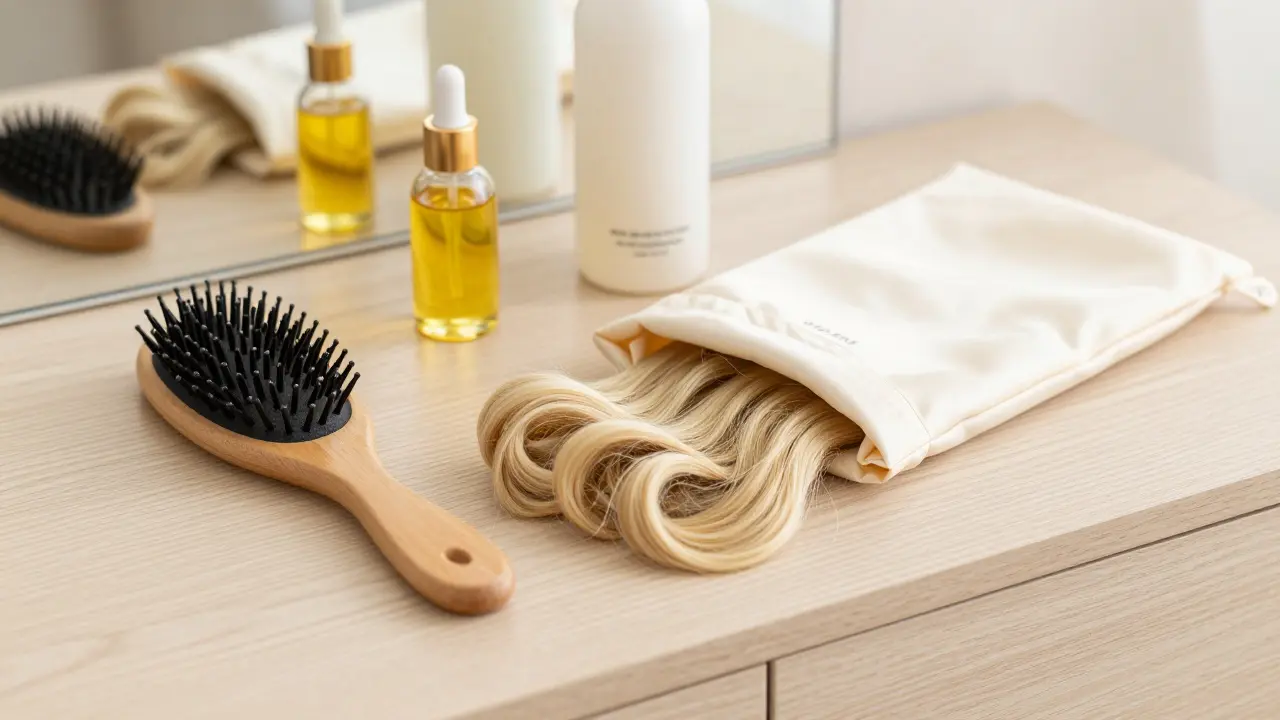
- The Storage Secret: Store them flat in a Storage Bag or a dedicated box. Don't just throw them in a drawer. If they get crushed or tangled in other items, you'll spend twenty minutes brushing them out before every use, which wears down the hair fibers.
Common Pitfalls to Avoid
One of the most frequent mistakes is using the wrong products. Avoid using heavy oils or waxes that build up on the hair. While a little argan oil is great for shine, too much of it attracts dust and lint, which makes the hair feel heavy and "dirty" faster. This leads to more frequent washing, which, ironically, shortens the lifespan of the hair.
Another trap is over-clipping. If you use too many pieces in one small area, you create a "tug-of-war" effect on your natural roots. This doesn't just damage your scalp; it puts unnecessary stress on the wefts of the extensions, causing the hair to shed from the clip. Space them out naturally to keep both your real hair and the extensions healthy.
Can I dye my clip-in extensions?
You can dye human hair extensions, but it's risky. Because the hair has already been processed, adding more chemicals can make it brittle. It's always better to buy the shade you want. If you must dye them, use a semi-permanent color or a deposit-only dye to avoid damaging the cuticles.
How often should I actually wash my clip-ins?
Generally, every 10 to 15 wears is a good rule of thumb. If you use a lot of dry shampoo or hairspray, you might need to wash them sooner. The goal is to wash them as infrequently as possible while still keeping them fresh.
Do synthetic extensions ever last as long as human hair?
Rarely. While some high-end synthetic fibers are more durable than others, they cannot be conditioned or treated the same way. Synthetic hair will eventually "pill" or frizz due to friction, whereas human hair can be rejuvenated with a deep conditioning mask.
Why are my extensions tangling so fast?
Tangles usually happen at the nape of the neck where the hair rubs against your clothes. To prevent this, try using a silk scarf around your neck if you're wearing a high-collar coat, and always brush the back section of your hair more frequently than the top.
Is it worth spending more on Remy hair?
Yes, if you plan to wear them regularly. Remy hair lasts significantly longer because the cuticles are aligned, meaning it tangles less and holds moisture better. It's a higher upfront cost, but the cost-per-wear is actually lower because you won't have to replace them every few months.
Next Steps for Your Hair Journey
If you're just starting out, start with a small set of a few pieces to see how your hair reacts to the clips. If you find that your hair is too fine to hold the weight, you might want to look into "halo" extensions or tape-ins. For those who already have a set, try implementing a "weekly reset" where you deep condition the extensions and carefully store them for a few days to let them breathe.
If you've noticed your current set is starting to look dull, don't throw them away immediately. Try a clarifying shampoo to remove product buildup, followed by a professional-grade hair mask. Often, what looks like "dead" hair is actually just a layer of old hairspray and silicone that needs to be stripped away to reveal the healthy hair underneath.


Wilda Mcgee
April 18, 2026 AT 20:29This is such a goldmine of info! I've found that adding a tiny drop of jojoba oil to the ends of my Remy hair makes them look absolutely dazzling and keeps the frizz at bay for ages. It's like a little magic potion for your locks!
Flannery Smail
April 20, 2026 AT 09:20Idk why everyone is obsessed with Remy hair. Standard synthetic stuff is honestly fine if you just want volume for a weekend and don't feel the need to spend a fortune on something that's just gonna tangle anyway.
Ian Maggs
April 22, 2026 AT 03:20The transient nature of beauty... is it not fascinating??? To spend so much effort maintaining a facade of permanence in a world that is essentially ephemeral...!!!
Michael Gradwell
April 22, 2026 AT 03:42most people just dont have the discipline to follow a routine like this. if your hair looks like straw its probably cuz you were lazy with the conditioner. simple as that
Emmanuel Sadi
April 22, 2026 AT 21:20Imagine paying a premium for 'Remy' hair just to treat it like a piece of plastic. The irony is delicious. Most of you probably can't even tell the difference until the friction frizz kicks in and you realize you wasted your paycheck on a glorified wig.
Madeline VanHorn
April 24, 2026 AT 18:30Only people with no taste use synthetic hair. It looks fake and feels cheap. If you can't afford real human hair, maybe just stick to your natural look instead of looking like a doll.
Glenn Celaya
April 25, 2026 AT 11:17honestly the struggle is real when the clip mechanisms start failin. i had a set that literally just slid out of my head mid-date because the grip was gone. totaly embarassing and just plain sad’
Priyank Panchal
April 27, 2026 AT 08:52Stop arguing about the price and just follow the damn guide. If you can't handle the maintenance, don't buy the extensions. Period.
Nicholas Carpenter
April 27, 2026 AT 12:56I think it's great that there are options for everyone, regardless of budget. Whether you go for synthetic or human hair, the most important thing is that you feel confident and happy with your look!
Chuck Doland
April 28, 2026 AT 17:45One must consider that the pursuit of aesthetic perfection often leads to a paradoxical cycle of maintenance. The meticulous care described herein is not merely a chore, but a ritual of self-preservation for the material. It is imperative to recognize that the longevity of the product is directly proportional to the discipline of the user. Furthermore, the psychological impact of a well-maintained appearance cannot be overstated, as it reflects an internal order mirrored in one's external presentation. We must acknowledge the intersection of chemistry and vanity. The degradation of synthetic polymers is an inevitable march toward entropy. In contrast, human hair, while organic, requires a level of hydration that mimics biological necessity. To neglect this is to invite the very 'fatigue' the author describes. Truly, the art of the extension is the art of patience. We are not merely clipping hair; we are managing an illusion. The careful storage of these pieces is akin to preserving a fine painting. One does not simply throw a masterpiece in a drawer. The precision of a wide-tooth comb is the only defense against the chaos of tangles. It is a disciplined approach to a superficial goal. Such is the nature of modern beauty standards. We strive for a seamless integration of the artificial and the natural. When the clips fail, the illusion shatters. Thus, the structural integrity of the metal is as vital as the luster of the follicle. Precision is the only path to longevity.
Chris Atkins
April 29, 2026 AT 20:58thanks for sharing this info its super helpful for anyone trying to keep their hair looking fresh