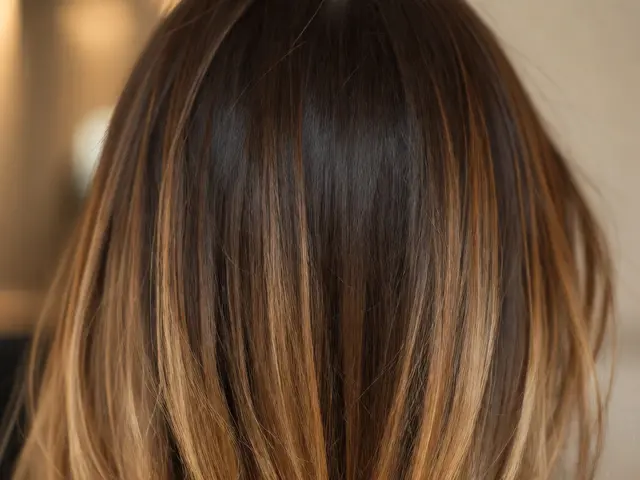

You’ve probably heard the horror stories. Someone dyes their hair jet black for a fresh look, only to regret it three weeks later. Or maybe you tried a trendy electric blue, and now your shower drain is permanently stained teal. But which color actually gives stylists the biggest headache? Is it the deep, inky black that seems to stain your soul? Or is it the vibrant fashion shades that refuse to fade?
Here’s the short answer: permanent black is generally the hardest color to get out of your hair completely. It penetrates deep into the hair shaft and binds tightly with the cortex. However, if you have bleached or porous hair, vivid blues and greens can be just as stubborn, leaving behind muddy residues that are incredibly difficult to lift. Let’s break down why these colors stick around and what you can actually do about them.
The Science Behind Stubborn Pigments
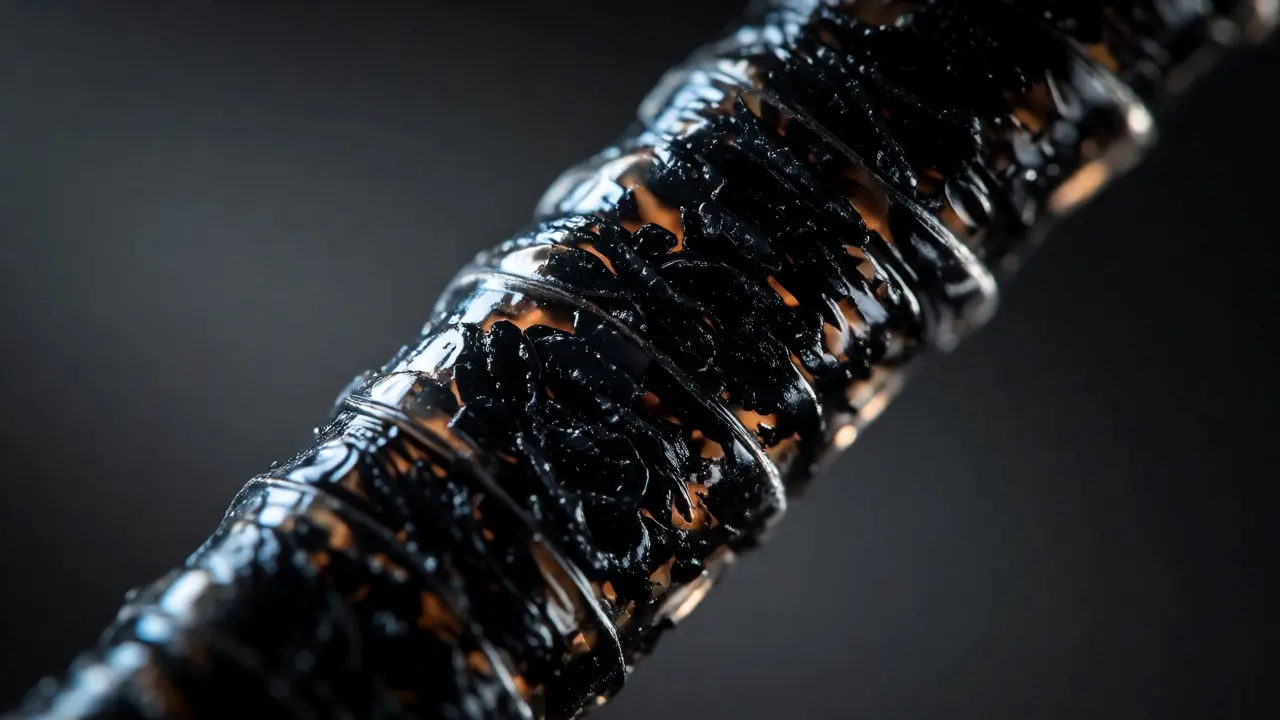
To understand why some colors won’t budge, you need to know how dye works. Not all dyes are created equal. Permanent hair dye uses chemicals like ammonia and hydrogen peroxide to swell the cuticle (the outer layer of your hair). This allows tiny, colorless precursor molecules to slip inside the cortex (the inner core). Once inside, they react with oxygen to form larger, colored molecules that are too big to escape. That’s why permanent dye doesn’t wash out; it’s trapped inside the fiber.
Semi-permanent and direct dyes, on the other hand, usually sit on the outside or slightly penetrate the cuticle. They don’t use developers, so they fade over time. But here’s the catch: if your hair is damaged or previously bleached, the cuticle is already raised. Direct dyes can soak deep into these gaps and stain the protein structure itself, acting almost like permanent ink.
Why Permanent Black Takes the Crown
If we’re talking about overall difficulty and damage risk, black wins. Celebrity colorist Mark DeBolt notes that overly dark color is one of the most common requests for correction. Why? Because black box dyes often contain high concentrations of dark pigment intermediates. When you apply this repeatedly, you’re not just coloring the surface; you’re packing the cortex full of heavy, dark molecules.
Removing black isn’t just about washing it away. You have to chemically shrink those large molecules back down so they can exit the hair shaft. This process, often called a "color remover" or "bleach bath," is risky. If done incorrectly, you might end up with orange or brassy tones because the underlying warm pigments are exposed as the black fades. Worse, aggressive attempts to strip black can lead to severe breakage. As celebrity colorist Rita Hazan warns, your hair might break before the black fully disappears.
| Color Type | Penetration Depth | Fading Speed | Removal Risk | Common Residue |
|---|---|---|---|---|
| Permanent Black | Deep Cortex | Very Slow | High (Breakage) | Orange/Brown |
| Vivid Blue/Green | Cuticle/Cortex (if porous) | Moderate to Fast | Medium (Staining) | Teal/Turquoise |
| Vivid Red | Cortex | Fastest Fade | Low to Medium | Brassiness |
| Pastel/Direct Dye | Surface/Cuticle | Fast | Low | None (usually) |
The Blue and Green Paradox
While black is tough, many people on Reddit’s r/HairDye argue that blue and green are worse. Here’s why they aren’t wrong. If you have virgin, untreated dark hair, blue dye might just wash out in a few weeks. But if you’ve ever lightened your hair-even once-the situation changes drastically.
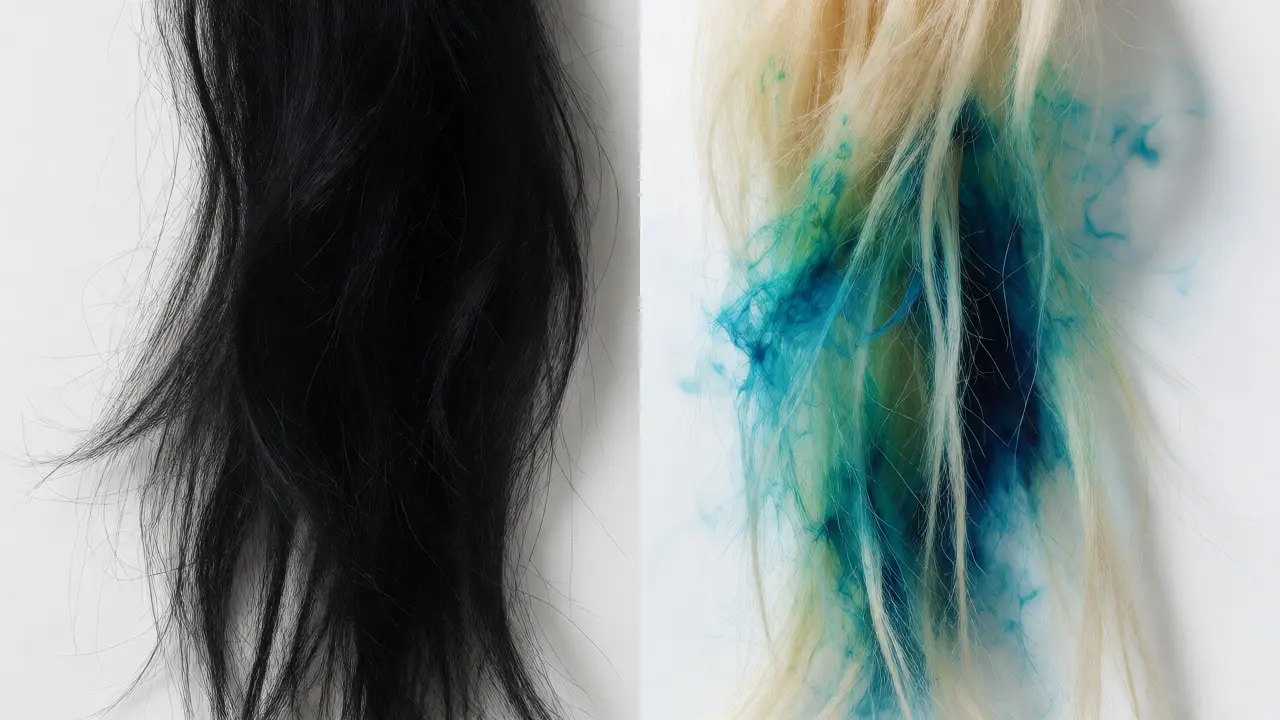
Bleached hair is porous. Think of it like a sponge versus a sealed tile. A sponge absorbs everything. When you apply a semi-permanent blue dye to bleached hair, the pigment soaks deep into the open cuticle layers. Even after the visible blue fades, microscopic particles remain lodged in the protein bonds. This leaves a stubborn turquoise, teal, or gray cast that refuses to go away. Master colorist Shelley Gregory points out that cooler colors persist longer because their molecular structure has more staying power.
So, while black requires heavy chemical lifting, blue and green require patience and toning to neutralize the residual stains. For someone with bleached blonde hair trying to return to natural brown, a ghost of blue-green can make the final result look muddy rather than clean.
What About Red?
Red is tricky because it behaves differently depending on the formula. Studies show that permanent red dyes often have poorer wash fastness than other colors, meaning they fade faster during regular shampooing. The molecule size in many red dyes is smaller, allowing them to slip out more easily.
However, red has a nasty side effect: brassiness. As red pigment breaks down or is oxidized by sunlight and heat, it shifts toward orange and yellow tones. If you’re trying to go from red to blonde, you’ll likely pass through an awkward stage where your hair looks like a traffic cone. While the red itself might fade relatively quickly, correcting the resulting orange tone can take multiple sessions. So, red isn't necessarily "harder" to remove than black, but it creates specific aesthetic challenges that frustrate clients.
Factors That Change Everything
It’s not just about the hue. Several variables determine how hard it will be to change your hair color:
- Porosity: Damaged, bleached, or chemically treated hair absorbs dye deeper and holds it longer. Healthy, virgin hair releases color more easily.
- Dye Type: Permanent oxidative dyes are much harder to remove than semi-permanent or temporary sprays.
- Application History: One application of black is easier to fix than five applications over two years. Layers of artificial pigment compound the problem.
- Target Shade: Going from black to platinum blonde is exponentially harder than going from black to dark brown.
How to Safely Remove Stubborn Color
Don’t reach for household bleach immediately. That’s a recipe for fried ends. Instead, consider these professional-grade approaches:
- Clarifying Shampoo: For semi-permanent colors, start here. Look for shampoos with sulfates or chelating agents. These help lift surface buildup without damaging the cortex.
- Color Remover: Products like Joico Color Eraser or similar reducing agents work by shrinking artificial dye molecules so they can wash out. They don’t lighten natural melanin, making them safer than bleach for returning to natural color.
- Bleach Bath (Soap Cap): A mix of bleach, developer, and shampoo. This is gentler than straight bleach and good for lifting semi-permanent stains or fading permanent color gradually.
- Professional Correction: If you have black on bleached hair, or blue-green residue, see a stylist. They can use specialized bond builders and toners to manage the transition safely.
The American Academy of Dermatology advises caution when lightening hair by more than three shades, noting higher risks of damage. Always do a strand test first. Never assume that internet hacks like baking soda or vitamin C masks will work on permanent oxidative dyes. They might help with surface stains, but they won’t extract pigment from the cortex.
Final Verdict
If you had to pick one winner for the hardest color to remove, it’s permanent black. Its combination of deep penetration, high pigment load, and the dramatic contrast required to lift it makes it the ultimate challenge. However, if you have bleached hair, vivid blue and green can give black a run for its money due to persistent staining.
Remember, no removal method guarantees a perfect return to your original natural color. Hair is a biological material, not a plastic canvas. Once you alter its structure, you’re managing damage as much as color. Patience, proper products, and professional guidance are your best tools for navigating the colorful minefield of hair correction.
Is black or blue hair harder to remove?
Generally, permanent black is harder to remove entirely because it deeply penetrates the hair cortex and requires strong chemical reduction to lift. However, blue and green can leave stubborn stains on bleached or porous hair that are difficult to neutralize, even if they fade faster than black.
Why does my hair turn orange when I try to remove black dye?
Black dye covers up the natural warm undertones (red and orange) in your hair. As the black pigment is lifted or broken down, these underlying warm tones become visible again. This is a normal part of the lightening process and usually requires toning to achieve a cool, natural shade.
Can baking soda remove permanent hair dye?
Baking soda can help fade semi-permanent or temporary colors by opening the cuticle slightly, but it is rarely effective at removing permanent oxidative dye from the cortex. Overusing baking soda can also dry out your hair, leading to breakage.
How long does it take to grow out black hair dye?
On average, hair grows about half an inch per month. To completely grow out black dye, it typically takes 6 to 12 months, depending on your desired length and whether you choose to cut off the dyed ends sooner.
Does red hair dye fade faster than black?
Yes, red dye molecules are often smaller and less stable, causing them to wash out faster than black or blue. However, the remaining pigment can shift to brassy orange tones, which may require additional correction steps.