

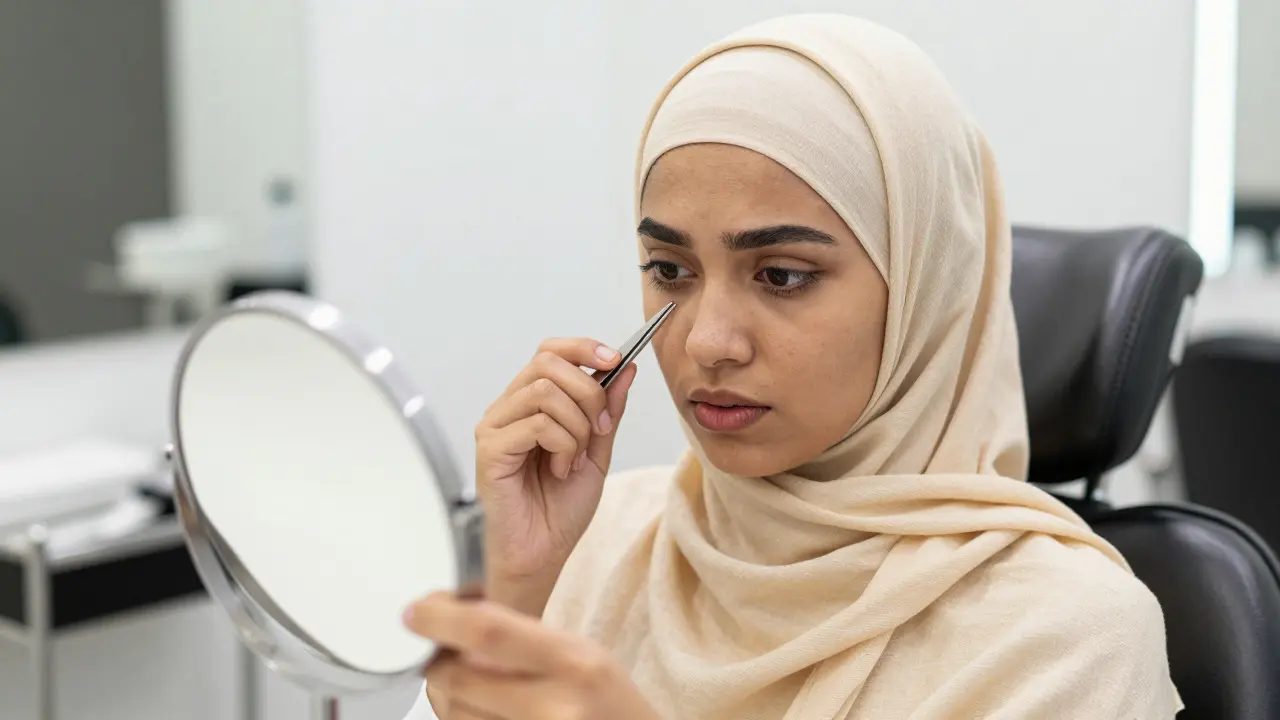
Walking into a salon and asking to "just clean up my brows" is a routine for millions of women worldwide. But for Muslim women, that simple request often comes with a heavy mental load. You wonder if you're about to commit a sin, or if the mirror will show you a face that isn't quite right according to your faith. The confusion stems from a mix of cultural traditions and religious texts that don't always align perfectly.
The short answer is nuanced. It depends entirely on how you change the shape and who sees the result. If you are looking for a definitive guide on whether a woman can make eyebrows in Islam, this breakdown covers the major scholarly opinions, the specific methods involved (like waxing vs. plucking), and how modern tools like an eyebrow wax pen fit into these rulings.
The Core Ruling: Changing Creation vs. Grooming
To understand the debate, you have to look at the foundational texts. The primary source most scholars cite is a hadith reported by Aisha, the wife of the Prophet Muhammad (peace be upon him). In this narration, the Prophet forbade two groups of people: those who pluck their eyebrows and those who receive plucking in return, calling them "not of the believers." This is the text that causes the most anxiety for many women today.
However, context matters in Islamic jurisprudence (fiqh). Scholars have debated what exactly constitutes "plucking" in this context. There are generally three main schools of thought regarding eyebrow waxing and shaping:
- Strict Prohibition: Some scholars argue that any removal of hair from the eyebrows to change their natural shape is haram (forbidden). They view the eyebrows as part of Allah's creation that should not be altered for cosmetic reasons.
- Conditional Permission: Other scholars allow trimming or removing excess hair only if it serves a practical purpose, such as removing hairs that grow into the eyes or cause irritation. In this view, the goal is hygiene, not aesthetics.
- Cultural Context Interpretation: A third group argues that the prohibition was specific to the pre-Islamic Arabian practice where women would shave their eyebrows completely or tattoo them to mimic different ethnic features. Therefore, light grooming to tidy up the shape is permissible, provided it doesn't radically alter the natural look.
Most contemporary scholars lean toward the middle ground: significant alteration is discouraged, but minor maintenance is often accepted, especially when considering social norms in non-Muslim countries where un-groomed brows might be seen as unkempt.
Who Can See Your Brows? The Issue of Hijab
This is where the ruling gets tricky for modern Muslims. The permissibility of changing your appearance often hinges on the concept of fitrah (natural state) and zina (adultery/fornication). The general rule in Islam is that a woman should not adorn herself excessively in front of men who are not her mahram (close relatives).
If you wear hijab and keep your makeup minimal, does shaping your eyebrows count as "adornment"?
- In front of Mahram: Most scholars agree you can groom your brows however you like in front of your husband, mother, sisters, and other close female relatives. There is no restriction here.
- In front of Non-Mahram Men: If you work in a professional environment or attend university, you are visible to men who are not your relatives. Many scholars advise keeping the brow shape natural in these settings. The logic is that dramatic changes (like very thin, arched, or filled-in brows) are considered part of the "beauty" that should be reserved for the husband.
- The "Default" Look: If your natural eyebrows are bushy or unruly, some scholars permit trimming them down to a standard, neat shape so they don't look messy. The key word is "neat," not "stylized."
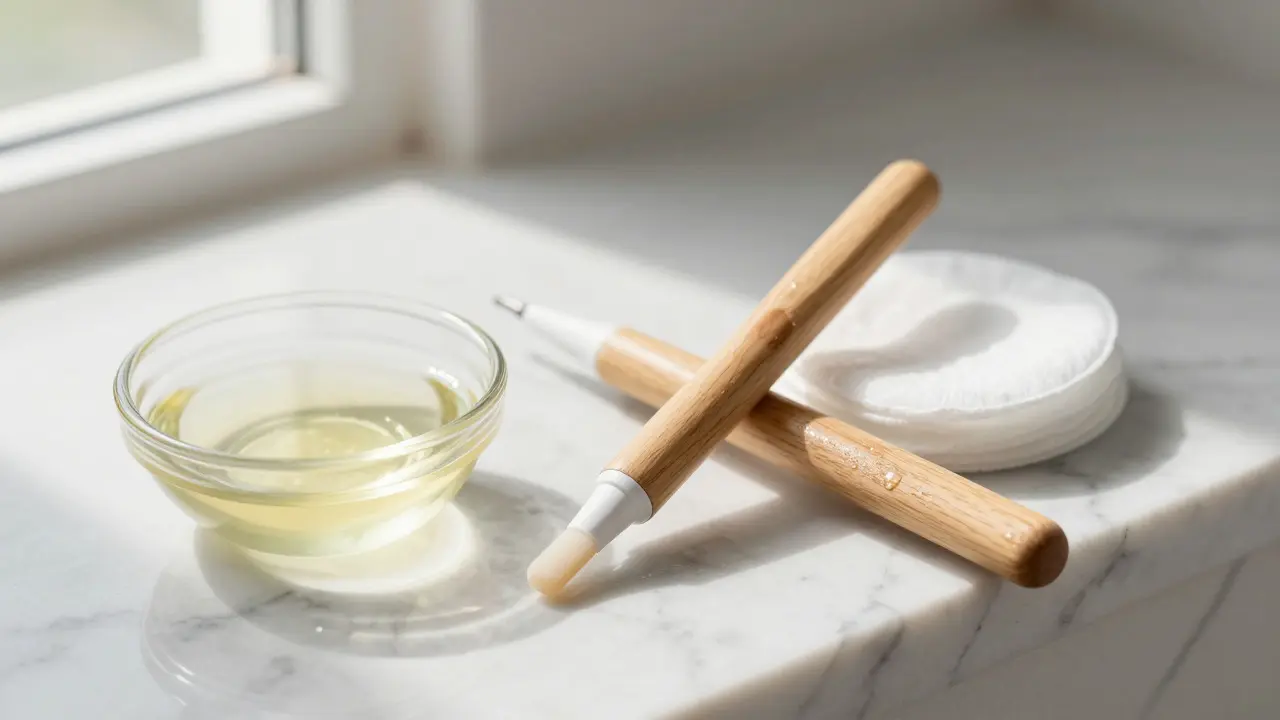
So, can you use an eyebrow wax pen is a small, precise tool used for removing fine facial hair. It allows for targeted removal without the bulk of a full wax strip. While the tool itself is neutral, the result matters. Using a wax pen to remove stray hairs around the temple or under the brow is widely accepted. Using it to sculpt a high arch that didn't exist naturally is where opinions diverge.
Waxing vs. Plucking: Does the Method Matter?
You might wonder if using hot wax is different from pulling hairs out with tweezers. Technically, both remove the hair from the root. However, the experience and the end result differ slightly, which influences how some people perceive the act.
| Method | Precision Level | Common Scholarly View | Risk of Alteration |
|---|---|---|---|
| Tweezing | High | Permitted for stray hairs; debated for shaping | Medium (can create sharp lines) |
| Hot Wax / Wax Pen | Medium-High | Generally viewed same as tweezing | Low-Medium (follows natural contour better) |
| Threading | Very High | Often criticized for creating unnatural shapes | High (can remove too much hair) |
| Trimming (Scissors) | Low | Widely permitted for length control | Low (does not remove hair from root) |
An eyebrow wax kit is a set of products including wax, applicators, and soothing oils designed for home use. For women who want to maintain control over their appearance, these kits offer a convenient alternative to salons. The advantage of a wax pen specifically is its size. Because it's small, you are less likely to accidentally wax a large section of skin, which reduces the risk of creating a