

Quick Tips for a Clear Face
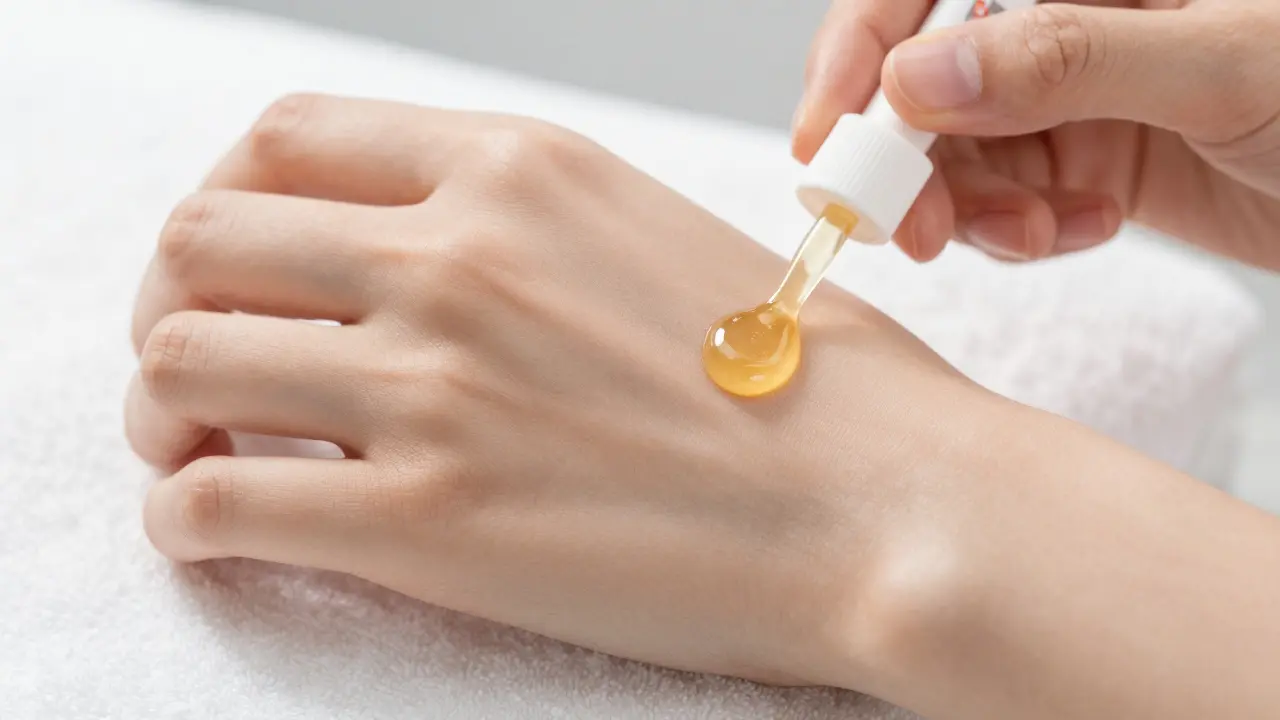
- Always patch test on your wrist before touching your face.
- Avoid using retinoids or AHAs for at least 7 days before waxing.
- Use a cold compress immediately after to calm inflammation.
- Skip the heavy moisturizers for 24 hours to avoid clogged pores.
Understanding Different Wax Formulas
Not all wax is created equal. If you use a high-temperature wax designed for legs on your delicate facial skin, you're asking for a chemical burn. To get a clear result, you need to match the formula to the area.
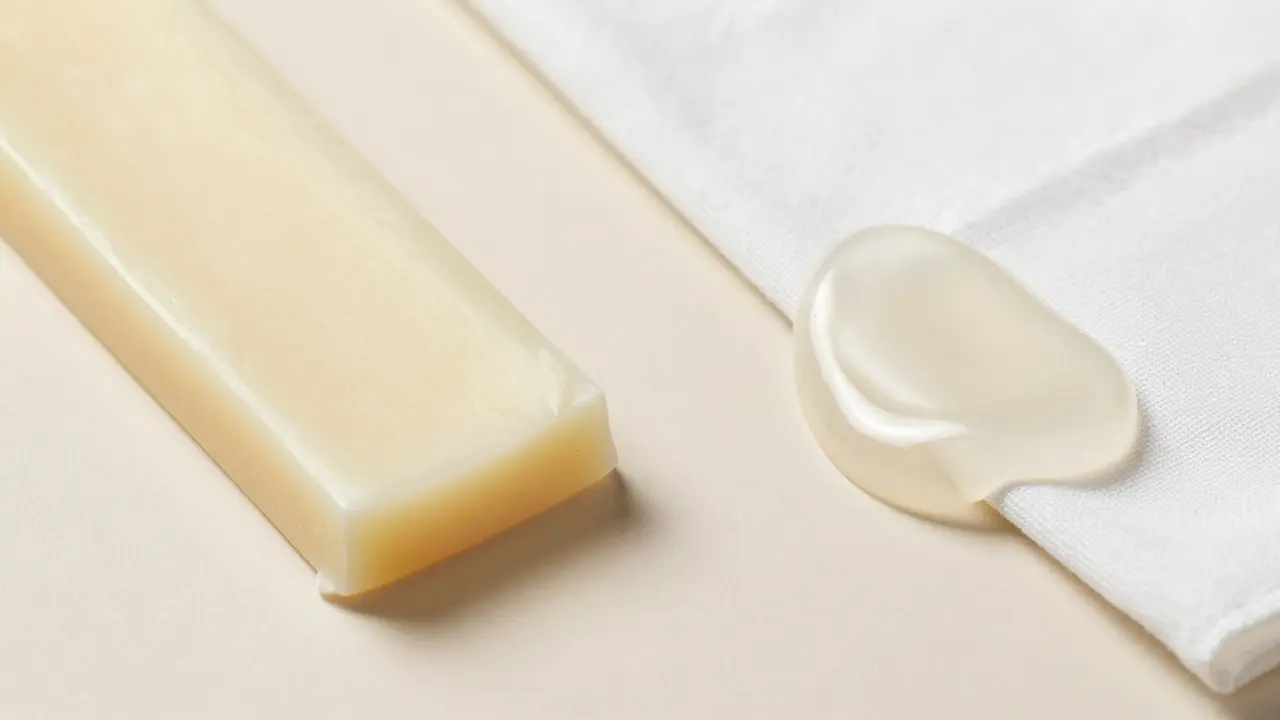
Hard Wax is a polymer-based wax that hardens on its own without the need for fabric strips. It's the gold standard for the face because it grips the hair, not the skin. This means less trauma to the epidermis and a lower chance of lifting the skin. For example, if you're clearing up a small area like the chin, hard wax is your best bet because it's gentler on sensitive follicles.
Soft Wax, unlike hard wax, requires a muslin or paper strip to pull the wax from the skin. This is often more efficient for larger areas, like the entire cheek area or sideburns, but it can be more aggressive. If you have thin skin, soft wax can sometimes cause micro-tears, which is why you might see tiny red dots after a session.
| Feature | Hard Wax | Soft Wax |
|---|---|---|
| Skin Adhesion | Low (Grips Hair) | High (Grips Skin) |
| Application | No strips needed | Requires strips |
| Pain Level | Generally Lower | Moderate to High |
| Best For | Brows, Upper Lip, Chin | Cheeks, Sideburns |
The Pre-Wax Prep: Setting the Stage
You can't just slap wax on a face and expect it to be clear. Preparation is where most people fail. If your skin is too oily, the wax won't grip; if it's too dry, the skin will tear. Start by cleansing your face with a mild, non-abrasive cleanser. Avoid any products containing alcohol, as these can dry out the skin and make it more prone to irritation.
A pro move is to apply a tiny bit of cornstarch or a specialized pre-wax powder. This creates a barrier between your skin and the wax, absorbing excess sebum. If you've ever noticed the wax "sliding" or not pulling the hair from the root, it's usually because of surface oils. By keeping the skin matte, you ensure the wax formulas work exactly as intended, pulling the hair cleanly without dragging the skin.
Step-by-Step Guide to Clearing Your Face
If you're doing this at home, precision is everything. Follow these steps to avoid the common pitfalls that lead to breakouts.
- Temperature Check: Test the wax on the inside of your wrist. It should be warm, not hot. If it's too hot, you'll compromise the skin barrier, leading to "wax burns" that can leave permanent scars.
- Directional Application: Apply the wax in the direction of hair growth. This is non-negotiable. If you apply against the grain, you're more likely to break the hair shaft rather than pull the root, which leads to ingrowns.
- The Quick Pull: Once the wax has set (for hard wax) or the strip is applied (for soft wax), pull in the opposite direction of growth. Do this in one swift, decisive motion. Do not pull upward; pull parallel to the skin. Pulling "up" is how you get bruising.
- Pressure Application: Immediately after the pull, press your palm firmly against the area for three seconds. This tricks the nerve endings and calms the immediate sting, reducing the inflammatory response.
Post-Wax Recovery: How to Stay Clear
The 48 hours after waxing are critical. Your pores are wide open, and your skin is slightly traumatized. This is when most people make the mistake of applying a heavy cream or a fragranced lotion, which pushes bacteria into the open follicle and causes a breakout.
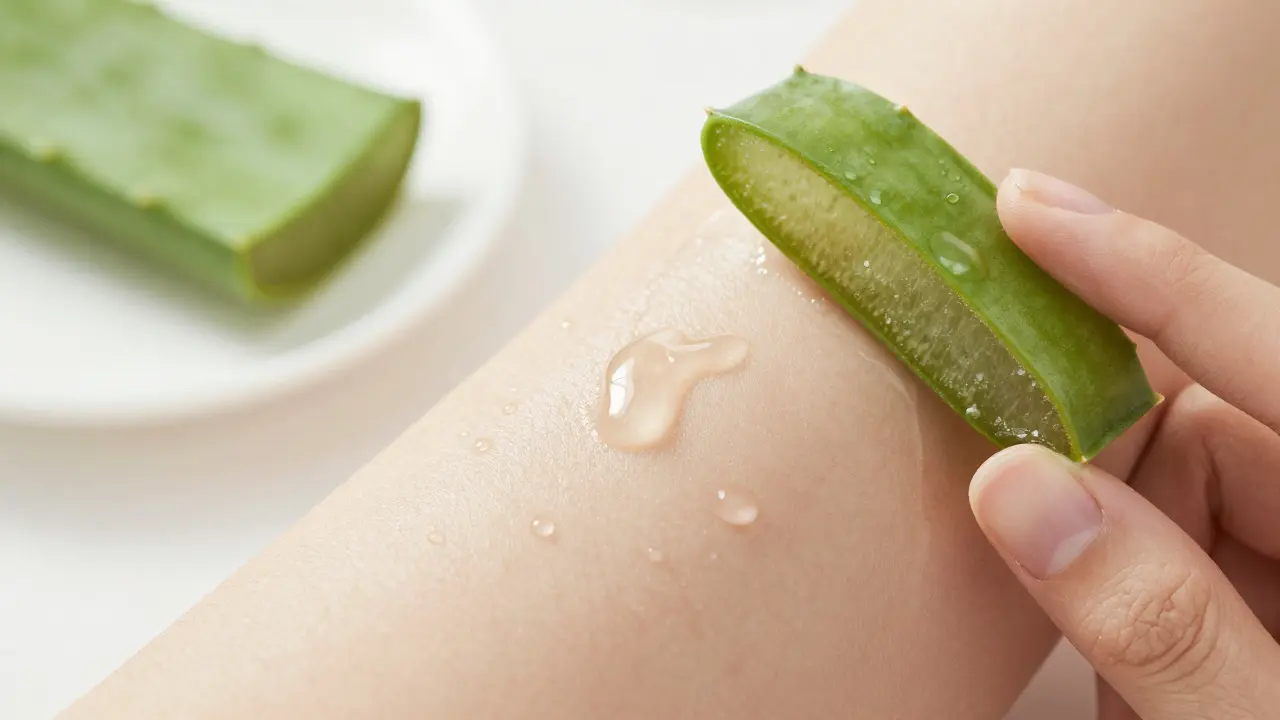
Instead, use Aloe Vera is a soothing plant extract known for its cooling and anti-inflammatory properties . Pure aloe vera gel helps close the pores and reduces redness without clogging them. Avoid makeup for at least 12 hours. If you must go out, a light mineral powder is a safer bet than a heavy foundation.
Avoid direct sunlight for a day. Waxing exfoliates the top layer of dead skin, making your face significantly more sensitive to UV rays. If you hit the beach the day after a facial wax, you're risking hyperpigmentation or sunspots in the areas you just cleared.
Common Pitfalls and How to Fix Them
What happens when things go wrong? We've all been there. If you accidentally rip a piece of skin, don't panic. Stop waxing immediately. Apply a tiny bit of antibiotic ointment and leave it alone. Do not try to "fix" it by applying more products.
If you notice small white bumps (folliculitis), it's usually a sign that bacteria entered the follicle. Avoid picking at them. Use a cold compress and a very mild salicylic acid cleanser every other day to gently clear the pore. In the future, ensure your tools-like your spatula and wax warmer-are sanitized with 70% isopropyl alcohol before every use.
Another common issue is the "wax residue." Some formulas leave a sticky film. Instead of scrubbing your skin (which will irritate it further), use a small amount of baby oil or a specialized post-wax cleanser on a cotton pad. Gently wipe the area; the oil breaks down the wax polymers without stressing the skin.
Can I wax my face if I have acne?
It is generally not recommended to wax over active breakouts. Waxing an inflamed pimple can tear the skin, spread bacteria to neighboring pores, and lead to scarring. Wait until the inflammation has subsided or only wax around the clear areas of your face.
How often can I wax my face to keep it clear?
Most professionals recommend waiting 3 to 6 weeks between sessions. This allows the hair to reach the correct length (about 1/4 inch) for the wax to grip and gives your skin's natural barrier time to recover from the exfoliation process.
Why do I get breakouts after waxing?
Post-wax breakouts usually happen for two reasons: trapped bacteria or clogged pores. Because the follicles are open, applying heavy creams or touching your face with dirty hands can introduce bacteria. This causes follicular inflammation or small whiteheads.
Does facial waxing cause more hair to grow back?
No, this is a common myth. Waxing removes the hair from the root, which does not change the number of follicles you have. In fact, over time, some hairs may grow back finer or thinner because the follicle becomes slightly damaged from repeated pulling.
Which is better for the face: threading or waxing?
It depends on your skin. Threading is often better for those using prescription acne medications or retinoids because it doesn't involve chemicals or heat. However, waxing is generally faster and can remove a larger amount of hair in one go, making it better for those with more facial hair growth.
Next Steps for Your Skin Journey
If you're just starting, begin with the eyebrows. It's the smallest area and the easiest to manage. Once you're comfortable with the temperature and the pull, move to the upper lip and chin. If you find that your skin is simply too reactive to any wax formula, consider looking into professional dermaplaning or threading as alternatives.
For those with very sensitive skin, try a "honey-based" wax formula. These often have a lower melting point and are naturally more moisturizing, which reduces the shock to the skin. Always keep a bottle of pure aloe vera in your fridge for a cooling post-wax treatment-your skin will thank you.

kelvin kind
April 5, 2026 AT 17:19Actually helpful guide.
Tiffany Ho
April 5, 2026 AT 21:39omg thank u for this!! i always forget the part about the retinoids and then my face just peels off lol so helpful
Sarah McWhirter
April 6, 2026 AT 00:54Sure, follow the "chemistry" of the wax, but has anyone actually looked into why these big beauty companies want us to strip our skin barriers? It's probably just to make us more susceptible to the chemicals in their "soothing" lotions. Just a thought for anyone who thinks their pores are actually "open" and not just reacting to industrial toxins
Ananya Sharma
April 6, 2026 AT 08:00It is absolutely preposterous to suggest that a simple cornstarch barrier is a "pro move" when in reality, the systemic failure of the home-waxing industry lies in the glorification of temporary fixes over the long-term dermatological health of the individual, and frankly, suggesting that one should simply "wait" for acne to subside ignores the deeper socio-economic stress factors that cause adult breakouts in the first place
Kenny Stockman
April 6, 2026 AT 17:25I think the point about the hard wax being better for the chin is spot on, man. I've seen way too many people mess up their skin trying to use those cheap strips on a small area when the polymer-based stuff is just way more forgiving
Ian Cassidy
April 7, 2026 AT 23:20The epidermal trauma from soft wax is real. If you don't keep the tension right, you're basically just doing a chemical peel with a side of bruising. Stick to the hard wax for the high-sensitivity zones to avoid that unwanted inflammation
Zach Beggs
April 9, 2026 AT 12:58I agree with the hard wax suggestion, it's definitely easier to control for beginners
Paritosh Bhagat
April 11, 2026 AT 03:09While I appreciate the sentiment of the post, I must point out that the phrasing in some of these sections is quite clumsy, though I say this with a smile! It is truly a tragedy that so many of us suffer through these beauty rituals just to fit a societal mold, and it honestly breaks my heart to think about the pain involved in a "quick pull," yet we continue to prioritize aesthetics over our own physical comfort and spiritual peace
Antonio Hunter
April 11, 2026 AT 17:10For those who are feeling hesitant about starting, I would suggest that you take your time and perhaps start with the most accessible areas as the guide mentions, because the learning curve for temperature control can be quite steep for someone who has never used a wax warmer before, and it is important to remember that patience is the most valuable tool in your kit to ensure that you do not cause any lasting damage to your skin barrier through haste or lack of preparation