
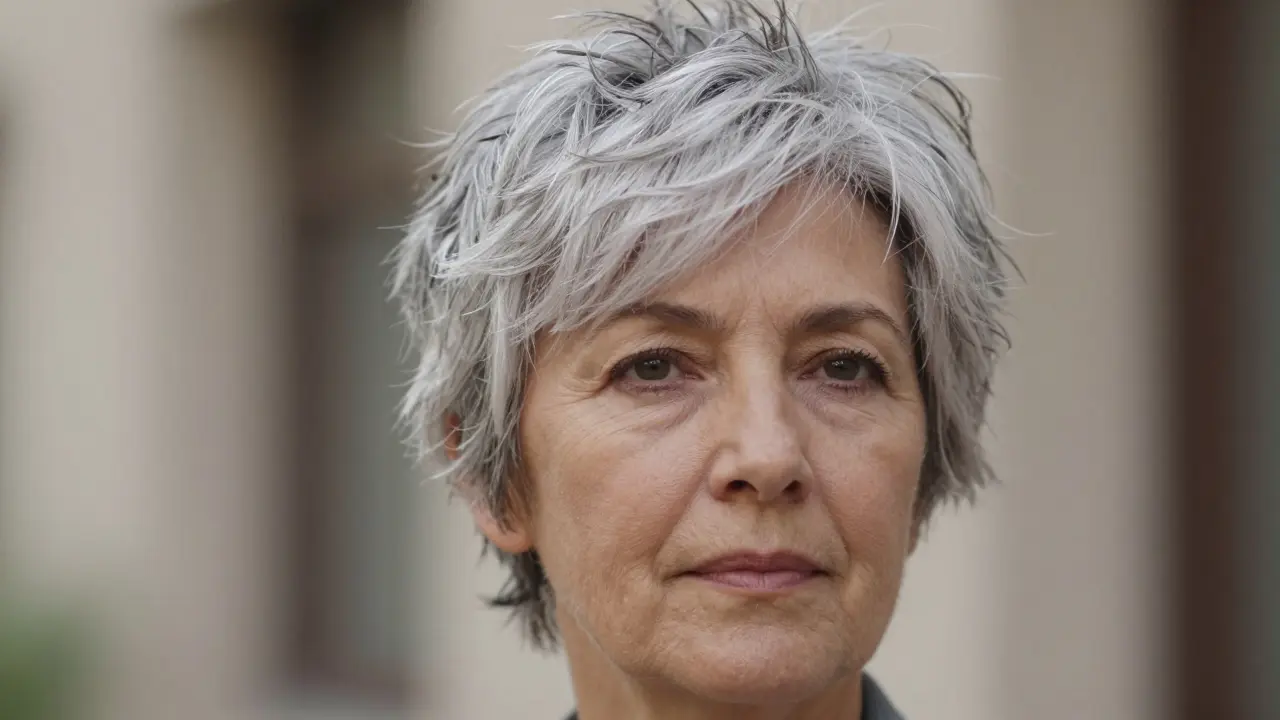
You’ve probably seen it in movies or on the street: a woman in her sixties with hair that stands up like a steel wool brush. It’s striking, confident, and undeniably bold. But does this look actually happen naturally? Do straight-haired women over fifty just wake up one day with extremely short, spiked locks? The short answer is no. Nature doesn’t usually hand out permanent spikes to aging hair without some help from gravity-defying products or specific cutting techniques.
However, there is a reason why this stereotype exists. As we age, our hair undergoes significant structural changes. For many women with naturally straight hair, the transition into their fifties and beyond brings a shift in texture, density, and behavior. When combined with the desire for low-maintenance styling, these biological shifts often lead to shorter cuts that can mimic a "spiky" appearance, even if the intent was simply practicality.
The Biology of Aging Hair: Why Straight Hair Changes
To understand why an older woman might sport a short, textured look, you have to look at what happens under the scalp. Hair follicles are living organs, and like everything else in the body, they age. One of the most common changes is a reduction in sebum production. Sebum is the natural oil your scalp produces to keep hair soft and manageable. When production drops, which it often does after menopause, hair loses its lubrication.
This loss of moisture leads to dryness. Dry straight hair behaves differently than hydrated straight hair. Instead of falling flat and sleek against the head, it becomes brittle and prone to frizz. This increased volume and lack of weight can cause strands to stick out rather than lay flat. If you cut this dry, voluminous hair very short, it has nowhere to go but up and out, creating a natural, albeit unstyled, spike effect.
Does hair texture change permanently after 50?
Yes, for many people. Hormonal shifts, particularly the drop in estrogen during menopause, can alter the protein structure of the hair shaft. Straight hair may become wavier or curlier, while thick hair often becomes finer. These changes are usually permanent and affect how hair responds to cutting and styling.
The Pixie Cut Phenomenon: Practicality Meets Style
While biology plays a role, choice plays a bigger one. The "spiked" look associated with older women is often a misinterpretation of the Pixie Cut, which is a popular short hairstyle characterized by very short sides and back, with slightly longer hair on top. This haircut has surged in popularity among women over fifty for reasons that have nothing to do with wanting to look like a punk rocker.
First, there is the factor of time. Many women in this demographic are balancing careers, grandchildren, and personal interests. Spending forty minutes blow-drying long, straight hair every morning is a luxury few want to give up their sleep for. A pixie cut requires minimal effort. You wash it, maybe apply a tiny bit of product, and you’re done. The "spikes" you see are often just the natural result of short hair growing out without the weight to pull it down.
Second, there is the issue of thinning. Thinning hair is a major concern for women as they age. Long, thin hair can look sparse and unhealthy, exposing the scalp. Short hair, however, creates the illusion of fullness. By keeping the hair short, especially around the crown, women can maximize the visual density of their remaining strands. A skilled stylist will use texturizing shears to remove bulk without removing length, allowing the hair to stand up slightly, adding volume where it’s needed most.
| Factor | Under 40 (Typical) | Over 50 (Typical) |
|---|---|---|
| Hair Density | Thicker, more strands per square inch | Finer, fewer strands, potential thinning |
| Oil Production | Higher sebum levels, softer feel | Lower sebum levels, drier, more brittle |
| Styling Time | Willing to spend 15-30 mins daily | Prefer 5-10 mins max, low maintenance |
| Texture Behavior | Predictable, follows genetic pattern | Unpredictable, may wave or frizz unexpectedly |
Why "Spiked" Is Often a Misnomer
When people describe older women’s hair as "extremely short and spiked," they are usually describing a Textured Crop, which is a modern variation of the pixie cut that uses layering to create movement and lift. True spikes require heavy-hold gels, waxes, or mousses. While some women do use these products, many others achieve a similar silhouette through cut alone.
A blunt cut on straight hair will lay flat. A layered cut, however, removes the weight that keeps hair down. When a stylist cuts layers into short, straight hair, the ends are lighter and more mobile. Without product, these ends might curl under or turn up slightly due to the hair’s internal memory or dryness. From a distance, this upward movement reads as "spiked." In reality, it’s just physics and geometry working together.
Furthermore, gray hair behaves differently than pigmented hair. Gray strands have a different cross-sectional shape-they are often flatter and coarser. This makes them more resistant to lying flat. A head full of silver or white hair, cut short, will naturally have more body and lift than dark hair of the same length. This contributes to the perception of a spikier style, even when the wearer hasn’t applied any styling aids.

Choosing the Right Short Cut for Your Face Shape
If you’re considering a short cut because you’re tired of managing long, straight hair, don’t jump into a "spike" blindly. The goal should be a style that complements your face shape and works with your hair’s new texture. Here is how to approach it:
- Oval Faces: You’re lucky; almost any short cut works. A classic pixie with side-swept bangs can soften features, while a shorter back and sides can highlight cheekbones.
- Round Faces: Avoid width at the sides. Look for height at the crown. A cut that is shorter on the sides and longer on top elongates the face, preventing the "spiky" look from widening your appearance.
- Square Faces: Soften strong jawlines with textured layers. Avoid blunt, horizontal lines. Ask for choppy ends that break up the severity of the jaw.
- Heart-Shaped Faces: Balance a wider forehead with volume at the chin. Side-parted pixies work well here, drawing attention downward.
Maintenance Myths: It’s Not Zero Effort
There is a pervasive myth that short hair is zero maintenance. This is false. Short hair reveals growth lines quickly. If you want a clean, polished look, you need trims every four to six weeks. If you let it grow out too long, the "spiky" look can turn into a "neglected" look, with uneven lengths sticking out in random directions.
Additionally, short hair exposes the scalp. If you have thinning areas, you’ll need to be strategic about parting and styling. Using volumizing shampoos and conditioners can help add body without weighing hair down. Avoid heavy oils or creams, which will flatten fine, aging hair instantly.
Consider using a light-hold sea salt spray or a matte paste if you want controlled texture. These products provide grip without the crunchy, wet look of traditional gel. They allow hair to move naturally while maintaining some structure, giving you that effortless, slightly tousled vibe that looks intentional rather than accidental.
Color Considerations for Short Styles
Short hair also interacts with color differently. With less hair to cover, root regrowth is more visible. If you color your hair, you’ll need touch-ups more frequently-every four to six weeks instead of eight to twelve. For many women, embracing their natural gray is the ultimate low-maintenance move. A short cut paired with silver hair is a powerful combination that signals confidence and ease.
If you choose to color, opt for balayage or highlights that blend seamlessly with your roots. This technique reduces the contrast between new growth and colored hair, making the style more forgiving between salon visits. Dark roots with lighter ends can also add dimension to flat, straight hair, creating the illusion of movement and depth.
Finding the Right Stylist
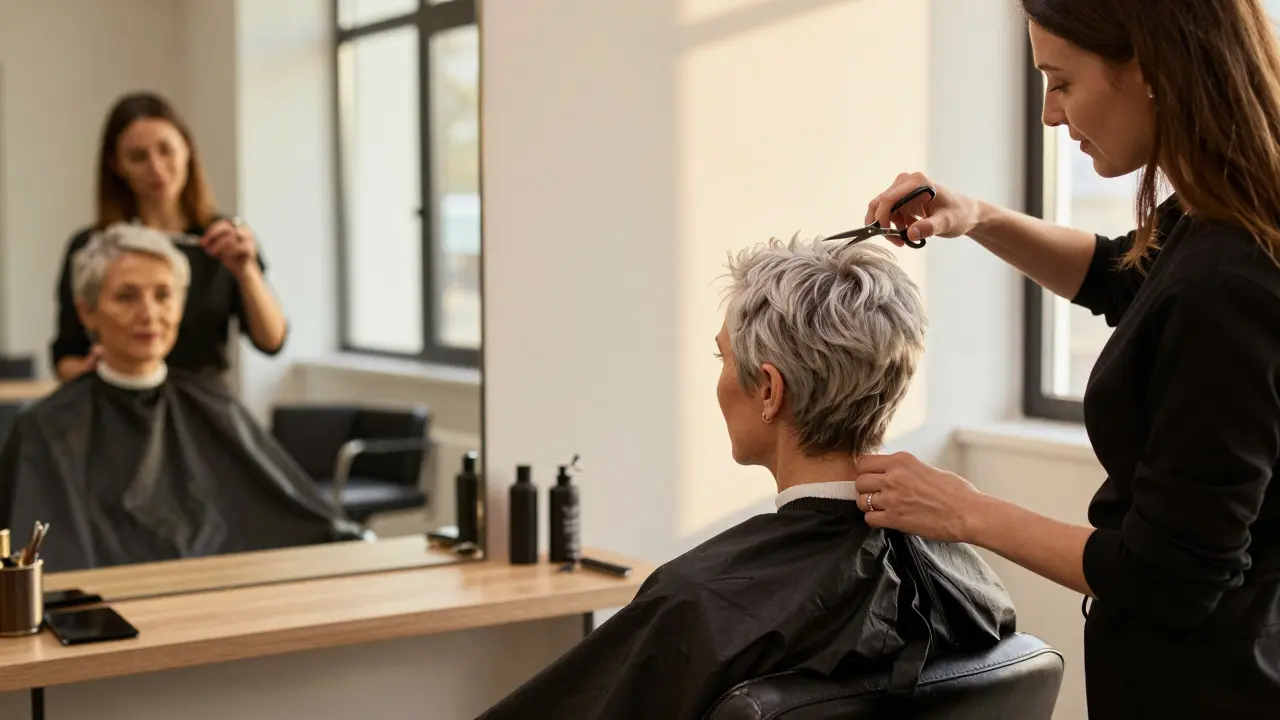
The success of any short haircut depends heavily on the skill of the person holding the scissors. Not all stylists are created equal when it comes to cutting hair for mature clients. Look for a stylist who specializes in short hair or has experience with aging hair textures. Bring photos of styles you like, but also be open to their advice. They can tell you what your hair will actually do versus what you hope it will do.
Communicate clearly about your lifestyle. If you swim, exercise, or work outdoors, let them know. They can tailor the cut to withstand humidity, sweat, and wind. A good stylist will cut your hair based on how it falls when dry, not just when wet. This ensures the style works for you in real life, not just in the salon chair.
Conclusion: Embracing Change with Confidence
So, do straight older women have extremely short spiked hair? Not by default. But many choose short, textured cuts because they are practical, flattering, and empowering. The "spikes" are often just the natural result of shorter, drier, and grayer hair behaving according to its new physical properties. Rather than fighting these changes, many women embrace them, turning biological necessity into a stylish statement.
If you’re thinking about going short, remember that it’s a journey. Start with a conservative cut and shorten it gradually. Experiment with products to find what gives you the hold and texture you want. Most importantly, choose a style that makes you feel confident and comfortable. Your hair is a reflection of you, and at any age, it deserves to be treated with care and intention.
Will a pixie cut make my face look older?
Not necessarily. A well-cut pixie can actually rejuvenate your appearance by lifting the eyes and highlighting facial features. The key is to avoid overly severe or angular cuts. Soft layers and side-swept bangs tend to be more youthful and flattering than blunt, geometric shapes.
How often should I trim a short pixie cut?
For a sharp, maintained look, aim for a trim every 4 to 6 weeks. If you prefer a more relaxed, grown-out look, you can stretch this to 8 weeks, but be prepared for more texture and less definition. Regular trims prevent split ends and maintain the shape of the cut.
Can I wear a pixie cut if my hair is thinning?
Absolutely. Short hair is often recommended for thinning hair because it creates the illusion of fullness. Long, thin hair can look sparse and emphasize scalp visibility. A short cut adds volume and body, making thinning less noticeable. Consult with your stylist about techniques like texturizing to enhance this effect.
What products are best for styling short, straight hair over 50?
Look for lightweight, hydrating products. Volumizing shampoos and conditioners help add body. For styling, try sea salt sprays for texture, matte pastes for control without shine, or light-hold hairsprays for finish. Avoid heavy gels or waxes that can weigh down fine hair or make it look greasy.
Is it hard to grow out a pixie cut?
It can be challenging due to awkward stages where hair grows out unevenly. To manage this, get regular trims to maintain shape as it grows. Use clips or headbands to tame unruly sections. Be patient; growing out a pixie takes time, but it’s entirely possible to transition back to medium or long hair.