

Staring at your reflection and wondering if you’re doomed to wear your hair back forever? That’s a common fear for anyone with a round face is a face shape characterized by equal width and length, soft angles, and full cheeks. People often worry that adding width across the forehead will make their face look wider. But here is the good news: you can absolutely rock curtain bangs are long, center-parted fringe pieces that frame the face and blend into the rest of the hair. In fact, when cut correctly, they are one of the most flattering styles for this specific face shape.
The key isn’t avoiding bangs; it’s choosing the right length, texture, and styling technique. This guide breaks down exactly how to pull off this look without widening your features. We’ll cover what to ask your stylist, how to style them at home, and which products actually work.
Why Curtain Bangs Work for Round Faces
You might think any horizontal line across your forehead is a no-go. While blunt, heavy bangs can sometimes shorten the appearance of your face, curtain bangs operate differently. They create vertical lines. By parting in the center and sweeping outward, they draw the eye up and down rather than side to side. This creates an illusion of length, which balances out the width of a round face.
Think of it like wearing a V-neck shirt instead of a turtleneck. The V-neck elongates the neck and torso. Similarly, the deep U-shape or V-shape of well-styled curtain bangs elongates the face. They also break up the symmetry of the face in a subtle way, adding angles where there are none. This softens the fullness of the cheeks without hiding them completely.
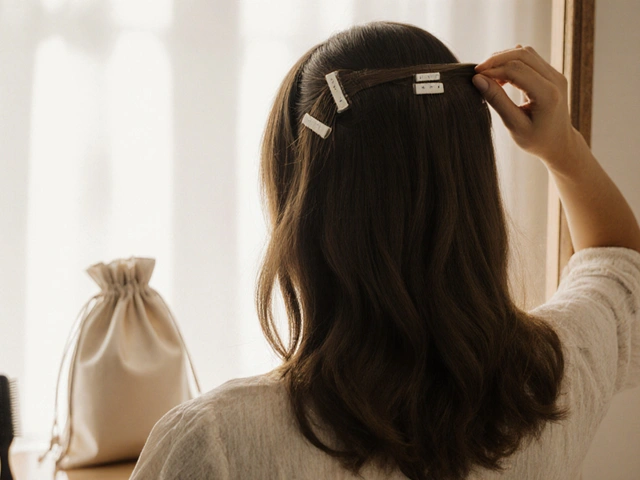
Another major benefit is versatility. Unlike traditional bangs that demand daily precision, curtain bangs grow out gracefully. If you have second thoughts, you can clip them back easily. This low-commitment nature makes them perfect for testing the waters before going all-in on a major haircut change.
Choosing the Right Length and Cut
Not all curtain bangs are created equal. For a round face, the length is critical. You want to avoid short, choppy pieces that end right at the cheekbones, as these can emphasize width. Instead, aim for bangs that hit somewhere between the cheekbone and the jawline. Ideally, they should graze just above or below the chin.
- Cheekbone-Length: Good for balancing wide foreheads, but ensure they are wispy, not thick.
- Jawline-Length: The sweet spot. These frames the face beautifully and adds structure.
- Shoulder-Length: Often called "face-framing layers," these provide the same benefits with even less maintenance.
Texture matters too. If you have fine hair, ask for some light texturizing to add volume at the roots. Volume at the crown lifts the visual weight upward, further elongating the face. If you have thick hair, ensure your stylist removes enough bulk so the bangs don’t look like two heavy curtains blocking your view. The goal is movement, not a wall of hair.
Avoid straight-across cuts. Even within the curtain style, the ends should be slightly angled or point-cut to create a soft, irregular edge. This prevents the harsh horizontal line that we are trying to avoid.
Styling Techniques to Elongate Your Face
Cutting the bangs is only half the battle. How you style them determines whether they slim or widen your face. The golden rule for round faces is: volume at the root, sweep at the sides.
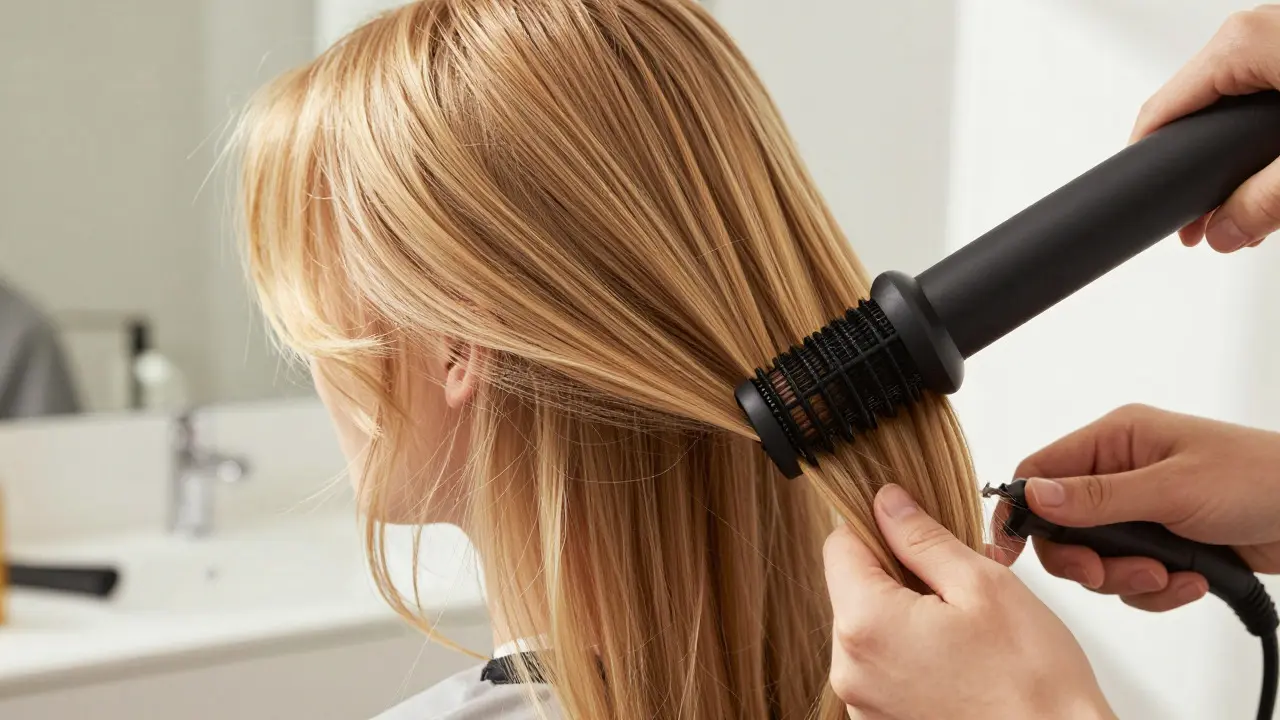
- Create Root Lift: Use a round brush or a velcro roller to lift the hair at the part while blow-drying. This adds height at the top of your head, creating the illusion of a longer face.
- Sweep Outward: Don’t let the bangs fall flat against your forehead. Use a flat iron or curling wand to create a gentle C-curl away from your face. This directs attention outward and downward, framing the cheekbones elegantly.
- Keep the Part Deep: A strict center part works best. It maintains symmetry and ensures the vertical lines remain intact. Avoid side parts, which can create asymmetry that doesn’t flatter the round shape as effectively.
If you have naturally curly or wavy hair, embrace the texture. Tight curls can sometimes add width, so consider a looser wave pattern. A large-barrel curling iron (1.5 inches or larger) creates those long, flowing waves that complement the curtain bang aesthetic perfectly.
Products That Help Maintain the Shape
Heavy gels and waxes are your enemies here. They weigh hair down, causing it to cling to your face and highlight its roundness. Instead, opt for lightweight products that add hold without stiffness.
| Product Type | Benefit | Application Tip |
|---|---|---|
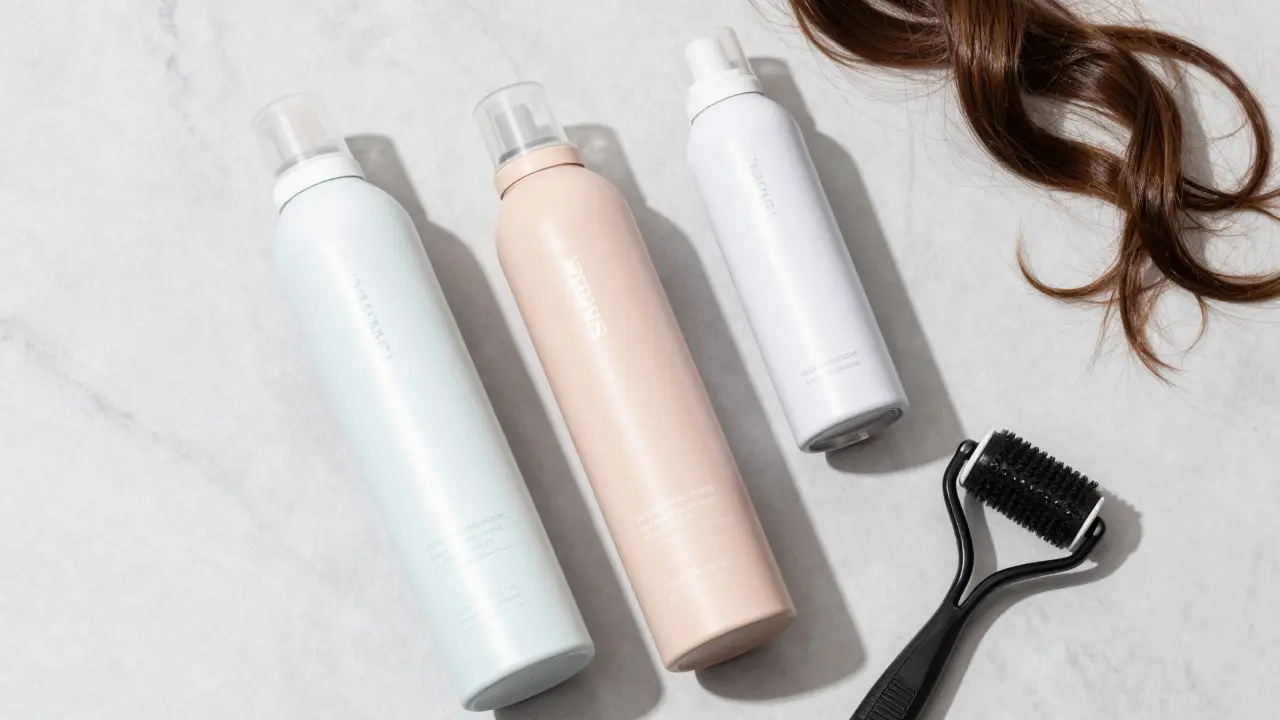
| Volumizing Mousse | Adds body at the roots without crunch | Apply to damp hair at the crown before drying |
| Lightweight Hairspray | Holds the sweep in place | Spray lightly after styling, focusing on mid-lengths |
| Texturizing Spray | Creates separation and movement | Use on dry hair to refresh the style throughout the day |
| Heat Protectant | Prevents damage from styling tools | Essential before using flat irons or curlers |
A small amount of sea salt spray can also help if you want a more tousled, effortless look. Just remember to scrunch gently rather than pulling, to maintain the natural flow of the hair.
Common Mistakes to Avoid
Even with the right cut, styling errors can undermine the effect. One big mistake is letting the bangs get too long without trimming. When curtain bangs grow past the chin, they can start to look like unstyled layers rather than intentional framing. Keep them trimmed every 6-8 weeks to maintain their shape.
Another error is over-brushing. Once styled, use your fingers to adjust rather than a fine-tooth comb. Brushing can flatten the volume you worked hard to create. Also, avoid pinning them back tightly. If you need them out of your face, use a loose clip or tie them into a half-up style that still allows some strands to frame the face.
Finally, don’t ignore your overall hairstyle. Curtain bangs work best when paired with layers throughout the rest of your hair. Solid, blunt bobs can sometimes exaggerate roundness, whereas layered cuts add movement and dimension that distract from facial width.
Maintenance and Growing Out
One of the biggest advantages of curtain bangs is how easy they are to maintain. Unlike blunt bangs that require weekly trims, curtain bangs blend seamlessly into the rest of your hair as they grow. This means fewer salon visits and lower costs over time.
To keep them looking fresh between appointments, wash your hair regularly to remove oil buildup, which can weigh down the roots. Dry shampoo is a great tool for extending the life of your style. Apply it at the roots to boost volume and absorb excess oil.
If you decide you no longer like them, growing them out is painless. Simply continue to style them with volume at the root and sweep them to the side. Eventually, they will become face-framing layers that enhance your overall look without being distinct "bangs."">
Frequently Asked Questions
Do curtain bangs make a round face look bigger?
No, when styled correctly, curtain bangs elongate the face. The key is to create volume at the roots and sweep the bangs outward to create vertical lines. Avoid heavy, flat bangs that sit horizontally across the forehead, as these can widen the appearance of the face.
What is the best length for curtain bangs on a round face?
The ideal length hits around the cheekbone or jawline. This length frames the face without adding width. Bangs that are too short can emphasize the roundness, while those that are too long may lose their shaping effect. Aim for a length that grazes just above or below the chin for the most flattering result.
Can I wear curtain bangs if I have thin hair?
Yes, curtain bangs can work well for thin hair. Ask your stylist for light texturizing to add volume. Using volumizing mousse and root-lifting techniques during styling will help create the necessary body. The goal is to keep the bangs airy and lifted rather than flat.
How do I style curtain bangs without heat?
You can achieve the curtain bang look without heat by using velcro rollers. After washing, roll the bangs upward and outward while damp. Let them air dry or use a diffuser. Once dry, remove the rollers and gently brush through with your fingers to create a soft, natural wave.
Do I need to trim my curtain bangs often?
Unlike traditional bangs, curtain bangs require less frequent trimming. Because they blend into the rest of your hair, they grow out gracefully. However, to maintain their shape and prevent them from looking unkempt, a trim every 6-8 weeks is recommended.