
You’re staring at that bold, edgy pixie cut in the magazine or scrolling through Pinterest, and you love it. But then your hand goes to your head, feeling the weight of your own strands, and doubt creeps in. Can you actually pull off a pixie if you have thick hair? Or will you end up looking like a fuzzy tennis ball?
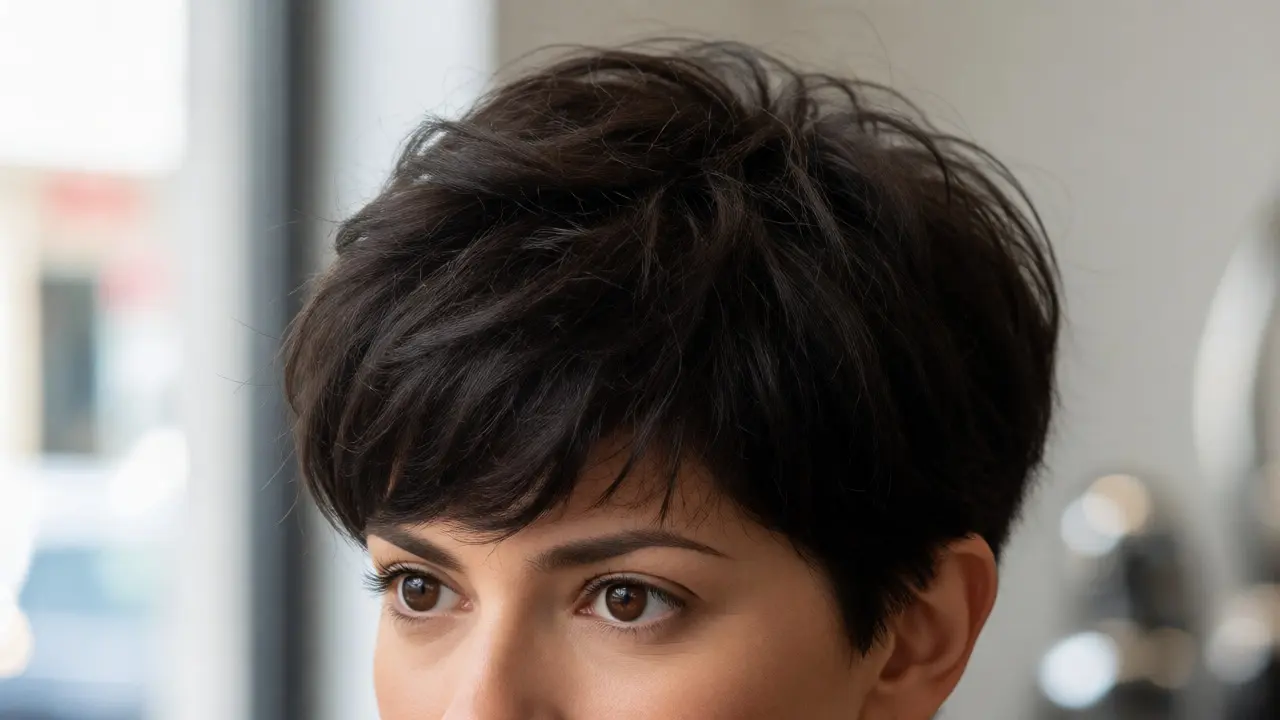
Here is the straight answer: Yes, absolutely. In fact, many stylists argue that thick hair is one of the best canvases for a pixie. Why? Because volume is often the enemy of short cuts on fine hair, but on thick hair, it’s an asset. The challenge isn’t whether you can do it; it’s how you execute it so it looks intentional rather than accidental.
Why Thick Hair Actually Loves Short Cuts
Let’s flip the script. Most people think thinning out their hair is the goal when going short. But with thick hair, you already have density. You don’t need to fake volume; you just need to manage shape. Fine-haired pixies often look flat by noon. Your hair has natural body. That means a well-cut pixie holds its structure all day without needing twenty minutes of blow-drying.
The real issue isn’t the amount of hair; it’s the behavior of the hair. Thick hair tends to be heavier. Gravity pulls it down. If you just chop it off bluntly, it might sit too low on your forehead or cover your ears completely. It’s about balance. You want the weight removed from the right places so the shape pops.
The Texture Factor: Curly vs. Straight
Your hair type changes the game plan significantly. There is no one-size-fits-all approach here.
If You Have Straight, Thick Hair
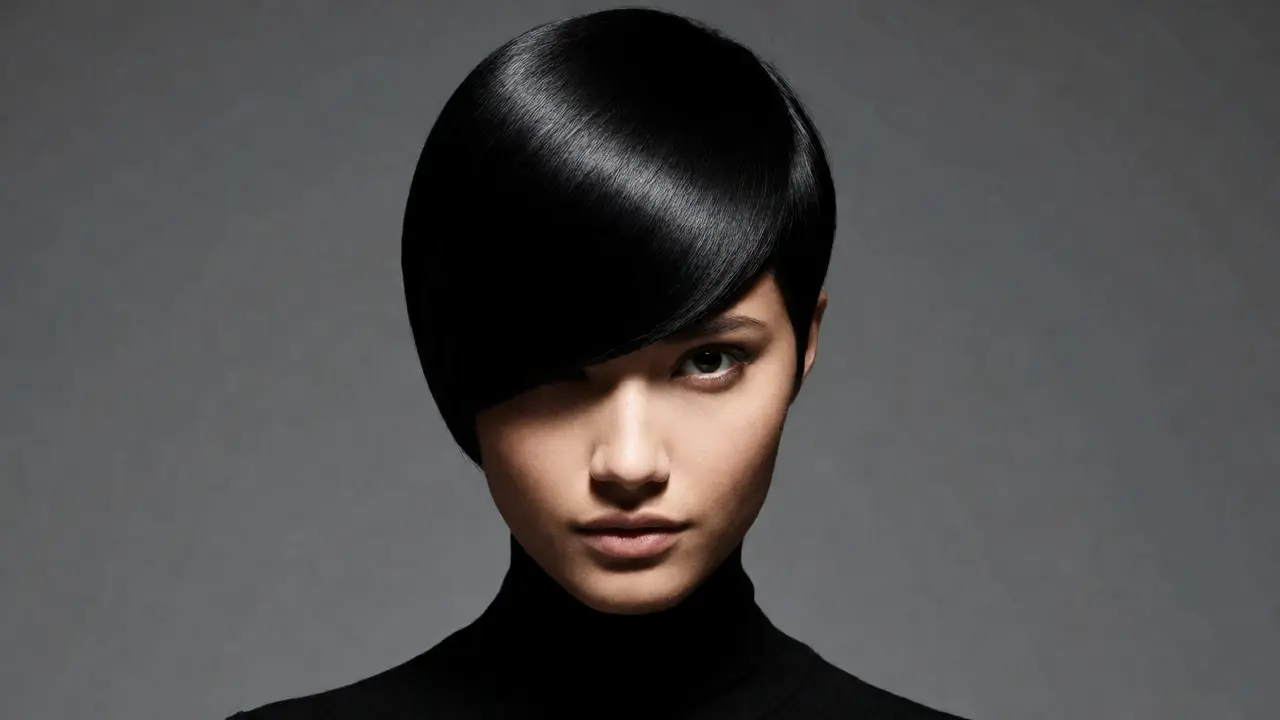
Straight thick hair can look sleek and sharp, but it can also look severe. The key here is texturizing. Ask your stylist for point cutting or slide cutting. This removes bulk without removing length. You want pieces that move. If you go too blunt, you’ll look like a helmet. A side-swept fringe works wonders here because it breaks up the solid block of hair on top.
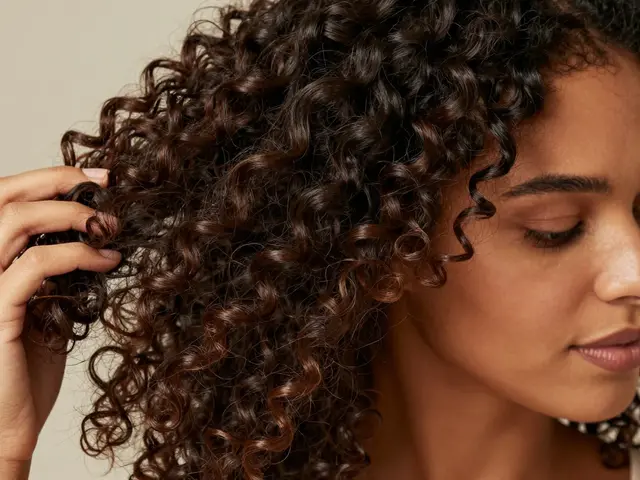
If You Have Wavy or Curly Thick Hair
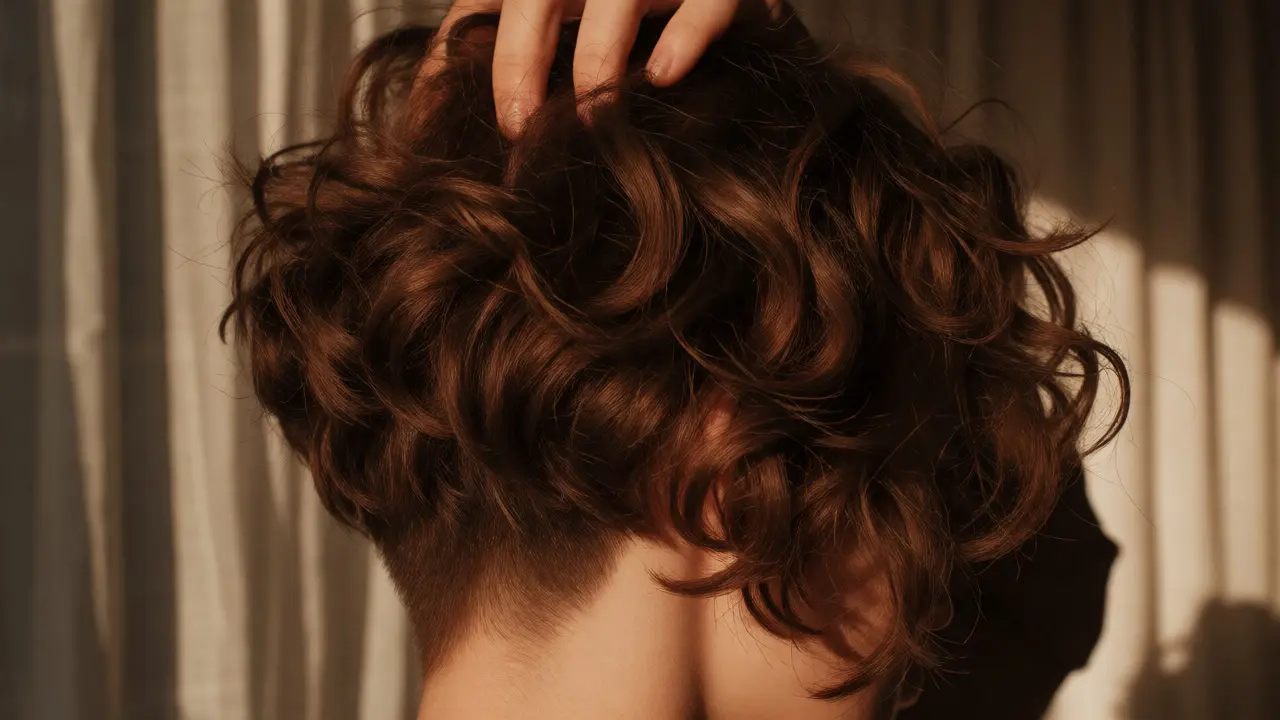
This is where things get fun. Curly thick hair shrinks when it dries. If you cut it wet, thinking it will hang long, you’ll wake up with a much shorter style than expected. Always cut curly hair dry or near-dry. You want to see exactly how each curl sits. Embrace the volume! Don’t fight it. A textured crop or a shaggy pixie lets those curls define the shape. You aren’t trying to flatten it; you’re trying to frame your face with it.
| Hair Texture | Best Style Variation | Key Cutting Technique | Styling Product |
|---|---|---|---|
| Straight | Sleek Side-Swept | Point Cutting / Thinning Shears | Mousse or Light Wax |
| Wavy | Textured Crop | Slide Cutting | Sea Salt Spray |
| Curly | Shaggy Pixie | Dry Cutting | Curl Cream or Gel |
| Coily/Kinky | Finger Coil Pixie | Tapered Sides | Butter or Pomade |
The "Triangle" Problem and How to Fix It
We’ve all seen it. Someone gets a short cut, and two weeks later, the sides stick out while the top stays flat. This is the classic triangle shape. It happens because thick hair grows outwards from the scalp. To prevent this, you need a taper. The back and sides should be shorter than the top. Not necessarily shaved down to skin, but graduated. This removes weight from the perimeter so the hair lies flatter against your skull.
Ask your stylist to focus on internal layering. External layers (the ones you see) can make thick hair look frizzy. Internal layers remove bulk from the inside, allowing the outer layer to lay smooth. It’s invisible work that makes a huge visual difference.
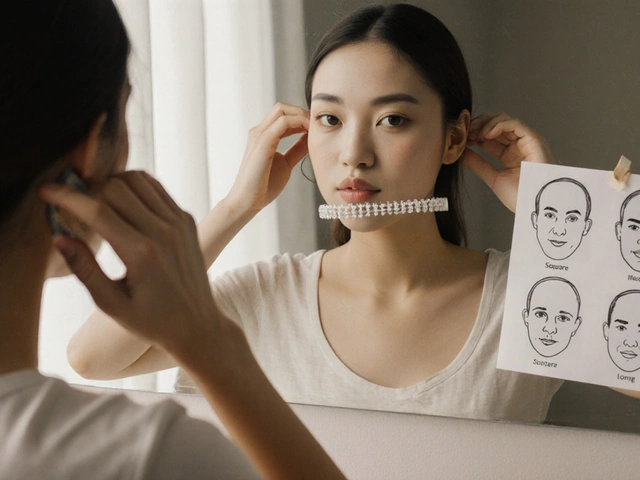
Face Shape Considerations
A pixie cut exposes your entire face. No hiding behind curtains of hair. For thick hair, this is great because you can use the hair to alter perceived proportions.
- Oval Face: You can wear almost anything. Go as short or as long as you want. Play with asymmetry.
- Round Face: Add height on top. Keep the sides tighter. Volume on the crown elongates the face. Avoid bulky sides that widen the silhouette.
- Square Face: Soften the jawline with wispy ends. Avoid blunt bangs. A side part helps break up the angularity.
- Heart-Shaped Face: Balance a wider forehead with fuller sides or a fringe. Keep the chin area open.
Remember, these are guidelines, not laws. Confidence trumps geometry every time.
Styling: Less Is More, But Choose Wisely
With thick hair, product matters more than technique sometimes. Too much heavy cream weighs you down. Too little leaves you looking unstyled.
Start with damp hair. Apply a pea-sized amount of mousse or lightweight wax. Work it through thoroughly. Use a round brush only if you want smoothness. If you want texture, use your fingers. Scrunch it. Twist sections. Let air drying do some of the work to keep it natural. If you must use heat, use a diffuser on low heat. High heat on thick hair takes forever and damages the cuticle unnecessarily.
For curly thick hair, skip the towel rubbing. Squeeze water out gently with a microfiber towel or old t-shirt. Frizz is your enemy here. Define curls with a light gel or curl cream while wet. Once dry, scrunch out the crunch with a drop of oil.
Maintenance: The Truth About Growing It Out
Here is the catch nobody tells you: A pixie requires frequent maintenance. With thick hair, you might need a trim every 4-6 weeks. Why? Because as it grows, the weight distribution shifts. The sides get puffy before the top gets long enough to weigh them down. Regular trims keep the shape intact.
Growing it out is a journey. You will hit an awkward phase around month three or four. The top is getting long, but the back is still short. You might look like you have a mullet. Be patient. Use hats, headbands, or slick it back with pomade during this stage. Eventually, the lengths even out. Many people find they never want to go back to long hair once they pass this hurdle.
Common Mistakes to Avoid
Don’t let fear stop you, but don’t walk into the salon blindly either.
- Ignoring Density: Just because you have thick hair doesn’t mean you have coarse hair. Fine-thick hair behaves differently than coarse-thick hair. Tell your stylist both facts.
- Over-Thinning: Some stylists grab the thinning shears and go wild. This creates gaps and holes. Ask for minimal thinning. Focus on cutting techniques instead.
- Skipping the Consultation: Bring photos. Show what you like and what you hate. Explain your daily routine. If you hate blow-drying, don’t ask for a style that requires it.
Pulling off a pixie with thick hair isn’t about fighting your nature. It’s about working with it. You have the advantage of volume and body. Use it. Talk to your stylist, be honest about your maintenance tolerance, and trust the process. You might just find that less hair means more personality.
Does a pixie cut make thick hair look thinner?
Not necessarily. While you remove length, which reduces overall mass, a well-cut pixie maintains density. The illusion of thickness depends on the cut. Blunt cuts maintain density, while heavily layered cuts reduce visual bulk. For thick hair, the goal is usually to manage volume rather than eliminate thickness entirely.
How often do I need to cut my pixie if I have thick hair?
Every 4 to 6 weeks. Thick hair grows out quickly and loses its shape faster than finer hair because the weight causes it to fall away from the scalp. Frequent trims keep the neckline clean and the sides from puffing out.
Can I get a pixie cut if I have very curly thick hair?
Yes, but it requires a specialist who understands curly hair. The cut should be done dry or close to dry to account for shrinkage. Expect a voluminous, rounded shape unless you choose to stretch or relax the curls. It’s a high-maintenance but high-reward style.
What is the best product for styling a thick hair pixie?
It depends on the finish. For matte, textured looks, use a clay or paste. For shine and hold, use a pomade. For curls, use a curl-defining cream or mousse. Avoid heavy oils on the roots as they can flatten the volume you’re trying to achieve.
Will a pixie cut make my face look bigger?
It can, if cut incorrectly. If the hair sticks out at the sides, it widens the face. If it’s too tight against the skull, it emphasizes facial width. The trick is creating vertical lines-volume on top and tapered sides-to elongate the face and create balance.