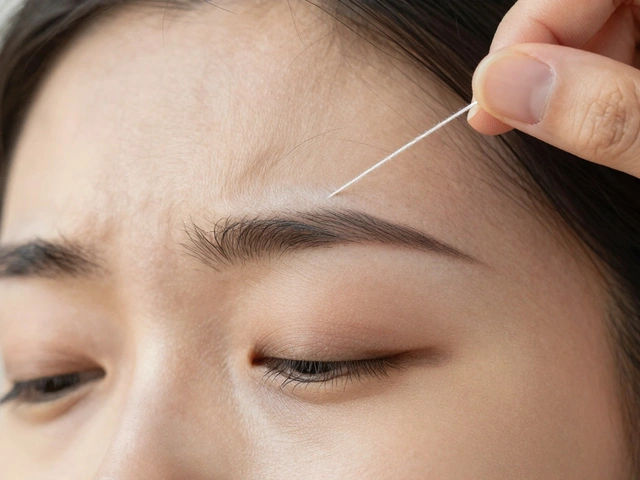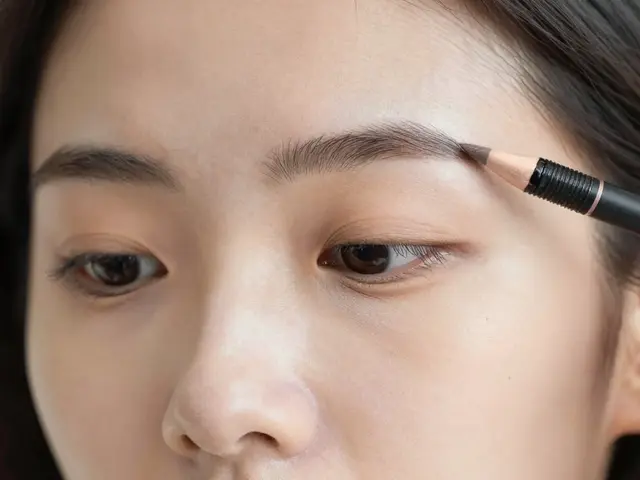

There is nothing worse than spending twenty minutes shaping your eyebrows, only to realize you have a big meeting in an hour and need to put on makeup. You look in the mirror, see that smooth, freshly waxed arch, and think: "Surely I can just dab some foundation here." It feels logical. But if you do this immediately, you are likely setting yourself up for a breakout, irritation, or even infection. The short answer is no, you should not apply foundation immediately after waxing. Your skin needs time to recover from the trauma of hair removal.
Waxing is not just about pulling out hair; it is a physical stressor to your skin. When the wax strips away the hair follicle, it also disrupts the top layer of your epidermis. This leaves microscopic openings where bacteria can enter and irritants can settle. Applying heavy, pore-clogging products like foundation is a cosmetic product used to create an even base for other cosmetics by covering imperfections such as acne scars, redness, and dark circles right onto this compromised barrier is a recipe for disaster. Understanding the biology of what happens to your skin during a brow wax is a hair removal method using warm or cold wax to remove unwanted hair from the eyebrow area will help you make better decisions about your beauty routine.
The Immediate Aftermath: What Happens to Your Skin?
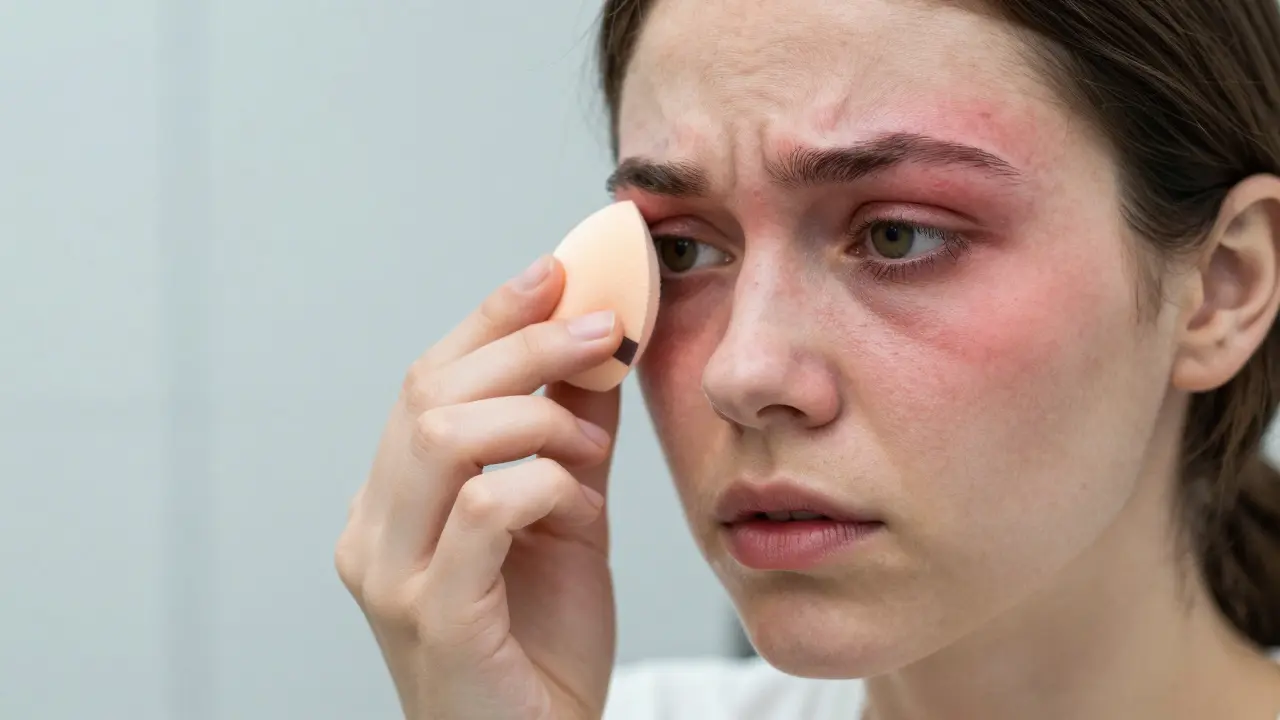
To understand why you need to wait, you have to look at what the wax actually does. When the esthetician pulls the strip, they are removing the hair from the root. This creates tiny, invisible wounds around each follicle. Within seconds, your body’s immune system kicks in. You might notice redness (erythema), slight swelling, or a feeling of heat. This is inflammation, and it is your skin’s natural defense mechanism.
If you apply foundation now, you are trapping heat against the skin. Makeup acts as a sealant. By sealing in that heat and inflammation, you prevent the skin from cooling down and calming itself. Worse yet, most foundations contain oils, silicones, and pigments that can clog these open pores. This leads to a condition known as folliculitis, which looks like small, pus-filled bumps around the hair follicles. Nobody wants pimple-like bumps on their freshly shaped brows.
Beyond the aesthetic issue, there is a hygiene factor. Your hands, makeup brushes, and sponges carry bacteria. Even if you wash them regularly, they are not sterile. Introducing these microbes to open follicles increases the risk of infection. For those with sensitive skin or conditions like rosacea or eczema, this reaction can be even more severe, leading to prolonged redness and peeling days later.
The Golden Rule: How Long Should You Wait?
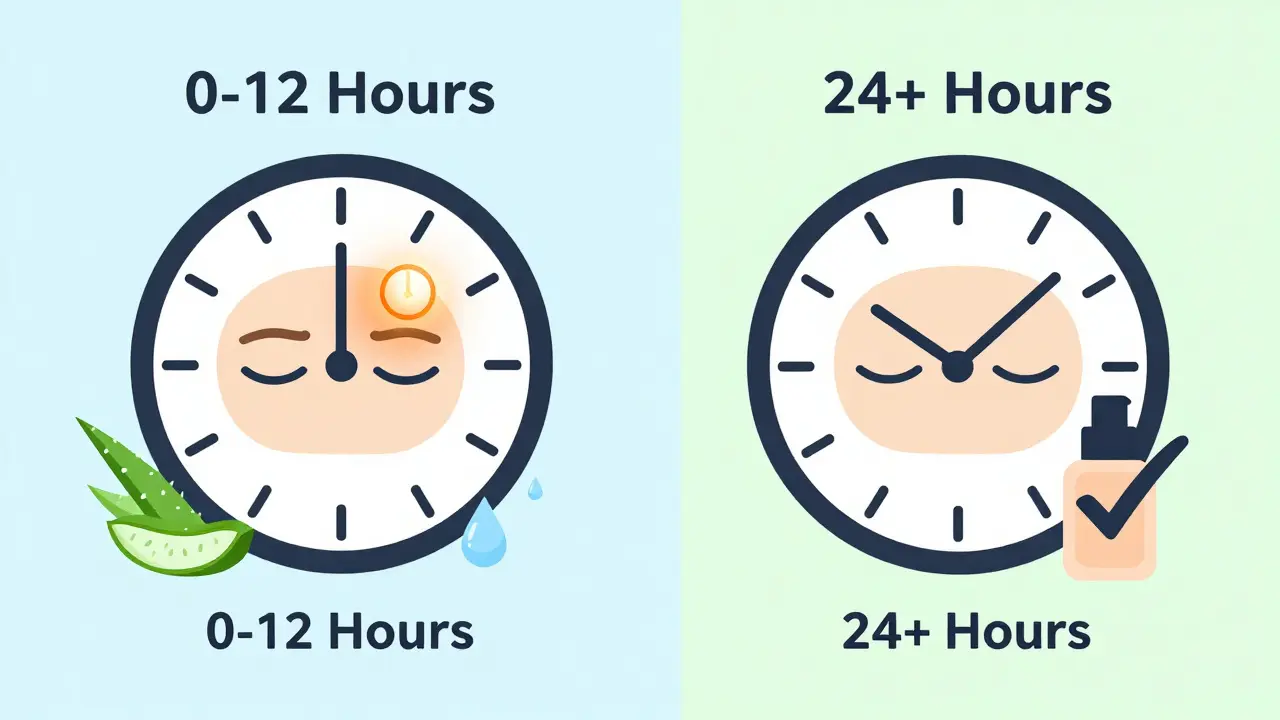
So, when is it safe to go back to your normal routine? The general consensus among dermatologists and professional estheticians is clear: wait at least 24 hours before applying any makeup to the waxed area. This 24-hour window allows the follicles to close, the initial inflammation to subside, and the skin barrier to begin repairing itself.
For many people, especially those with oily or acne-prone skin, waiting 48 hours is even safer. Here is a breakdown of what you can expect during this timeline:
- 0-12 Hours: Absolute rest. No makeup, no heavy creams, no sun exposure. Just gentle cleansing if necessary.
- 12-24 Hours: Redness should fade significantly. You may still feel tenderness. Avoid touching the area.
- 24-48 Hours: Most skin types can safely reintroduce light makeup. If you have sensitive skin, push this to 48 hours.
- After 48 Hours: Normal routine resumes. However, always clean your application tools before use.
This timeline isn't arbitrary. It aligns with the biological process of skin healing. Rushing this process doesn't save you time; it costs you days of dealing with breakouts and irritation that could have been avoided.
If You Must Wear Makeup: Safer Alternatives
Life happens. Maybe you have a wedding, a job interview, or a date tonight, and you just waxed your brows. Is there any way to cover up without ruining your skin? Yes, but you have to be strategic. You cannot use your usual full-coverage liquid foundation. Instead, opt for lighter, non-comedogenic (non-pore-clogging) alternatives.
Tinted moisturizer is a lightweight skincare-makeup hybrid that provides hydration while offering sheer coverage is a much better choice than heavy foundation. It contains fewer pigments and usually has a higher water content, which means it sits on top of the skin rather than sinking into open pores. Look for formulas labeled "mineral" or "physical," as these often contain zinc oxide or titanium dioxide, which have soothing properties.
Another option is a green color corrector. If your main concern is redness, a tiny amount of green cream applied with a clean finger can neutralize the pink tones without adding layers of product. Remember, less is more. Dab, don't rub. Rubbing introduces friction, which aggravates the already sensitive skin.
Avoid using powder products directly on the fresh wax site if possible. Powders can cake into dry patches and emphasize texture. If you must use powder, use a fluffy brush and tap off the excess before lightly dusting it over the face, avoiding direct contact with the brow hairs themselves.
Post-Wax Skincare Routine: Do's and Don'ts
While you are waiting for the 24-hour mark to pass, you should actively care for your skin to speed up recovery. Proper aftercare is just as important as the waxing itself. Here is how to handle your brows in the first day:
| Action | Recommendation | Reason |
|---|---|---|
| Cleansing | Use a gentle, fragrance-free cleanser | Prevents bacterial buildup without stripping natural oils |
| Soothing | Apply aloe vera gel or witch hazel | Reduces inflammation and cools the skin |
| Moisturizing | Light, oil-free lotion | Keeps skin hydrated without clogging pores |
| Sun Protection | Mineral sunscreen (SPF 30+) | Freshly waxed skin is highly susceptible to UV damage |
| Exfoliation | Avoid for 3-5 days | Prevents premature shedding and irritation |
One critical thing to avoid is heat. No saunas, steam rooms, hot yoga, or long hot showers for 24 hours. Heat opens up pores and increases blood flow to the area, which worsens redness and swelling. Similarly, avoid sweating heavily if you can help it. Sweat contains salts and acids that sting open follicles and introduce bacteria.
Also, skip the retinol and alpha-hydroxy acids (AHAs) for a few days. These active ingredients are exfoliants. Using them on freshly waxed skin is like pouring salt in a wound. They will cause stinging, peeling, and potential hyperpigmentation. Stick to simple, soothing ingredients like aloe, chamomile, or centella asiatica.

Common Mistakes That Lead to Breakouts
Even if you wait the full 24 hours, you can still trigger issues if you aren't careful. One of the biggest culprits is dirty makeup tools. If you use the same sponge or brush you used last week, you are reintroducing old bacteria and dead skin cells to your newly cleared area. Wash your sponges with mild soap and water before every use, or switch to disposable applicators for the first few days.
Another mistake is over-exfoliating. People often think that because they just removed hair, they need to scrub the skin to keep it smooth. This is incorrect. Waxing is its own form of exfoliation. Adding mechanical exfoliation (scrubs) or chemical exfoliation (acids) too soon weakens the skin barrier. Wait at least three to five days before resuming your regular exfoliation routine.
Touching your face is another bad habit. We touch our faces dozens of times a day without realizing it. Each time your fingers brush against your brows, you transfer oils and dirt. Try to keep your hands away from your face entirely for the first 24 hours. If you must adjust your glasses or sunglasses, wipe the frames with an alcohol wipe first.
When to See a Professional
In rare cases, post-wax reactions can be more serious than simple redness. If you experience severe pain, spreading redness, fever, or large cystic bumps, you may have developed an infection or an allergic reaction to the wax or pre-wax oils. In these situations, do not try to treat it with makeup or home remedies. Contact your esthetician or a dermatologist immediately.
Some people are prone to ingrown hairs after waxing. While foundation won't cause ingrown hairs, thick layers of makeup can trap the hair beneath the surface, making it harder for the hair to grow out properly. If you are prone to ingrowns, consider using a salicylic acid toner starting three days after waxing to keep the follicles clear, but only after the initial sensitivity has passed.
Can I wear concealer after waxing my brows?
It is best to avoid concealer for at least 24 hours. Concealers are typically thicker and more pigmented than tinted moisturizers, meaning they are more likely to clog pores and trap heat. If you must cover blemishes, use a tiny amount of mineral-based concealer with a clean fingertip, not a brush.
Why does my skin feel tight after waxing?
Tightness is a common side effect caused by the removal of the top layer of skin cells along with the hair. It indicates that your skin barrier is temporarily compromised. Apply a gentle, fragrance-free moisturizer or aloe vera gel to soothe the sensation. Avoid stretching the skin or applying heavy makeup until the tightness subsides.
How do I prevent redness after brow waxing?
To minimize redness, ask your esthetician to use a post-wax soothing balm containing tea tree oil or aloe. Immediately after the appointment, apply a cold compress to the area for a few minutes. Avoid hot water, sun exposure, and strenuous exercise for 24 hours. Keeping the skin cool and calm helps reduce inflammation quickly.
Can I use my regular serum after waxing?
Only if it is a hydrating, soothing serum. Avoid serums with active ingredients like vitamin C, retinol, glycolic acid, or salicylic acid for at least 48 hours. These ingredients can sting and irritate the open follicles. Stick to hyaluronic acid or niacinamide serums which help repair the skin barrier without causing irritation.
Is it safe to get a facial after waxing?
No, you should wait at least one week before getting a facial. Facials often involve exfoliation, extractions, and strong acids, all of which can severely irritate freshly waxed skin. Combining these treatments can lead to burns, excessive peeling, and increased risk of infection. Space out your hair removal and skincare treatments to protect your skin health.