

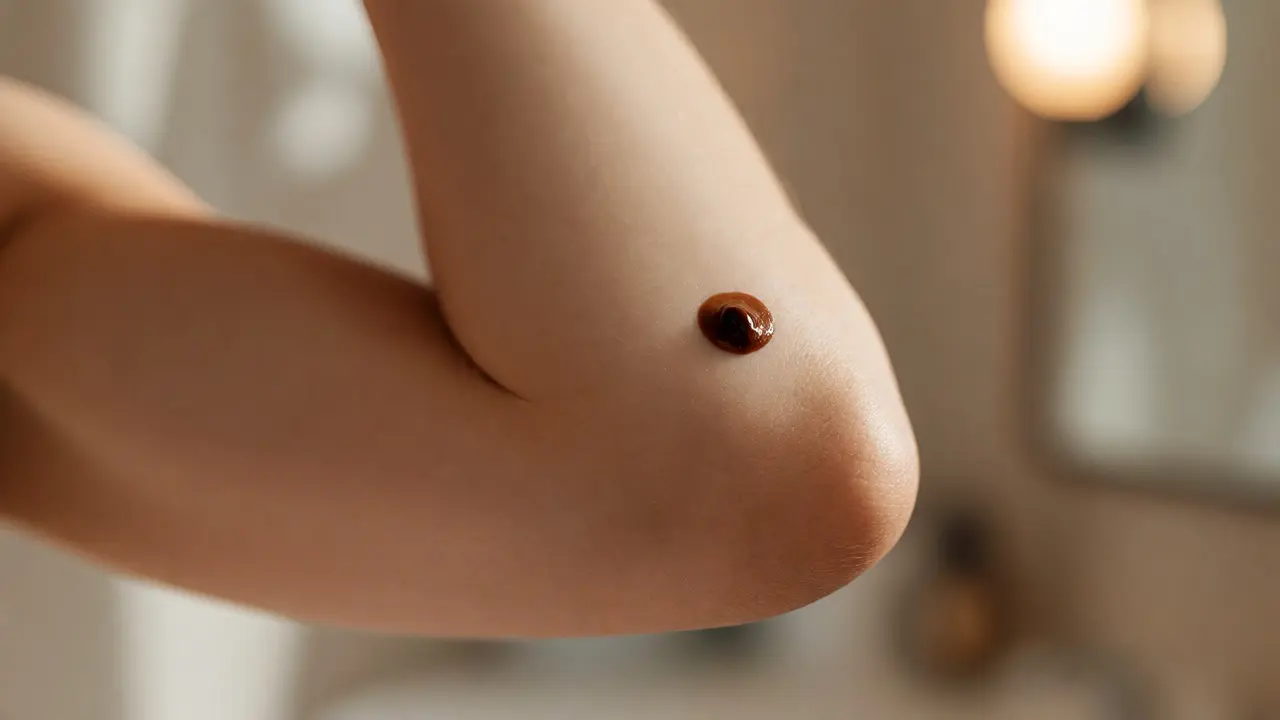
You want to change your look, but you’re terrified of the itch. Or worse, the swelling that keeps you up all night. It’s a valid fear. Hair dye is one of the most common causes of allergic contact dermatitis in the beauty world. The North American Contact Dermatitis Group found that hair products account for nearly 10% of all positive allergy tests they see. So, when you ask, "Which hair dye is best to apply without side effects?", the honest answer isn't about finding a magic potion with zero risk. It's about choosing the formula least likely to trigger a reaction based on your specific skin history.
The Myth of Zero Risk and Why Patch Testing Is Non-Negotiable
Let’s get real: no chemical product guarantees 0% risk. Even natural ingredients can cause allergies. However, the risk profile changes drastically depending on what’s inside the bottle. The biggest culprit in traditional dyes is p-phenylenediamine (PPD). This aromatic amine is highly effective at bonding color to hair, but it’s also an extreme sensitizer. Studies show that PPD alone represents over a third of all hair-product allergens in patch-tested patients. If you’ve ever had a rash from a black henna tattoo or dark clothing dye, you might already be sensitized.
The FDA doesn’t pre-approve cosmetics, which puts the burden on you. Their guidance is strict: perform a 48-hour patch test before every single application, even if you’ve used the same brand for years. Sensitization can develop silently over time. Apply a small amount behind your ear or in the inner elbow. Wait two days. If there’s redness, itching, or blistering, do not use that product. This simple step prevents the vast majority of severe reactions.
Why You Should Avoid Conventional Box Dyes
If you’re prone to irritation, stay away from standard drugstore box dyes. These usually contain a potent cocktail of irritants: PPD, ammonia, resorcinol, and high-volume hydrogen peroxide. Ammonia opens the hair cuticle aggressively, causing scalp burning and dryness. Resorcinol is another known irritant. When you combine these with PPD, you create a high-risk environment for your scalp. Professional stylists often report higher rates of dermatitis among clients who frequently use these mass-market kits because the formulations prioritize durability and lift over comfort.
There’s also the issue of occupational exposure. Hairdressers have much higher rates of PPD allergy than the general public because they handle these chemicals daily. As a consumer, you don’t need to take on that level of exposure. Choosing a gentler alternative reduces the cumulative load on your skin barrier.
Top Tier: PPD-Free Oxidative Dyes for Gray Coverage
If you need permanent gray coverage, you generally need an oxidative process. But you don’t need PPD. Several brands have developed formulas that replace this harsh intermediate with safer alternatives while maintaining performance. These are often labeled as "ammonia-free" and "PPD-free," though always check the ingredient list yourself, as marketing terms can be loose.
| Brand/Product | Key Safety Features | Best For | Performance Notes |
|---|---|---|---|
| Tints of Nature | 95% naturally derived, PPD-free, ammonia-free | Sensitive scalps needing full gray coverage | Reliable fade, non-brassy, salon-like finish |
| Naturtint | Ammonia-free, plant-derived ingredients, low odor | Users wanting salon results at home | Minimal irritation reported, good color depth |
| Herbatint | Free of ammonia, alcohol, parabens; herbal base | Those avoiding synthetic chemicals entirely | Long-lasting, gentle on hair shaft |
| Daeng Gi Meo Ri | ~50% herbal extract base, Korean formulation | Extreme sensitivity or previous reactions | Strong gray coverage with buffering herbs |
Tints of Nature is frequently cited in reviews as the top pick for its balance of safety and efficacy. It uses soy-based compounds instead of harsh synthetics. Naturtint offers a wide shade range and is praised for not stinging during the 45-minute development time. Herbatint leans heavily into herbal extracts, making it a favorite for those who want to avoid parabens and alcohol. Daeng Gi Meo Ri is unique because it incorporates a massive amount of herbal content, which physically buffers the skin against potential irritants.
Lowest Risk: Semi-Permanent Direct Dyes
If you don’t need to cover stubborn grays and just want to refresh your color or go bold, semi-permanent direct dyes are the safest bet. Brands like Arctic Fox, Manic Panic, and Good Dye Young deposit color onto the outside of the hair shaft without using ammonia or peroxide developers. They typically omit PPD and PTD entirely.
Because there’s no oxidation process opening the cuticle violently, these dyes rarely cause scalp burning or allergic contact dermatitis. They condition the hair as they color it. The trade-off is longevity. These colors fade within 4-6 weeks, especially with washing. But for someone prioritizing health over permanence, this is a worthwhile exchange. Reddit communities and professional stylists consistently recommend these for first-time dyers or anyone with a history of mild sensitivity.
Understanding "Natural" vs. "Safe"
Be careful with the word "natural." A product can be marketed as natural and still contain PPD. Some "non-toxic" lifestyle brands use low levels of PPD to ensure their color sticks. Always read the INCI list. Look for p-Phenylenediamine or p-Toluenediamine. If you see them, proceed with caution, regardless of how many organic oils are in the bottle.
Also, remember that "plant-based" doesn’t mean "allergy-proof." Essential oils and botanical extracts can themselves be allergens. Just because a label says "herbal" doesn’t mean you skip the patch test. In fact, people with multiple chemical sensitivities often react to complex botanical blends more quickly than to simple synthetic formulas.
Pro Techniques to Minimize Irritation
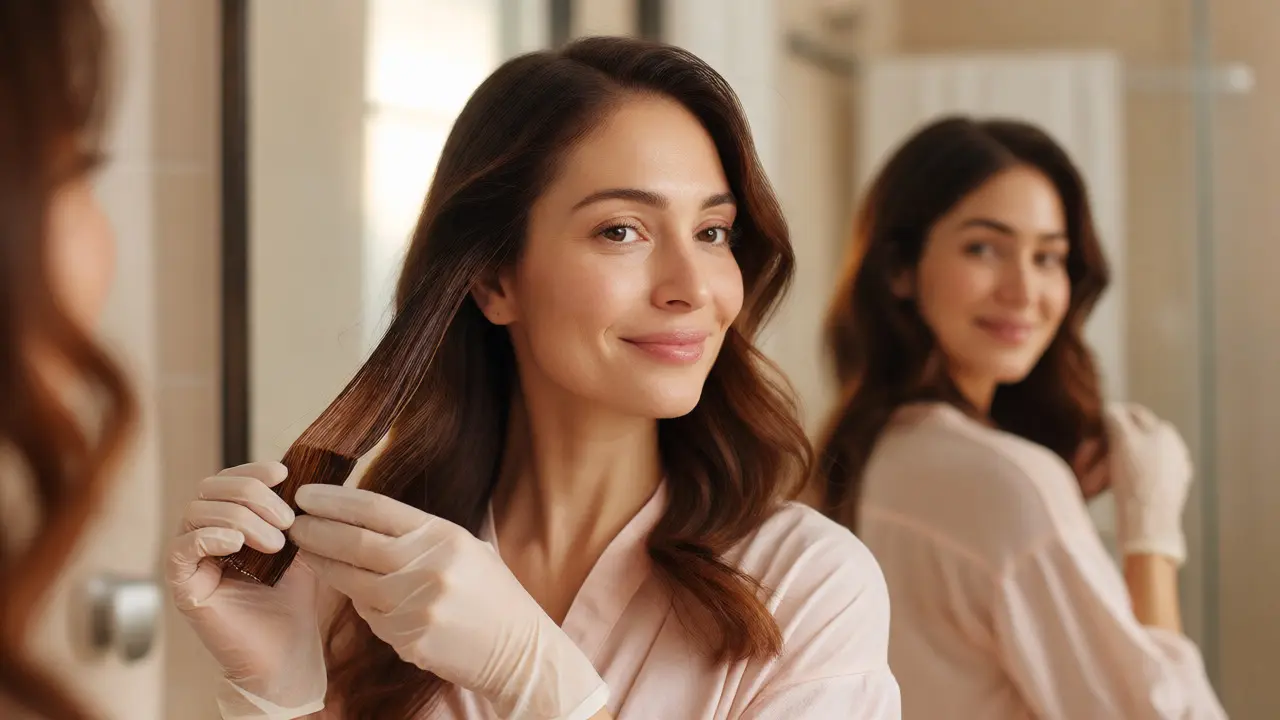
Even the safest dye can hurt if applied incorrectly. Here is how pros reduce side effects:
- Protect the perimeter: Apply a thick layer of petroleum jelly or a dedicated scalp protector along your hairline, ears, and neck. This creates a physical barrier so the dye doesn’t sit directly on sensitive skin.
- Don’t wash right before: Skip shampooing for 24-48 hours before dyeing. Your natural scalp oils provide a protective buffer.
- Stick to the clock: Do not leave the dye on longer than instructed. Over-processing breaks down hair proteins and increases scalp irritation.
- Avoid heat: Don’t use a blow dryer on the roots immediately after rinsing unless necessary. Heat can increase permeability and sting.
If you have very sensitive skin, consider off-scalp techniques like balayage or foils. By keeping the dye away from the root area, you eliminate the primary site of contact dermatitis. Ask your stylist for a "root smudge" only if absolutely necessary, using a demi-permanent gloss rather than a permanent color.
What to Do If You React
If you feel tingling during application, rinse immediately. Mild tingling can be normal, but burning is not. If you notice redness or itching days later, wash your hair with a gentle, fragrance-free cleanser. Over-the-counter hydrocortisone cream can help calm localized inflammation. If you experience swelling of the face or eyes, seek medical attention. Once you’ve had a reaction to a specific ingredient, you are likely permanently sensitized to it. You must avoid that ingredient forever.
Is ammonia-free hair dye completely safe?
Not necessarily. Ammonia-free dyes often replace ammonia with ethanolamine, which is less volatile and smells better, but it can still irritate the scalp. More importantly, many ammonia-free dyes still contain PPD or other sensitizers. Always check for PPD and perform a patch test.
Can I use henna if I'm allergic to PPD?
Pure henna is generally safe for PPD-allergic individuals because it works differently. However, beware of "black henna," which often contains added PPD to darken the color. Only use pure, body-art-quality henna without additives.
How long does a patch test take?
You should wait 48 hours. Apply a small dot of mixed dye behind your ear or on your inner elbow. Leave it uncovered. Check for any signs of rash, itching, or swelling after two days before proceeding with the full application.
Do semi-permanent dyes damage hair?
Semi-permanent dyes are generally conditioning and do not damage the hair structure because they lack ammonia and peroxide developers. They coat the hair shaft rather than penetrating deeply, making them ideal for maintaining hair health.
Which brand is best for severe gray coverage without side effects?
Tints of Nature and Naturtint are highly rated for balancing strong gray coverage with low-irritant formulas. Both are PPD-free options that have received consistent positive feedback from users with sensitive scalps.

Quintin Franzese
September 17, 2026 AT 21:14Finally someone admits that "chemical-free" is a lie sold to us by marketing departments.
Elizabeth Brooks
September 19, 2026 AT 12:01This is super helpful! I always forget the patch test part and just wing it.
Also, Tints of Nature is legit good but you have to be careful with the developer ratio or it gets weirdly orange on some hair types. But yeah PPD is the real villain here.
Deb Kortyna, MBA
September 19, 2026 AT 16:43I must insist that the omission of professional consultation in this analysis is rather glaring. While home kits are convenient, they lack the precision of a salon environment where pH levels can be adjusted in real-time. Furthermore, the article suggests that semi-permanent dyes are the safest option, yet fails to acknowledge that repeated application of these products can lead to significant product buildup on the hair shaft, which ultimately requires harsh clarifying shampoos to remove, thereby defeating the purpose of seeking gentle care. One must consider the holistic impact on hair health, not merely the immediate scalp reaction.
alex kobri
September 21, 2026 AT 11:37risk is never zero
even water can drown you if you drink too much
we accept the trade off for beauty
or vanity depending on who you ask
i just want my gray hairs gone without looking like i touched a live wire
so i patch test
every time
it takes two days
two days of waiting
is that really so hard
Tamara Miller
September 22, 2026 AT 11:10Ugh, finally!!! It is about TIME people stopped buying those cheap drugstore boxes!! You are literally poisoning yourself for $5 savings?? Like come on... Read the ingredients list? It's not rocket science!! And don't get me started on people who skip the patch test because they are 'too busy'... Lazy excuses for lazy brains!! If your face swells up, don't blame the brand, blame YOURSELF for being careless!!! We need more education in this country!!
Zach Loescher
September 22, 2026 AT 12:48I've been using Manic Panic for years and haven't had any issues, though I do have naturally oily skin which might help buffer things. It's interesting how the article frames ammonia vs ethanolamine. I wonder if there's data on long-term effects of ethanolamine since it's less volatile but still alkaline.
Anthony Miller
September 22, 2026 AT 14:46Listen closely because I am only going to say this once. The FDA does not pre-approve cosmetics. Do you understand what that means? It means we are guinea pigs. Every single one of us. And you sit there talking about "gentle formulas" as if corporations give a damn about your scalp. They give a damn about their profit margins. If PPD was truly dangerous enough, it would be banned. It isn't. So stop whining about side effects and start accepting that modern life is a chemical assault. Your sensitivity is a weakness of character, not a medical condition.
Susan Cole
September 23, 2026 AT 20:15I appreciate the breakdown of PPD vs other sensitizers. I used to react badly to box dyes but switched to a demi-permanent gloss at the salon and it’s been fine. Just wanted to share that sometimes the issue isn’t the dye itself but the concentration or the specific mix used by the stylist.
Jacob Baby Official
September 23, 2026 AT 22:32Actually, if you look at the clinical data, the rate of allergic contact dermatitis from oxidative dyes has remained relatively stable over the last decade despite the influx of "natural" brands. This suggests that the perceived safety of these new formulations is largely placebo-driven. People feel better because they spent more money, not because the chemistry is fundamentally safer. In fact, botanical extracts often contain complex allergens like limonene or linalool that are harder to isolate than synthetic PPD. So while the narrative of "natural equals safe" is comforting, it is analytically flawed. You're trading one set of risks for another, potentially more unpredictable set.
michelle veluz
September 25, 2026 AT 00:19THEY ARE HIDING THE TRUTH ABOUT HENNA!!! Did you know that black henna often has PPD mixed in?? Yes!!! And they don't even label it properly!!! It's all part of the big beauty conspiracy to keep us dependent on expensive salon treatments!!! I read somewhere that some of these "ammonia-free" dyes use chemicals that are worse for your liver!! We need to wake up!!! Don't let them poison us with their pretty bottles!!!
Savara Gunn
September 26, 2026 AT 20:00Hey everyone, hope this helps! I think the key takeaway is really just listening to your body. If it stings, rinse it out. No color is worth pain. You got this!
Brandon Olvera
September 27, 2026 AT 08:27American-made brands should be prioritized here. Why are we pushing Korean formulations when we have solid domestic options? Support local industry first. Also, the government needs to step in and regulate these claims better. We shouldn't have to be chemists just to buy shampoo.