

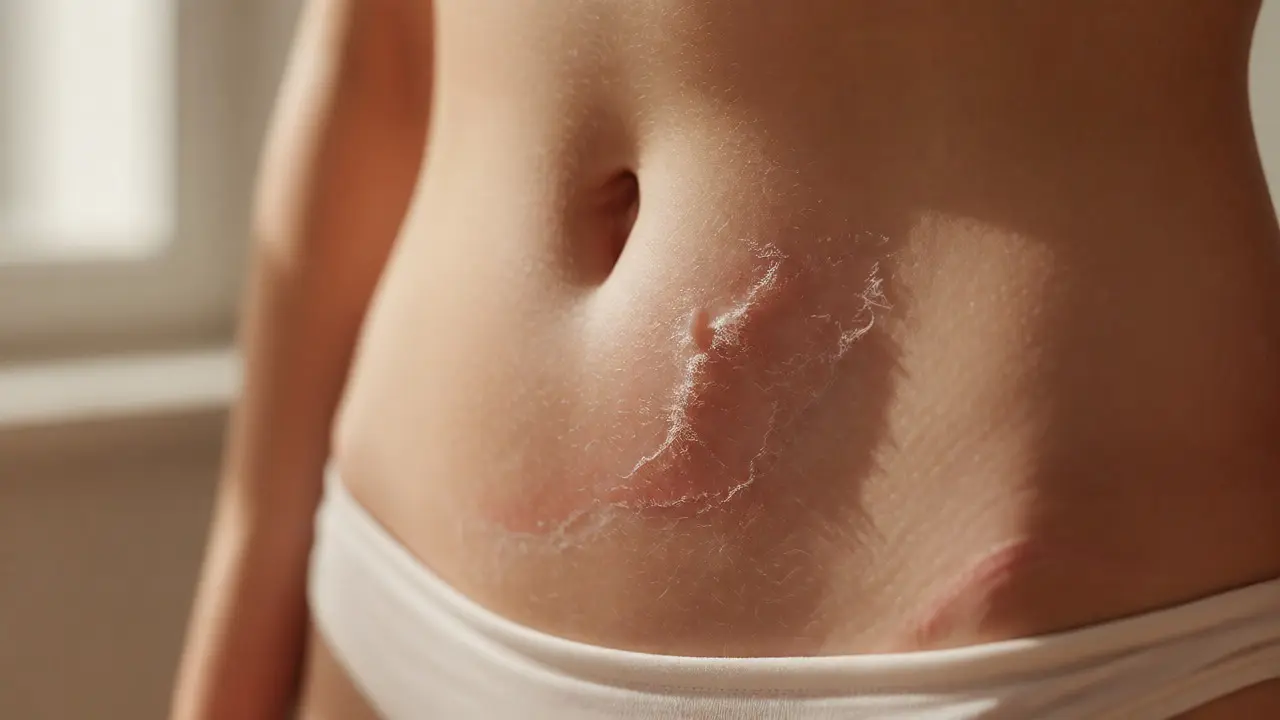
You just stepped out of the salon, feeling smooth and refreshed. But two days later, you’re noticing flakes. Maybe it’s dry patches around your bikini line. Or worse, raw, red spots that sting when you put on underwear. You’re not alone. Skin peeling after a Brazilian wax is one of the most common complaints estheticians hear, yet most clients are blindsided by it.
Here’s the thing: waxing doesn’t just remove hair. It removes layers of dead skin cells, too. For some people, that’s fine. For others-especially those with sensitive skin or recent sun exposure-it triggers a reaction that looks like peeling but acts like a mild burn. The good news? It’s usually temporary. The better news? You can prevent it next time.
The Real Reason Your Skin Is Peeling
When hot or warm wax adheres to your skin and yanks off hair from the root, it also pulls away the top layer of the epidermis. This layer, called the stratum corneum, is made of dead skin cells that act as a barrier. When you strip it off aggressively, especially in sensitive areas like the bikini zone, your body reacts by trying to repair itself fast.
This rapid repair process often results in visible flaking. Think of it like a paper cut healing-you might see small bits of skin shedding as new cells form underneath. If the wax was too hot, left on too long, or applied over already irritated skin, you might experience something closer to a superficial burn. That’s why the area feels tight, looks shiny, and then starts to peel a day or two later.
Is It a Burn or Just Dryness?
Not all peeling is created equal. Knowing the difference helps you treat it right.
- Dryness/Exfoliation: Fine, white flakes. No pain. Happens 24-72 hours post-wax. Caused by natural cell turnover acceleration.
- Mild Irritation: Pinkish hue, slight warmth, small bumps. May itch. Resolves in 3-5 days.
- Superficial Burn: Red, raw patches. Stings with sweat or soap. May blister slightly. Takes 7-10 days to heal fully.
If you see blisters or feel significant pain, it’s likely a burn. If it’s just flaky and dry, your skin barrier is just recovering. Either way, avoid scrubbing. Scrubbing now will tear fresh skin and cause hyperpigmentation-those dark spots that take months to fade.
Common Mistakes That Trigger Peeling
Most peeling isn’t inevitable. It’s often caused by specific behaviors before or after your appointment.
Using Retinoids or AHAs Too Close to Waxing: If you apply retinol, glycolic acid, or salicylic acid on your bikini area within 48 hours of waxing, you’ve thinned your skin’s protective layer. Waxing on top of this leads to immediate lifting. Estheticians often refuse to wax if they see signs of chemical exfoliation.
Sun Exposure: Did you go to the beach last weekend? Sunburned or tanned skin is fragile. Waxing stressed skin equals guaranteed peeling. Wait until any tan fades and sensitivity drops.
Tight Clothing Immediately After: Friction from lace underwear or skinny jeans traps heat and rubs against freshly stripped skin. This aggravates inflammation and accelerates peeling.
Poor Post-Wax Hygiene: Sweating heavily (from workouts) without cleansing afterward creates a breeding ground for bacteria. Folliculitis (infected hair follicles) can mimic peeling with pustules and crusty edges.
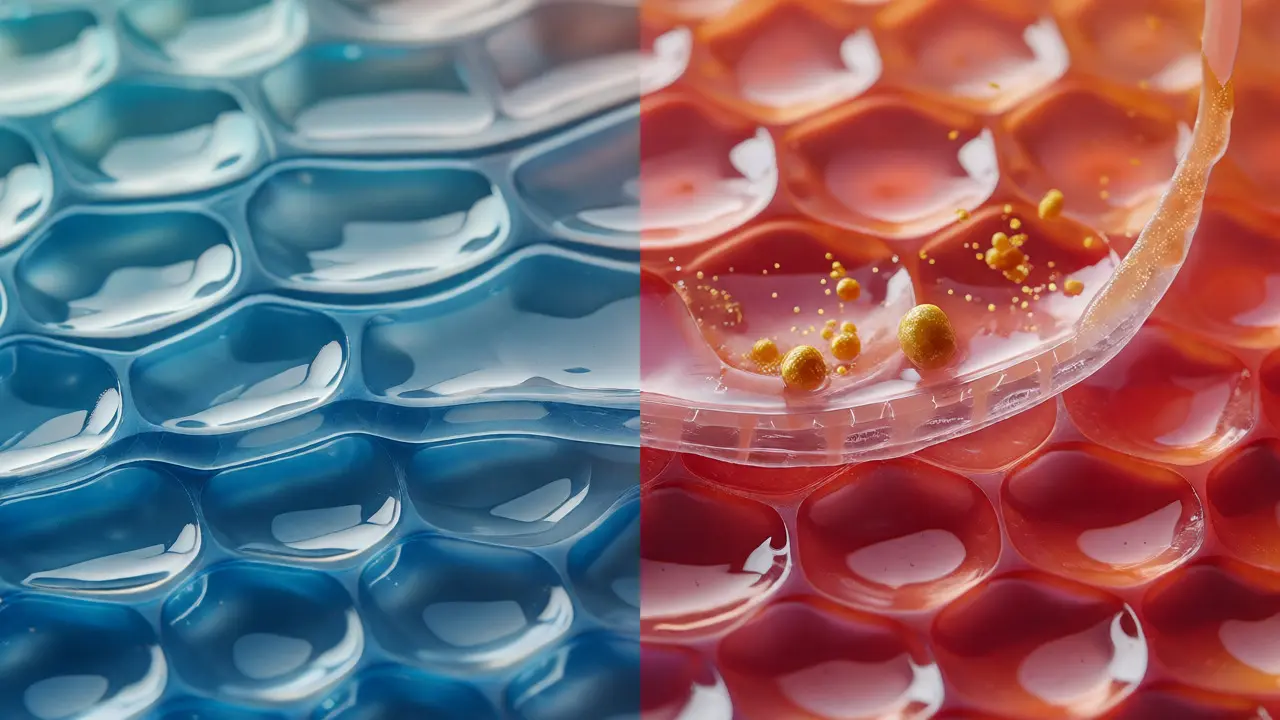
How to Treat Peeling Skin Right Now
First, stop picking. I know it’s tempting, but pulling loose skin tears healthy tissue underneath. Let it fall off naturally.
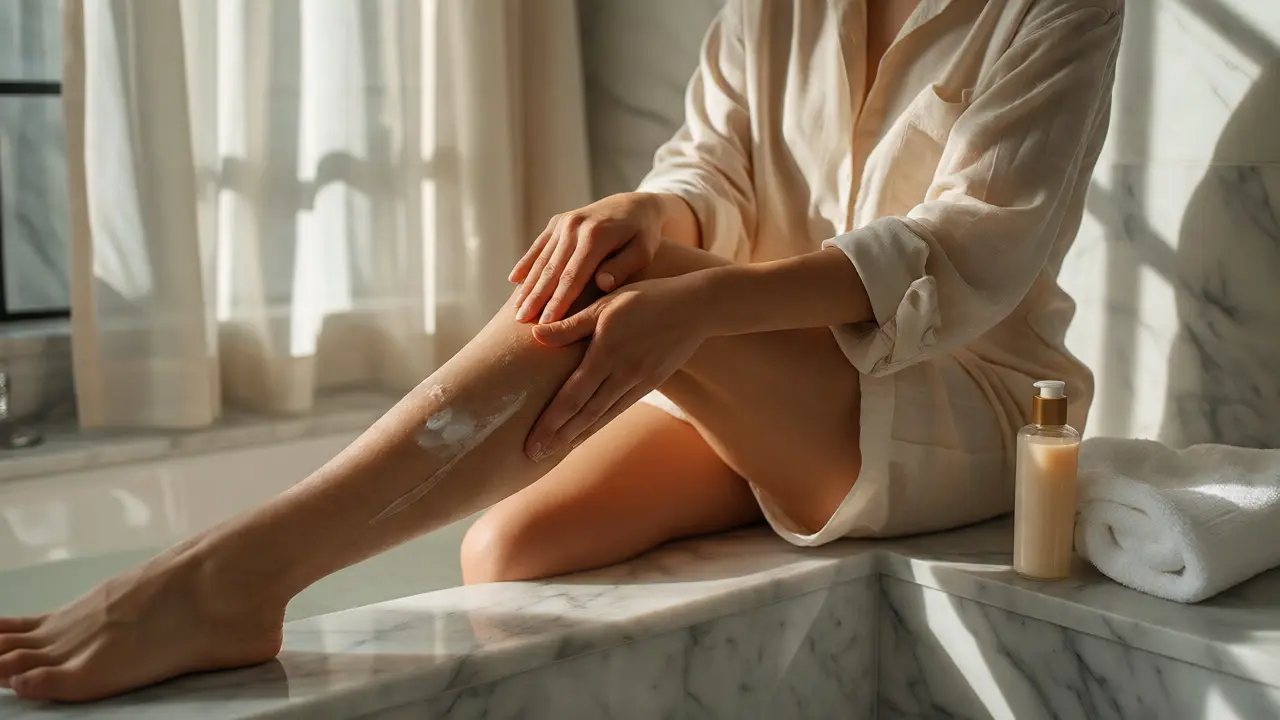
Second, hydrate externally. Use a fragrance-free, soothing moisturizer. Look for ingredients like:
- Aloe Vera: Cools inflammation and provides hydration without clogging pores.
- Panthenol (Vitamin B5): Speeds up wound healing and reduces redness.
- Ceramides: Rebuild the lipid barrier lost during waxing.
Avoid products with alcohol, fragrances, or essential oils like tea tree oil immediately after. While tea tree has antibacterial properties, its potency can sting compromised skin barriers.
If the area feels hot or painful, apply a cool compress for 10 minutes, twice a day. Do not use ice directly on the skin; wrap it in a clean cloth. Over-the-counter hydrocortisone cream (1%) can help reduce inflammation if used sparingly for no more than three days.
Preventing Peeling in Future Appointments
Prevention beats cure every time. Here’s how to prep your skin so it stays intact.
| Timeframe | Action | Why It Matters |
|---|---|---|
| 48 Hours Before | Stop using retinoids, AHAs, BHAs | Prevents thinning of the epidermis |
| 24 Hours Before | Gentle exfoliation (soft washcloth) | Removes dead cells so wax grabs hair, not skin |
| Day Of | No lotion, oil, or deodorant | Oils prevent wax adhesion, leading to double-dipping |
| 24 Hours After | No hot baths, saunas, or heavy sweating | Heat opens pores, inviting bacteria into open follicles |
| 48 Hours After | Begin gentle exfoliation | Prevents ingrown hairs as hair regrows |
Also, communicate with your esthetician. If you have sensitive skin, ask them to test a small patch first. They can adjust wax temperature or switch to hard wax, which shrinks onto the hair rather than sticking to the skin. Hard wax is generally gentler for the Brazilian area because it doesn’t require fabric strips, reducing friction.
When to See a Doctor
Most peeling resolves on its own within a week. However, watch for signs of infection:
- Increasing redness spreading beyond the waxed area
- Pus-filled bumps that don’t drain
- Fever or chills
- Severe pain that worsens after 48 hours
If you notice these symptoms, skip the DIY treatments and see a dermatologist or primary care provider. In rare cases, waxing can trigger contact dermatitis or even herpes simplex outbreaks due to stress on the skin.
Long-Term Skin Health Tips
If you plan to keep waxing regularly, your skin needs maintenance between appointments. Monthly exfoliation keeps hair growing straight out, preventing ingrowns that look like peeling when picked at.
Consider switching to a chemical exfoliant like lactic acid once your skin has healed completely. Lactic acid is milder than glycolic and less likely to irritate sensitive zones. Always do a patch test on your inner arm first.
And remember: consistency matters. Regular waxing actually makes skin tougher over time. The first few sessions are the roughest. By session five or six, your skin adapts, and peeling becomes much less frequent.
How long does skin peeling last after a Brazilian wax?
Mild peeling typically lasts 3 to 5 days. If it’s a minor burn, it may take 7 to 10 days to fully heal. Keep the area moisturized and avoid friction to speed up recovery.
Can I shave while my skin is peeling?
No. Shaving over peeling skin causes micro-tears and increases the risk of infection and ingrown hairs. Wait until the skin is smooth and fully healed before shaving or waxing again.
Does peeling mean I got a wax burn?
Not necessarily. Peeling can be normal exfoliation. A burn involves redness, pain, and sometimes blistering. If there’s no pain, it’s likely just dryness from removed skin cells.
What should I wear after a Brazilian wax?
Wear loose, breathable cotton underwear and pants. Avoid synthetic fabrics and tight fits that trap heat and cause friction, which can worsen irritation and peeling.
Can I exercise after a Brazilian wax?
Wait at least 24 to 48 hours. Sweat contains salts and bacteria that can irritate open follicles and lead to breakouts or increased peeling. If you must work out, shower immediately after.

Quintin Franzese
September 10, 2026 AT 16:53Great breakdown of the mechanics but honestly most estheticians just blame your skin type to avoid admitting they used wax that was basically lava. It is convenient for them.
Tamara Miller
September 12, 2026 AT 02:04I cannot believe people still do this!!!
If you have sensitive skin, why are you subjecting yourself to hot wax??? The article says wait for the tan to fade, but nobody listens!!! We all know retinoids thin the skin, so if you didn't stop using them 48 hours prior, you literally asked for it!!! Stop blaming the salon and start reading instructions!!!
Anthony Miller
September 13, 2026 AT 14:00The author demonstrates a fundamental misunderstanding of dermatological recovery protocols.
Suggesting hydrocortisone for more than three days is reckless given the potential for skin atrophy in such delicate regions. Furthermore, the dismissal of essential oils ignores their antimicrobial properties which are critical in preventing folliculitis in open pores. One must be rigorous with aftercare or suffer the consequences.
Jeff Falcon
September 14, 2026 AT 04:44This is actually really helpful because I always forget to exfoliate beforehand, and then I get those nasty ingrowns that look like peeling but hurt way more, so I am definitely going to try the soft washcloth method mentioned here since my skin is super reactive to scrubs lately, and I also appreciate the tip about hard wax being gentler because my last appointment was a disaster with soft wax strips pulling on everything.
I think communication is key too, like telling the esthetician if you are nervous or if your skin feels tight that day, because sometimes they rush and that causes burns, so yeah, good info overall.
alex kobri
September 15, 2026 AT 09:08it’s interesting how we normalize pain as part of beauty rituals
peeling isn’t just physical damage it’s a boundary violation between care and aggression
maybe the fix isn’t better moisturizer but rethinking what we accept from these services
Alyson Karson
September 17, 2026 AT 07:13YES!! finally someone explains the difference between dryness and burns!!! i had raw spots last month and thought i was dying lol
aloe vera is life saver tho, keep using that!!
michelle veluz
September 17, 2026 AT 18:33They don't tell you this!!!
The wax contains hidden chemicals that react with your body heat and cause internal inflammation that shows up as peeling!!! It's not just dead skin cells!!! They want you to buy their expensive post-wax oil which is just mineral oil with fragrance!!! Beware!!!
john randall
September 18, 2026 AT 15:55Hard wax made a huge difference for me. Switched two years ago and haven't peeled since. Just stick to cotton undies for a day.
Chris Neal
September 19, 2026 AT 23:53Actually, the stratum corneum doesn't just 'strip off' uniformly. It depends on the cohesion of corneocytes. If you are dehydrated, cohesion drops, leading to uneven shedding which looks like peeling. Hydration before the appointment matters more than after. Most people miss that.
Vishnu Vardhan Reddy M S
September 20, 2026 AT 16:23Oh wow, so much drama over some flaky skin? 😂 But seriously, if you follow the checklist, you won't have issues. People skip steps and complain. Simple logic!
Quintin Franzese
September 22, 2026 AT 09:38@974 Oh please. Blaming the victim for having sensitive skin is peak toxic positivity. Some people just have thinner epidermis due to genetics or medication. It's not a moral failing to peel.
Tamara Miller
September 24, 2026 AT 00:19@972 Genetics do not excuse ignorance!!!
If you know you have thin skin, you take extra precautions!!! That is called responsibility!!! You cannot expect the world to accommodate your lack of preparation!!!
Anthony Miller
September 25, 2026 AT 17:27@982 While technically accurate regarding corneocyte cohesion, this nuance is irrelevant to the layperson seeking immediate relief. The practical advice remains: hydrate and protect. Over-intellectualizing simple aftercare delays treatment.
Savara Gunn
September 27, 2026 AT 09:12Hey everyone, just wanted to say that if you're feeling stressed about your skin healing, take a deep breath. It usually gets better! Be kind to yourselves while you recover. 💛