
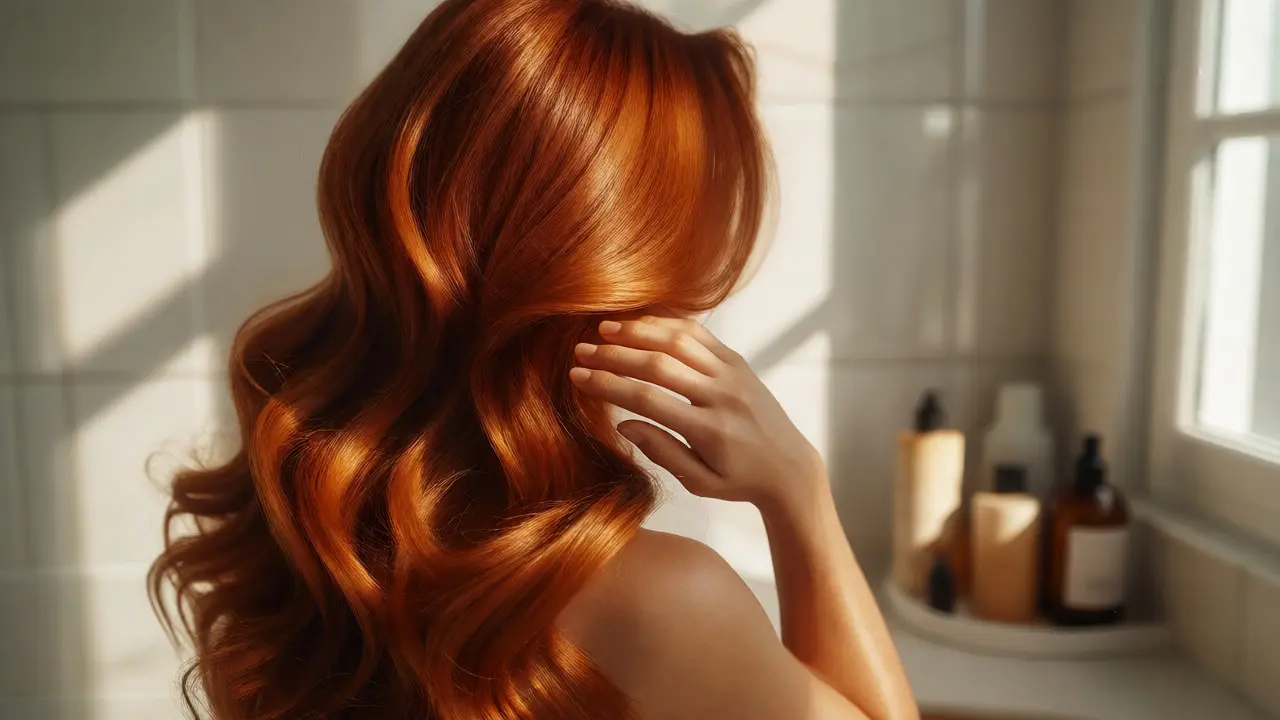
You just left the salon with a fresh shade that makes you feel unstoppable. Then, three weeks later, it looks dull, feels like straw, and your ends are snapping off. It’s frustrating, right? But here is the truth nobody tells you upfront: healthy color-treated hair isn't about finding one magic bottle of shampoo. It’s about managing damage before it happens.
Hair coloring changes the physical structure of your hair shaft. It doesn’t just sit on top; it opens up the cuticle to let pigment in. Once that door is open, moisture escapes and proteins leak out. The "secret" to keeping your color vibrant and your hair strong is actually a strategy called damage budgeting. You spend less chemical stress during the process and then protect what’s left every single day. Let’s break down exactly how to do that without turning your routine into a science experiment.
Start With the Right Chemical Choices
The biggest mistake people make is thinking all dyes are created equal. They aren’t. If you want healthier hair, start by choosing the least aggressive service that gets you the look you want. The American Academy of Dermatology (AAD) has a solid rule of thumb: stay within three shades of your natural color. Why? Because going lighter requires bleach or high-volume peroxide, which strips your hair’s natural melanin. That stripping process causes more structural damage than simply depositing a darker or similar tone.
| Service Type | Damage Potential | Best For | Lifespan |
|---|---|---|---|
| Demi-Permanent Gloss | Low | Refreshing tone, adding shine, blending grays | 4-6 Weeks |
| Semi-Permanent Dye | Very Low | Vibrant fashion colors, temporary changes | 3-5 Washes |
| Permanent Color | Moderate | Full gray coverage, significant shade change | Until grown out |
| Bleach/High-Lift | High | Going blonde, drastic lightening | Permanent structural change |
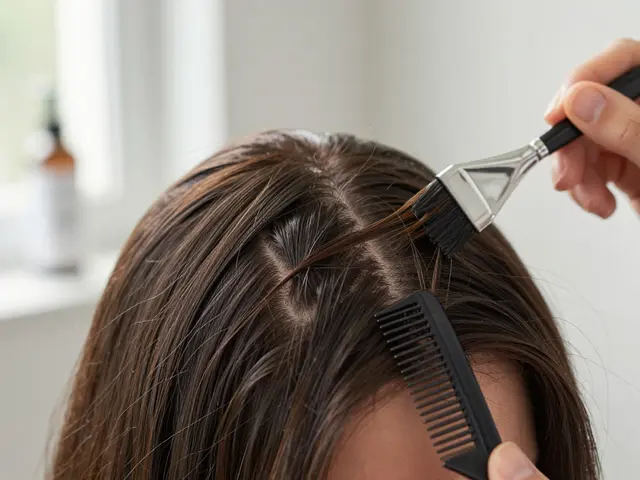
Notice that demi-permanent glosses are low-damage heroes. They deposit color without lifting your natural pigment significantly. If you’re already colored, ask your stylist to apply permanent dye only to new growth (roots). Dragging permanent color through previously bleached or dyed lengths causes "overlapping." This leads to cumulative porosity, where the hair becomes so porous it grabs too much color, turns muddy, and breaks easily.
Master the Washing Routine
Washing is where most color fades happen. Water itself can swell the hair cuticle, letting pigment slip out. Hot water makes this worse. So, stop scrubbing your scalp with scalding water and harsh shampoos every morning.
There is no universal schedule for washing, but two to three times a week is a good baseline for many people. If you have an oily scalp or work out daily, you might need to wash more often. The key is using the right products. Look for sulfate-free shampoos. Sulfates are strong detergents that strip natural oils and accelerate color fading. Instead, use gentle, mildly acidic cleansers (pH 4.5-5.5) that keep the cuticle closed.
- Wait 48 Hours: After your appointment, try not to wash your hair for at least two days. This gives the cuticle time to settle and lock in the pigment.
- Cooler Water: Rinse with lukewarm or cool water. Hot water opens the cuticle; cold water seals it.
- Focus on Scalp: Shampoo only the roots. Let the suds run down the lengths as you rinse. Don’t pile your hair on top of your head and scrub the ends.
- Condition Every Time: Apply conditioner from mid-lengths to ends. This replaces lost lubrication and smooths the surface.
If you swim, chlorine and salt water are enemies of color. Before jumping in the pool, wet your hair with clean water and apply a leave-in conditioner. This acts as a barrier so your hair absorbs less chlorinated water. Wear a swim cap if you can. Always rinse immediately after swimming.
Protect Against Heat and Sun
Colored hair is more vulnerable to dehydration and breakage because its protective layer is compromised. Heat styling tools-blow dryers, straighteners, curling irons-can literally boil the moisture inside the hair shaft. Air-drying is always the healthiest option, but if you must use heat, follow these rules:
- Apply a heat protectant spray or cream to damp hair before drying.
- Use the lowest effective temperature setting. High heat isn’t necessary for most hair types.
- Keep the tool moving. Never clamp down on the same section repeatedly.
Sun exposure is another silent killer. UV rays oxidize dye molecules, causing them to fade and turn brassy. The AAD recommends wearing a wide-brimmed hat when you’re outside for long periods. Think of it as sunscreen for your hair. If you don’t like hats, look for leave-in conditioners with UV filters.
Treat Allergies and Patch Test
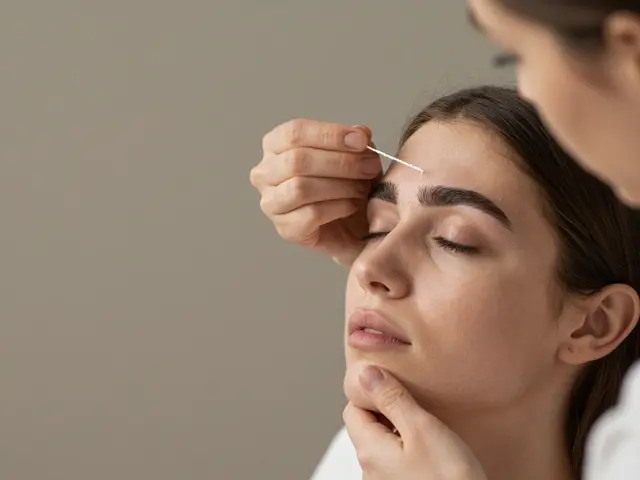
Healthy hair starts with a healthy scalp. Many permanent dyes contain paraphenylenediamine (PPD), a common allergen. Even if you’ve used the same brand for years, you can develop an allergy suddenly. The FDA advises patch testing before every application. Put a small amount behind your ear or on the inner elbow, wait 48 hours, and check for redness or itching. If you react, stop using that product immediately. Ignoring a mild itch can lead to severe swelling or blistering.
Repair vs. Maintain
Let’s be real: once hair is damaged, you can’t biologically repair it. Hair is dead tissue. Products can temporarily fill gaps in the cuticle, making hair feel smoother and look shinier, but they don’t regenerate the original structure. Bond-building treatments (like Olaplex or K18) help stabilize broken disulfide bonds during chemical services, reducing future damage. But they aren’t miracle cures for split ends.
If your ends are splitting, trim them. No amount of serum will glue a split end back together permanently. Regular trims prevent splits from traveling up the shaft and causing more breakage. Aim for a trim every 8-12 weeks.

Common Mistakes to Avoid
You might be sabotaging your own hair without knowing it. Here are the usual suspects:
- Overusing Purple Shampoo: Purple shampoo tones brassiness in blonde hair, but it’s a toner, not a treatment. Overuse can leave hair looking dull, gray, or uneven. Use it once a week max, followed by a deep conditioner.
- Clarifying Too Often: Clarifying shampoos remove buildup but also strip color. Save them for occasional use when you have heavy product residue, not as a weekly staple.
- Ignoring Protein Balance: Colored hair often needs protein to strengthen, but too much protein makes hair stiff and brittle. Alternate protein treatments with moisturizing masks to keep hair flexible.
- Coloring Over Damaged Hair: If your hair is already breaking, don’t add more chemicals. Wait until it’s stronger, or switch to a gentler gloss service.
Your Action Plan for Vibrant Hair
Keeping color-treated hair healthy is about consistency, not perfection. You don’t need expensive salon treatments every month. You need a smart routine. Start by evaluating your current color service-are you using more lift than necessary? Next, audit your shower habits. Are you using hot water and harsh sulfates? Switch to cooler water and gentle cleansers. Add heat protection to your styling routine, even if you only blow-dry occasionally. Finally, listen to your hair. If it feels dry, add moisture. If it feels weak, consider a bond builder or protein mask.
Remember, the goal isn’t virgin hair anymore. It’s beautiful, intentional, well-maintained colored hair. By minimizing chemical stress and protecting your strands from environmental factors, you’ll keep your color looking fresh longer and your hair feeling strong.
How often should I wash color-treated hair?
Most experts recommend washing two to three times a week. However, this depends on your scalp type. Oily scalps may require more frequent washing, while dry scalps can go longer. The key is using sulfate-free shampoo and cool water to minimize fading.
Is sulfate-free shampoo really necessary for colored hair?
Sulfates are strong cleansing agents that can strip natural oils and accelerate color fading. While not strictly mandatory, sulfate-free shampoos are widely recommended by professionals because they are gentler and help preserve color vibrancy and moisture levels.
Can I reverse damage from hair dye?
You cannot biologically repair dead hair cells. However, you can improve the appearance and strength of damaged hair using bond-building treatments, protein masks, and regular trims. Prevention is far more effective than trying to fix severe structural damage after it occurs.
Why does my hair feel sticky after coloring?
Sticky or gummy hair usually indicates over-processing or excessive protein loss. It means the hair cuticle is severely disrupted. Stop using heat, avoid further chemical services, and focus on intensive moisturizing treatments. If the problem persists, consult a professional stylist for a assessment.
Does sun really fade hair color?
Yes, UV radiation breaks down dye molecules, causing color to fade and often turning blonde or brown hair brassy or orange. Wearing a hat or using hair products with UV filters can significantly slow down this process.