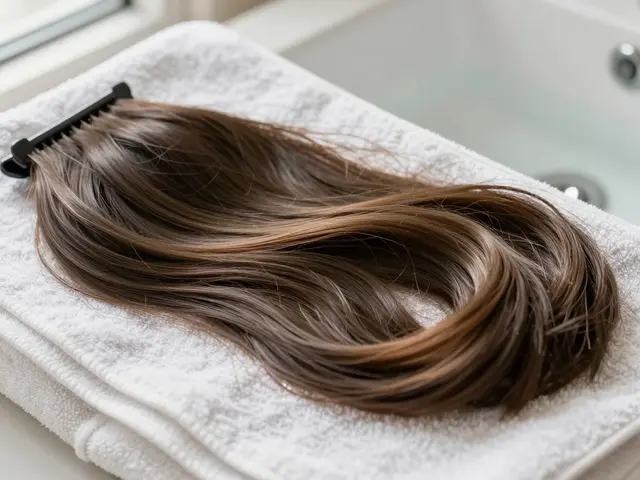

When you wax, you’re not killing hair follicles—you’re pulling hair out from the root. This is different from shaving, which just cuts hair at the surface. waxing hair growth, the process of removing hair by the root using wax, leads to slower regrowth and finer texture over time. Also known as root-level hair removal, it’s one of the most effective long-term methods for smooth skin without chemicals. But here’s the thing: waxing doesn’t stop hair from growing back. It just changes how it comes back. After several sessions, many people notice hair grows back thinner, lighter, and sometimes sparser—not because the follicles are destroyed, but because repeated pulling weakens them slightly over time.
That’s why timing matters. If you wax too soon, the hair is too short to grip, and you end up with patchy results. Wait until hair is about 1/4 inch long—that’s roughly the length of a grain of rice. Most people need to wait 3 to 6 weeks between sessions, depending on body area and individual growth speed. eyebrow waxing, a popular method for shaping and cleaning up brow lines. Also known as brow waxing, it’s especially sensitive because facial skin is thinner and more reactive. Over-waxing eyebrows can damage follicles, leading to patchy or slower regrowth. That’s why many people turn to honey wax hair removal, a gentler, natural alternative made from honey, sugar, and lemon. Also known as sugar waxing, it’s less likely to irritate skin or cause ingrown hairs. It’s a smart choice if you’re sensitive or want to reduce redness after waxing.
Waxing doesn’t make hair grow faster or thicker—that’s a myth. What it does is remove the coarsest hairs first, so what grows back feels softer. But if your skin is irritated or burned, that can mess with regrowth. A wax burn on your upper lip or bikini line doesn’t just hurt—it can delay hair growth in that spot while the skin heals. That’s why aftercare matters. Aloe vera, cool compresses, and avoiding sun exposure help skin recover faster. And if you’re trying to grow back fuller eyebrows after over-waxing, don’t reach for a pencil. Castor oil, applied nightly, has helped many people restore natural thickness over weeks—not because it’s magic, but because it supports follicle health.
Some people think waxing causes more hair to grow back. It doesn’t. What happens is you start noticing hair more because you’re paying attention to it. Before waxing, you might have been shaving, which makes stubble look darker and denser. After waxing, the hair grows back finer and lighter, so you notice it less. But if you stop waxing, hair will return to its normal growth pattern.
What you’ll find below are real, no-fluff guides on everything from how long to wait between waxes, how to reduce pain, how to fix burns, and why honey wax might be better than traditional wax for sensitive skin. These aren’t theory pieces—they’re from people who’ve been there, done that, and learned what actually works.
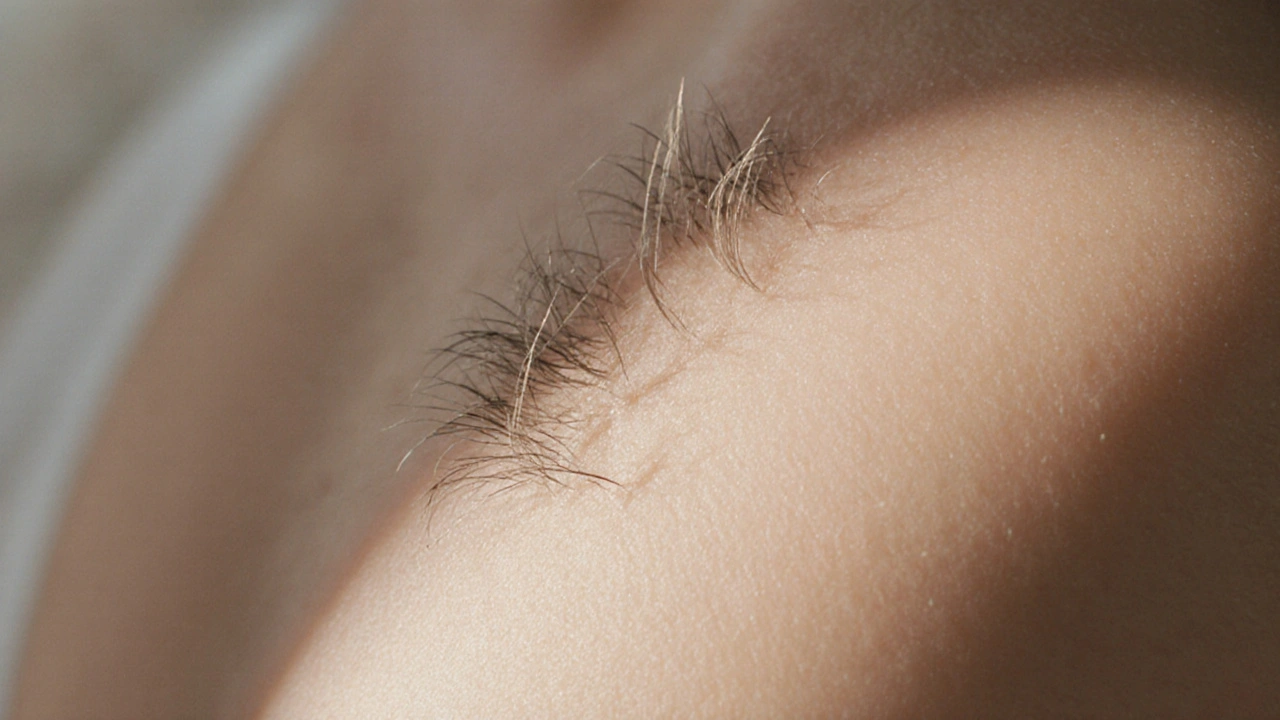
Waxing doesn't make hair grow back faster or thicker - it just feels that way. Learn why the myth persists and what actually affects hair regrowth after waxing.
 15
15