
When you want longer, fuller hair without the commitment, temporary hair extensions, removable hair additions that don’t require glue, sewing, or permanent bonding. Also known as clip-in extensions, they’re the easiest way to switch up your look for a day, a wedding, or a photo shoot. Unlike sew-ins or keratin bonds that stay in for weeks, these stay put only as long as you want them to—pull them out before bed, toss them in a box, and wake up with your natural hair untouched.
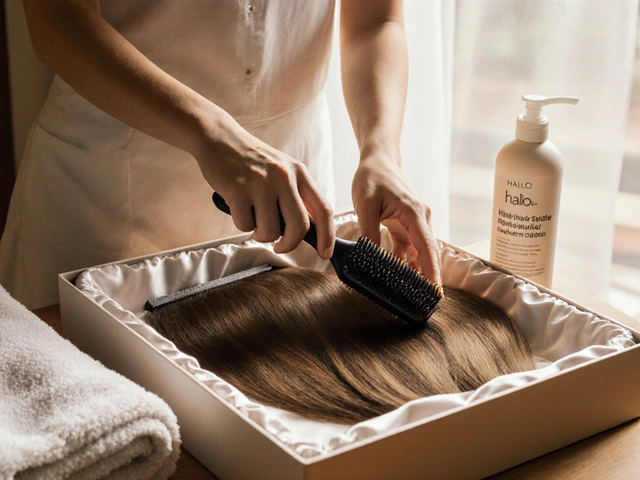
Most people start with clip-in extensions, pieces with metal or silicone clips that snap into your hair. They’re the most common because they’re cheap, easy to use, and don’t require a salon. But if you have thin hair or want a seamless blend, halo extensions, a single weft with a thin invisible wire that sits around your head like a crown. Also known as one-piece extensions, they’re lighter, faster to put on, and ideal for short hair or fine textures. Tape-ins can also be temporary if you only leave them in for a week or two, but they’re usually marketed as semi-permanent. For real temporary use, stick with clips or halos—they’re designed to be daily wear, not long-term fixtures.
These extensions work best for people who want volume without damage, color without bleach, or length without waiting months for growth. They’re perfect for brides, event-goers, or anyone who just wants to feel different without changing their hair permanently. The key is matching the texture and color to your own hair—cheap synthetic ones look fake and tangle fast. Real human hair, even if it’s a small weft, blends naturally and lasts longer with proper care.
You don’t need a salon to use them. Put them in while your hair is dry, clip them close to your scalp, and style as usual. Heat tools? Fine—just keep the temperature low if they’re human hair. Wash them gently, let them air dry, and store them flat or on a wig stand. Skip the sulfate shampoos. Don’t sleep in them. That’s it.
Some think temporary means low quality, but that’s not true. High-end clip-ins can last over a year if you treat them like your own hair. The real difference isn’t price—it’s how you use them. Wear them once a week? They’ll last. Wear them daily, every day, without care? They’ll tangle and break. It’s not magic—it’s maintenance.
And if you’ve ever tried extensions and felt like they slipped, looked bulky, or just didn’t blend? That’s usually because of placement. Clips need to sit where your natural hair is thickest. Halos need to sit snug against your crown, not your forehead. Too high? You’ll see the wire. Too low? They’ll slide off. A little trial and error goes a long way.
Below, you’ll find real guides on how to install them, how to care for them, which types work for short hair, and how to avoid the mistakes most beginners make. No fluff. No upsells. Just what actually works.
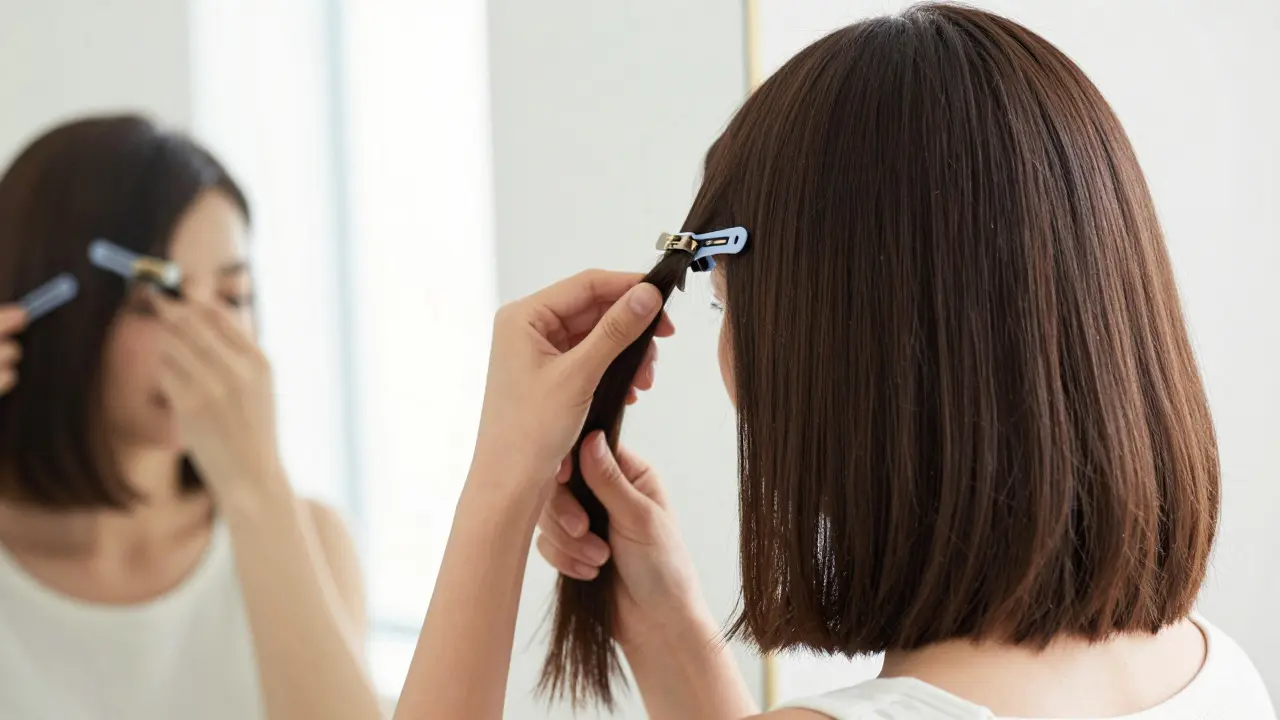
Clip-in hair extensions are a quick, non-damaging way to add length or volume to short hair. Learn how to choose, apply, and care for them for a natural look without commitment.
 12
12
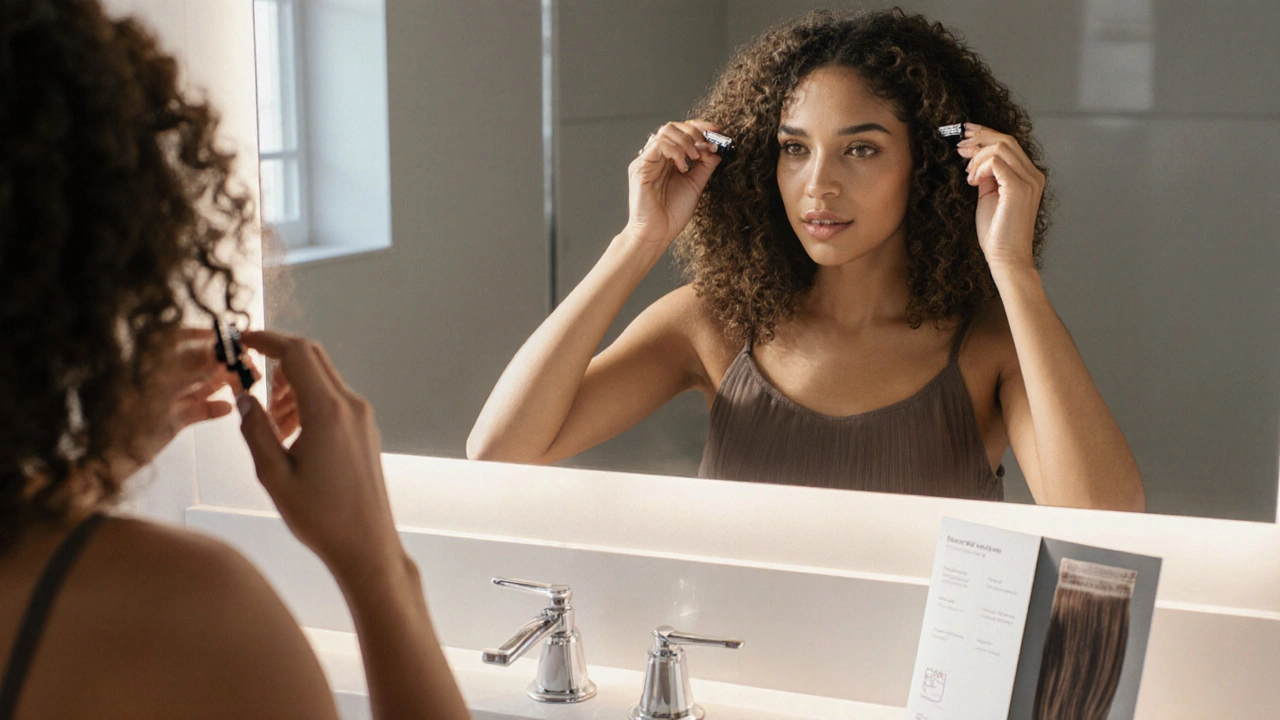
Discover the best clip-in hair extensions for natural hair in 2025. Learn what makes them blend seamlessly, how to apply them properly, and which brands deliver real results without damage.
10
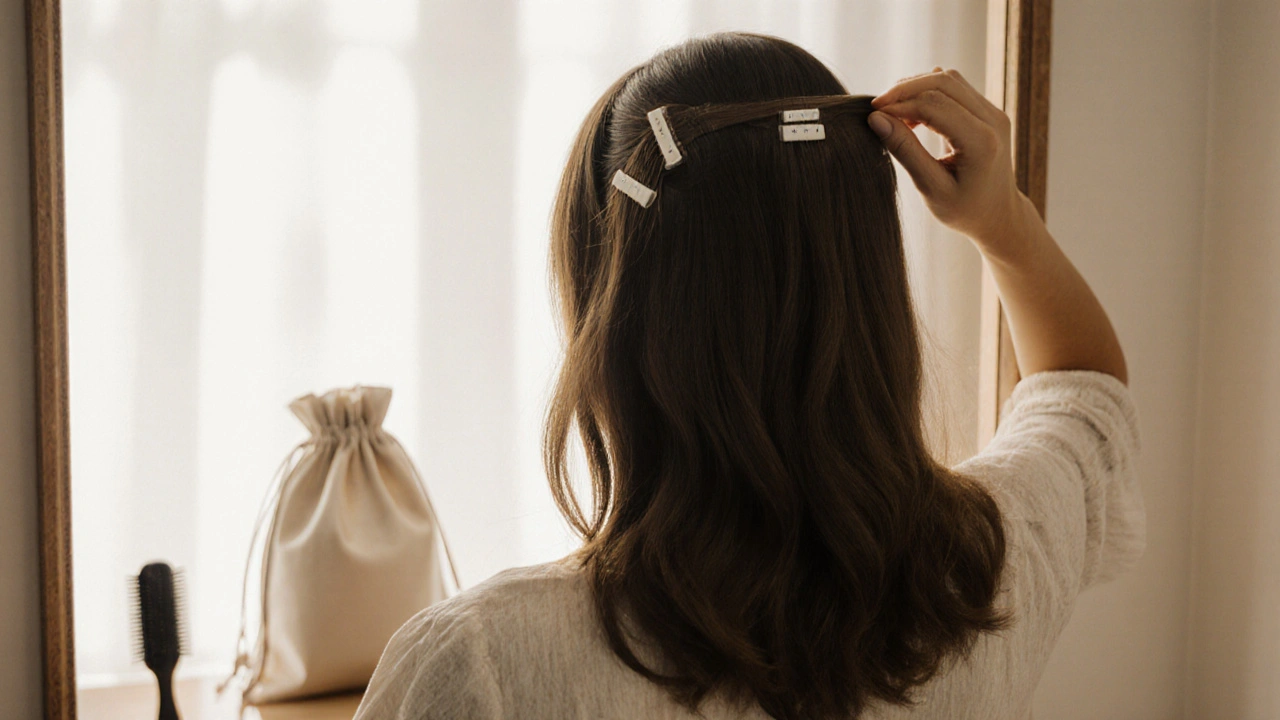
Discover the best clip-in hair extensions for natural hair in 2025, including top brands, color matching tips, care routines, and how to avoid common mistakes that damage your hair.
14