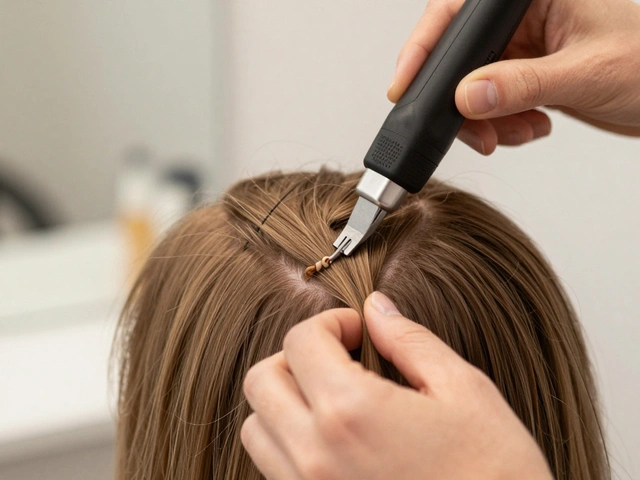

When you hear real human hair extensions, hair additions made from actual human hair, not synthetic fibers, that blend naturally with your own hair and can be styled like your scalp hair. Also known as 100% human hair extensions, they’re the gold standard for anyone wanting length, volume, or a new color without damage to their natural hair. Unlike synthetic ones that melt under heat or look shiny and fake, real human hair moves, frizzes, and reacts to humidity just like your own strands. That’s why salons and clients alike keep coming back to them.
Not all real human hair is the same, though. The best kind is Remy human hair, hair collected with the cuticles intact and aligned in one direction, which prevents tangling and gives a smoother, shinier result. This is the type used in high-end extensions and lasts longer because it’s less prone to matting. Then there’s non-Remy hair—cheaper, but the cuticles are often stripped or reversed, which can lead to knots and a shorter lifespan. If you’re spending money on extensions, go for Remy. It’s worth it.
How they’re attached matters too. Fusion hair extensions, bonded strand by strand with keratin, offer a seamless, long-term look. They’re great if you want something that lasts months and doesn’t need daily reapplication. But if you’re new to extensions or just want to try them out, clip-in hair extensions, easy-to-use pieces you snap in and out. give you instant results with zero commitment. Tape-ins sit in the middle—less visible than clips, easier to install than fusion, and still removable. Each method has trade-offs in cost, maintenance, and how natural they look.
And here’s the thing: real human hair extensions aren’t set-and-forget. If you treat them like your own hair, they’ll last. Wash them gently with sulfate-free shampoo, brush them from the ends up, and never sleep with them wet. Heat tools? Fine—if you use a heat protectant and keep the temperature under 350°F. But skip the bleach. Once hair is removed from the scalp, it can’t regenerate, so coloring it too much will dry it out and break it. That’s why most pros recommend staying within two shades of your natural color.
You’ll also find that caring for them isn’t just about washing and styling—it’s about storage. Keep them in a silk bonnet or on a wig stand when not in use. Don’t toss them in a drawer. Tangles now mean hours of detangling later. And if you’re using them for special events or travel, bring a travel-sized bottle of leave-in conditioner. A little moisture goes a long way.
What you’ll find below are real, practical guides written by people who work with these every day. No fluff. No marketing hype. Just clear answers: how to pick the right type, how to avoid common mistakes that ruin extensions, how to make them last longer, and what to do when they start looking dull or tangled. Whether you’re thinking about trying them for the first time or you’ve had them for years and want to do better, there’s something here for you.
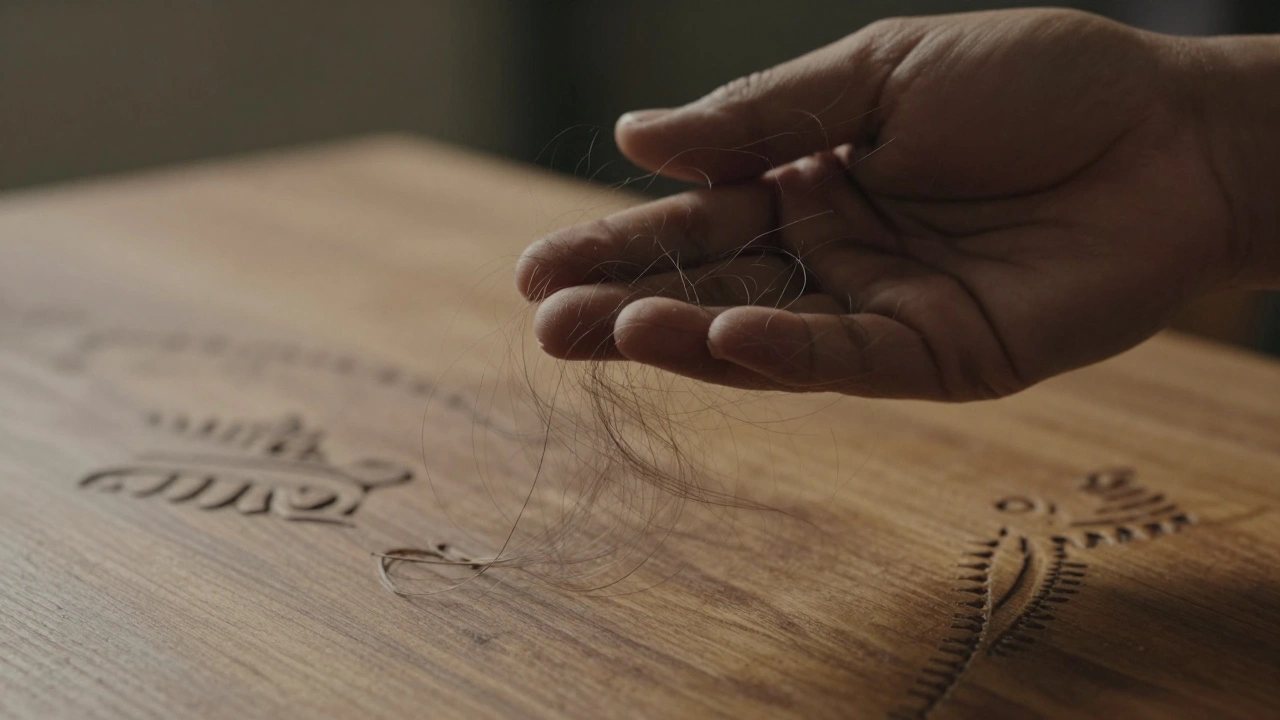
Learn who sells real human hair weaves and how to avoid scams. Discover trusted vendors, what to look for, and how to test hair quality before you buy.
 13
13