
When you hear plant-based hair color, a hair dye made from natural ingredients like henna, indigo, or chamomile, without synthetic chemicals. Also known as natural hair dye, it works by coating or staining the hair instead of stripping it open with harsh ingredients. Unlike traditional dyes that use ammonia, peroxide, or PPD to force color deep into your strands, plant-based options sit gently on the surface. That means less damage, less irritation, and no scalp burns—something real people in North Carolina are choosing after bad experiences with box dyes.
It’s not just about avoiding chemicals. Many who switch to plant-based hair color, a hair dye made from natural ingredients like henna, indigo, or chamomile, without synthetic chemicals. Also known as natural hair dye, it works by coating or staining the hair instead of stripping it open with harsh ingredients do it because they want coverage for grey without risking an allergic reaction. One client here came in with red, flaky patches after using a "gentle" brown box dye—turns out, it had PPD hidden in the ingredients. She switched to henna and hasn’t had a flare-up since. ammonia-free hair dye, any hair color formula that doesn’t use ammonia to open the hair cuticle for deeper penetration. Also known as chemical-free hair dye, it relies on milder agents like MEA or just plant pigments still isn’t always safe if it contains other toxins. True plant-based formulas skip everything synthetic, including resorcinol and parabens. And yes, they can cover grey—just differently. Henna gives rich red-brown tones, indigo adds cool blues and blacks, and chamomile brightens blonde. You don’t get the exact shade of "ash brown #5.33" you see in salons, but you get something healthier that grows out naturally.
What you’ll find in the posts below isn’t marketing fluff. It’s real talk from people who’ve tried every kind of dye—from drugstore boxes to salon treatments—and ended up with dry, brittle hair or angry scalps. You’ll learn which brands actually deliver on their "natural" claims, how to apply henna without staining your skin, and why mixing dye with conditioner can ruin your color even if it’s plant-based. There’s also a breakdown of why ammonia is in most dyes (and why you don’t need it). You won’t find vague promises like "it’s better for your hair." You’ll find facts: how long the color lasts, what it looks like on dark or curly hair, and what to expect when you go from chemical to clean.
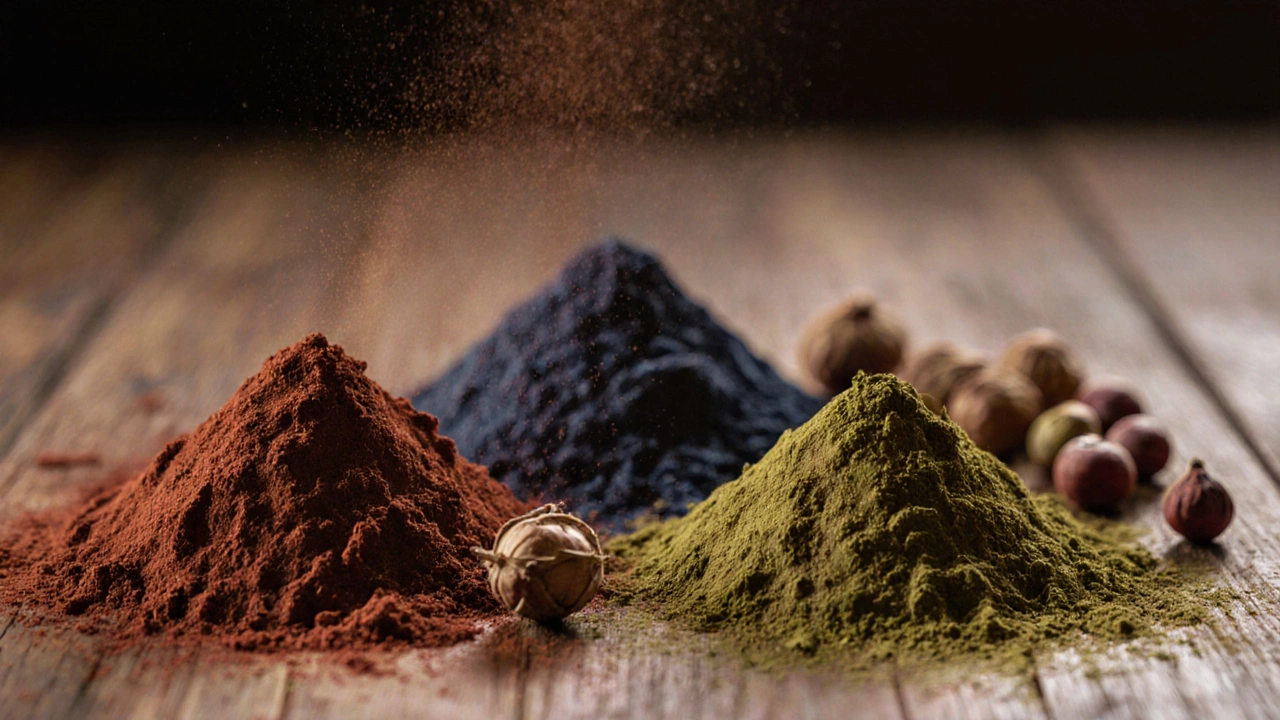
Many hair color products claim to be natural, but what's really in them? Learn which ingredients actually work, which ones are misleading, and how to choose a safe, effective plant-based dye without falling for marketing tricks.
 12
12