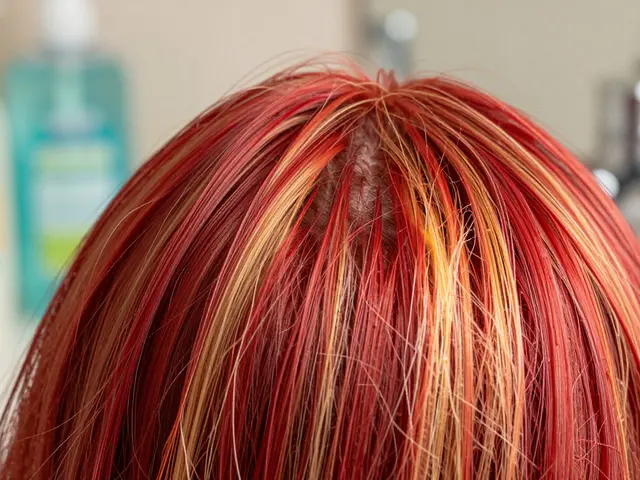

When you get your hair colored with a permanent hair dye shampoo, a specialized shampoo designed to maintain color-treated hair by sealing in pigment and reducing fade. Also known as color-protecting shampoo, it doesn’t dye your hair—it keeps the dye you already have from washing out too fast. Unlike regular shampoos that strip oils and color, these formulas use gentle cleansers and ingredients like UV filters, antioxidants, and low-sulfate surfactants to preserve your tone without drying out your strands.
Permanent hair dye works by opening the hair cuticle with chemicals like ammonia or MEA, letting pigment sink deep into the cortex. Once that color is in, your hair needs protection. Regular shampoos, especially those with sulfates, act like sandpaper on that new color. Over time, your rich brown, bold red, or platinum blonde starts looking dull, brassy, or washed out. That’s where color-protecting shampoo, a product formulated to extend the life of artificial hair color comes in. It doesn’t reverse fading—it slows it down. And if you’re using ammonia-free hair dye, a hair color that uses alternative developers like MEA instead of ammonia to lift pigment, you’ll want a shampoo that matches its gentler chemistry. Harsh cleansers can undo the benefits of ammonia-free formulas by stripping moisture and color faster than they’re meant to.
Not all permanent hair dye shampoos are created equal. Some just add silicone to make hair feel smooth—glossy, but not protected. Others include actual color-stabilizing agents like panthenol, keratin, or plant extracts that reinforce the hair’s structure. If your color fades quickly, especially around the roots or ends, it’s not just your water or sun exposure. It’s likely your shampoo. And if you’ve ever noticed your hair turning orange after a few washes, that’s a sign your shampoo isn’t blocking the oxidation process that causes brassiness.
What you’ll find in the posts below are real, no-fluff answers to questions like: Can you mix conditioner with permanent dye? Why does your hair look grey after using brown box dye? Is honey wax safer than chemical dyes? These aren’t random topics—they’re all connected to how hair reacts to color, how products interact, and what actually keeps color looking fresh. Whether you’re dealing with stubborn grey coverage, sensitive scalp reactions, or just tired of washing your hair every other day because the color’s gone, the advice here cuts through the marketing and gives you what works.
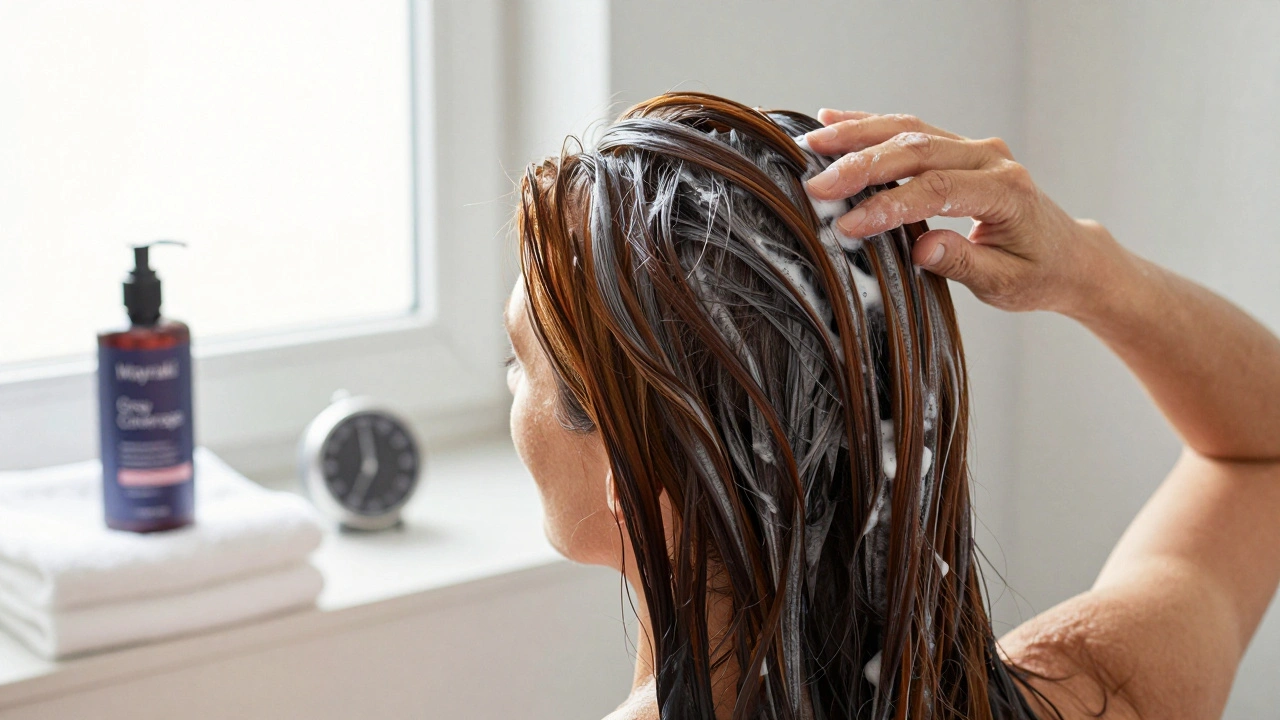
Discover the best hair color shampoos for 2025 that cover gray naturally, without ammonia or salon visits. Learn how they work, which ones to buy, and how to use them right.
 8
8