
When you think of painless waxing, a hair removal method designed to minimize discomfort while removing hair from the root. Also known as gentle waxing, it’s not a myth—it’s a skill. Many people avoid waxing because they’ve had bad experiences, but the pain isn’t inevitable. It’s usually caused by wrong technique, bad products, or skipping prep. With the right approach, you can get clean, long-lasting results without wincing.
It’s not just about the wax. The wax formula, the type of resin and additives used to grip hair without sticking too hard to skin. Also known as hard wax, it’s the key for sensitive areas like the upper lip or bikini line matters. Hard wax sticks to hair, not skin, making it ideal for fine or curly hair. Soft wax? It’s cheaper but pulls on skin—perfect for legs, not eyebrows. Then there’s skin prep, the steps you take before waxing to reduce irritation and make hair easier to remove. Also known as pre-wax routine, it includes exfoliating 24 hours ahead, avoiding caffeine or alcohol, and making sure skin is dry and oil-free. Skip this, and you’re asking for redness and pain. And don’t forget timing. Waxing right before your period? Bad idea. Hormones make skin more sensitive. Wait a few days, and you’ll notice the difference.
People think threading or laser is gentler, but that’s not always true. Threading pulls each hair individually—no wonder it stings. Laser is expensive and not for everyone. Waxing, done right, is faster, more affordable, and gives you smooth skin for weeks. The trick isn’t enduring the pain—it’s avoiding it. That means using a wax designed for sensitive skin, keeping the room warm (cold skin = more pain), and pulling the strip fast and low, not up. Most salons skip these steps to save time. At home? You control the process. Use a cooling gel after, skip the hot shower for a few hours, and don’t rub the area. That’s how you avoid burns and bumps.
What you’ll find in these posts isn’t fluff. It’s real talk from people who’ve been there—wax burns on the upper lip, over-threaded eyebrows, waxing too soon after shaving. You’ll learn why some waxing kits still win over fancy gadgets, how to tell if your wax is too hot, and why your hair doesn’t grow back thicker after waxing (it just feels that way). Whether you’re new to it or you’ve been doing it for years, there’s something here to make your next session smoother, faster, and yes—painless.
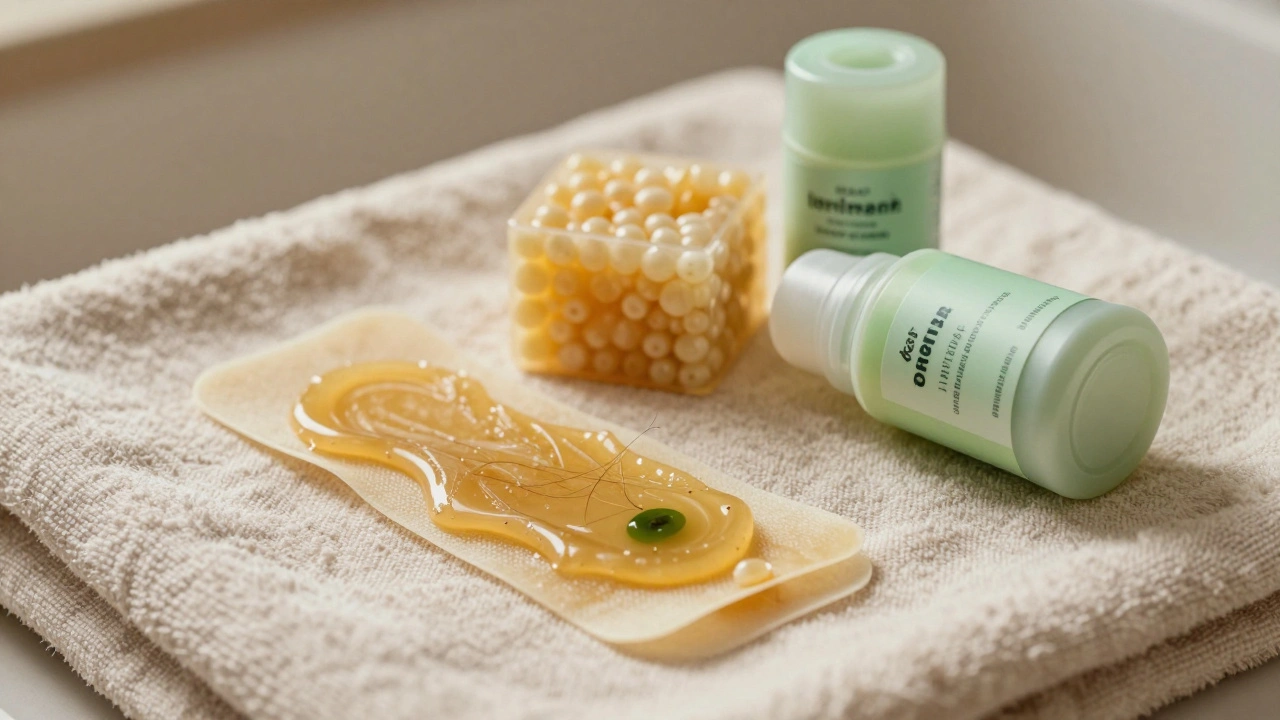
Discover gentle wax formulas that reduce pain and irritation for sensitive skin. Learn which wax types work best, what to avoid, and how to prep for painless results at home.
 9
9