
When you hear natural hair extensions, human hair pieces designed to look and move like your own strands without looking fake or bulky. Also known as real hair extensions, they’re not just about length—they’re about confidence that doesn’t scream "I got extensions." These aren’t the cheap, synthetic ones that tangle after one wash or shine under sunlight like plastic. Real natural hair extensions are made from 100% Remy human hair, cuticle-aligned, and processed minimally so they behave just like your own hair—whether you curl it, straighten it, or wash it with your regular shampoo.
What makes them truly "natural" isn’t just the material—it’s how they’re applied. clip-in hair extensions, temporary pieces with small metal clips that snap into your hair for instant volume or length are perfect for days you want a boost without commitment. tape-in hair extensions, thin wefts bonded with medical-grade adhesive that lay flat against your scalp last months and move with your hair, making them ideal for active lifestyles. Then there’s the halo hair extension, a single wire band with hair attached that sits on top of your head like a crown, adding fullness without clips or glue. It’s the easiest to put in, perfect for thinning crowns or short hair, and doesn’t touch your natural hair at all. Each type has trade-offs: clips are removable but can slip if your hair is fine; tapes blend well but need professional upkeep; halos are gentle but don’t add much length.
People in North Carolina choose natural hair extensions for all kinds of reasons—some want to recover from overbleaching, others need volume after thinning from stress or aging, and a lot just want to change their look without dyeing their roots. The best ones don’t just look real—they feel real. That means they’re lightweight, don’t pull on your scalp, and don’t tangle after a night’s sleep. You’ll find posts here that break down how to care for Bellami or Hot Head extensions, how to sleep with them without damage, and why washing them too much actually makes them look thinner, not fuller. You’ll also see what works for short hair, what doesn’t, and why some "natural" extensions still look fake because of poor blending or wrong texture matching. This isn’t about trends. It’s about finding what fits your life, your hair, and your routine—so you walk out the door feeling like it’s still you, just better.
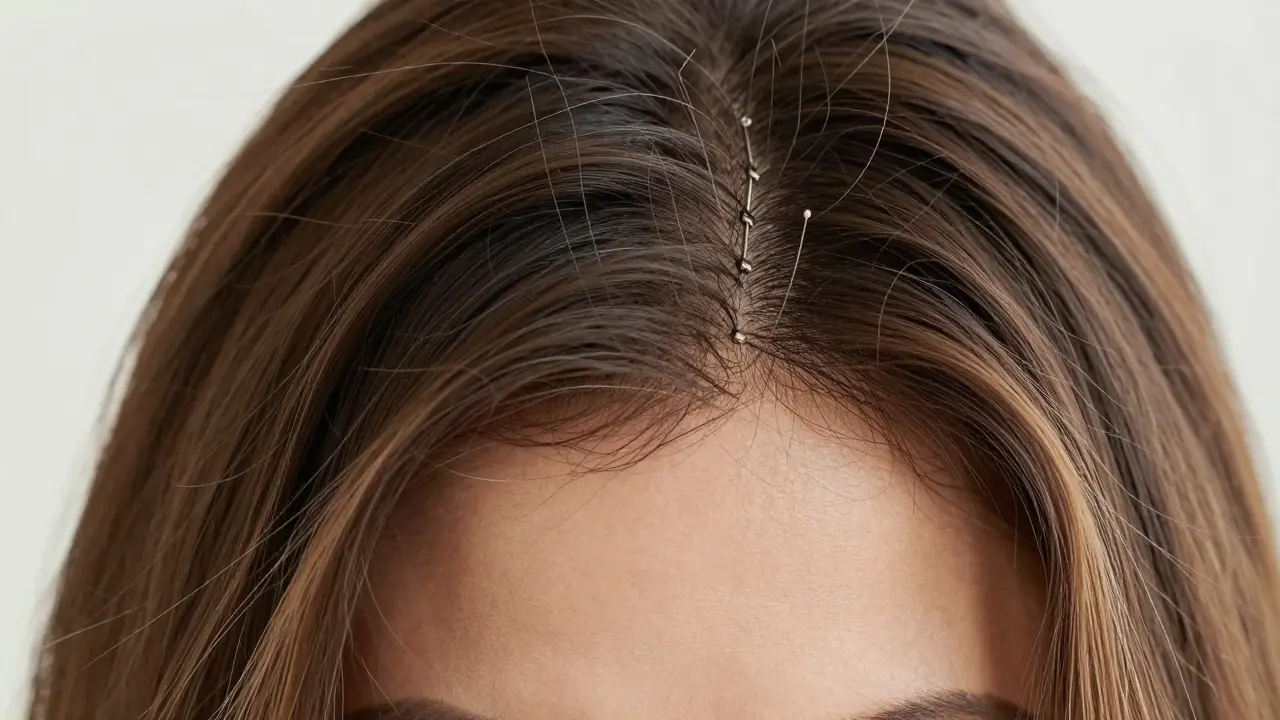
Discover the least visible hair extensions that blend naturally with your own hair. Learn about micro-link, keratin bonded, and hand-tied wefts-plus tips on color matching, placement, and care to stay undetected.
 15
15
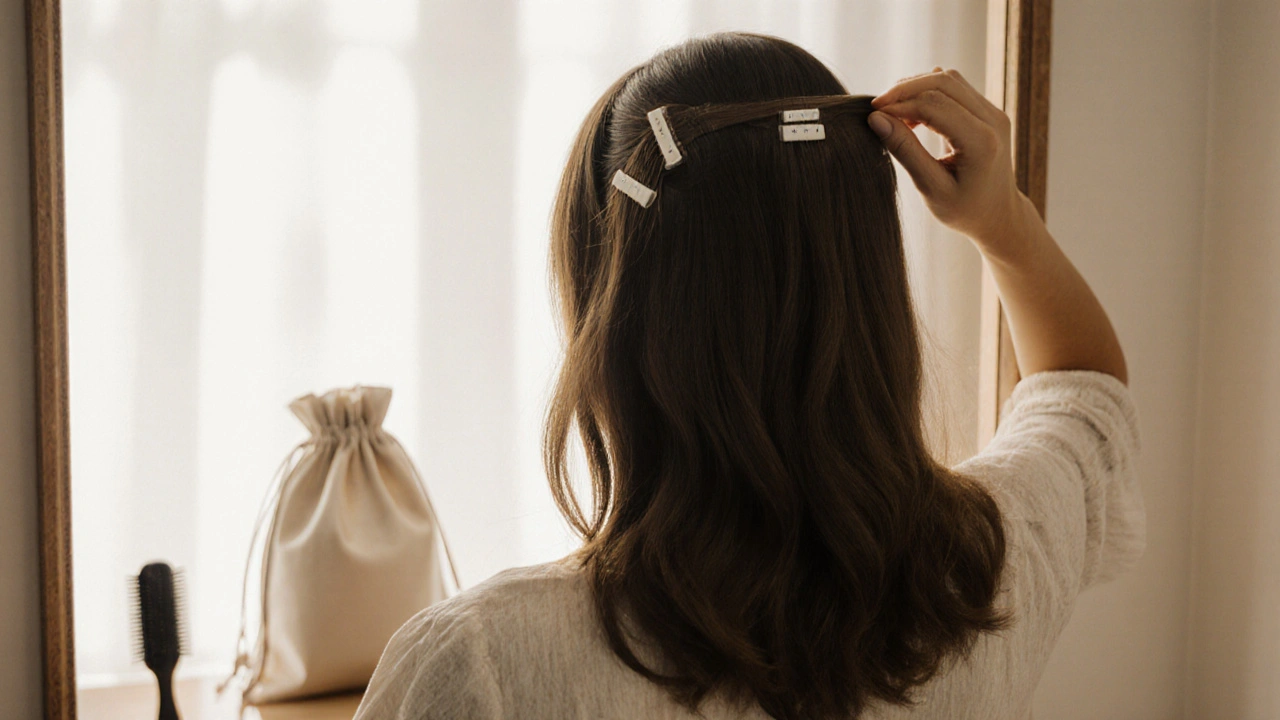
Discover the best clip-in hair extensions for natural hair in 2025, including top brands, color matching tips, care routines, and how to avoid common mistakes that damage your hair.
14