
When you pick a natural hair color ingredients, substances like henna, indigo, cassia, and plant-based oils used to color hair without synthetic chemicals. Also known as chemical-free hair dye, these ingredients are chosen because they don’t strip your scalp or damage your strands like ammonia or PPD do. But not all "natural" labels are honest. Some brands mix in hidden synthetics and call it organic. Real natural hair color ingredients come from plants, minerals, or food-grade sources—nothing engineered in a lab.
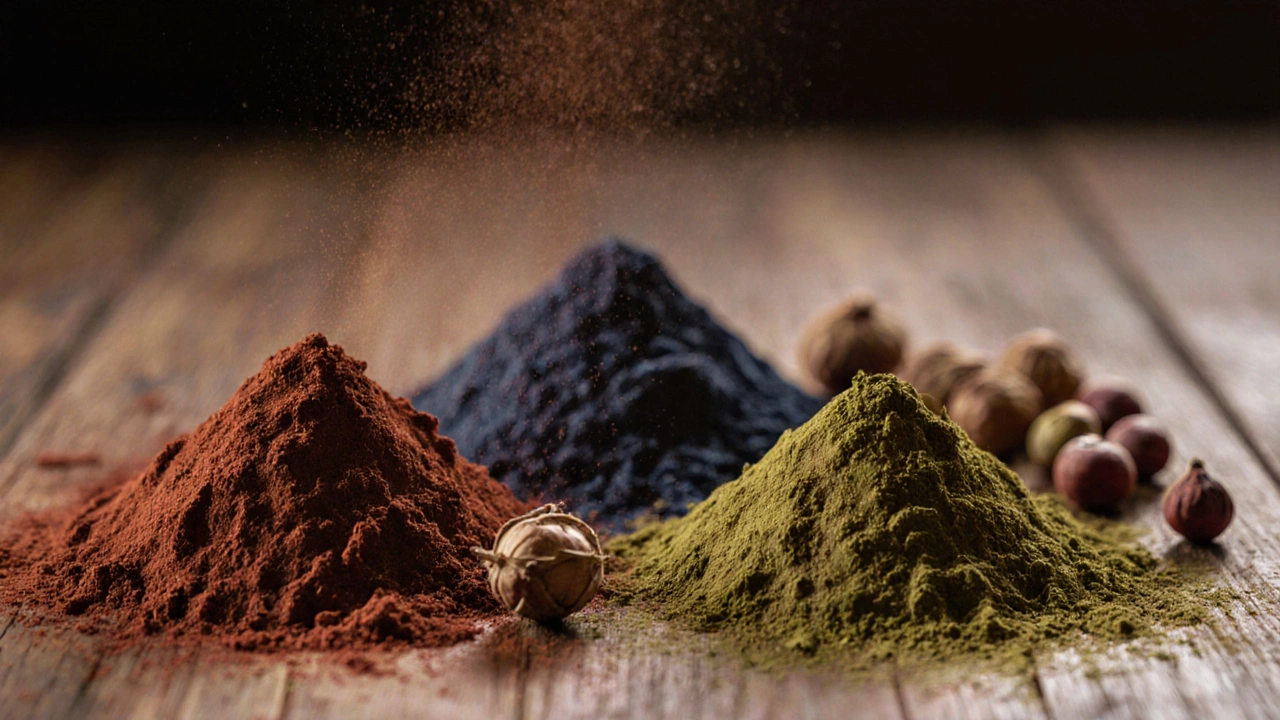
Take henna hair color, a plant-based dye made from the leaves of the Lawsonia inermis plant, used for centuries to stain hair reddish-brown and condition it naturally. It doesn’t lift pigment—it coats the hair shaft. That’s why it’s safe for sensitive scalps and works well for covering grey without the burn of traditional dyes. But henna alone won’t give you black or blonde. For darker tones, it’s often mixed with indigo, a blue plant dye that, when combined with henna, creates deep brown or black shades. Together, they form a clean, non-toxic alternative to box dyes. Then there’s ammonia-free hair dye, formulas that use alternatives like MEA or ethanolamine to open the hair cuticle without the sharp smell or irritation of ammonia. These are better than traditional dyes, but still not fully natural—they’re just less harsh.
What you won’t find in real natural hair color ingredients? Parabens, sulfates, resorcinol, or synthetic fragrances. These irritate skin, trigger allergies, and weaken hair over time. If your dye’s ingredient list reads like a chemistry textbook, it’s not natural. Real ones list things like aloe vera, coconut oil, chamomile, or coffee grounds. They might not give you jet black in one step, but they protect your scalp and hair while coloring. And if you have Indian hair—often thicker, coarser, and prone to dryness—these gentle formulas are the only ones that won’t leave your strands brittle or your scalp flaky.
Some people think natural means weak color. That’s not true. Henna and indigo build up over time. The first application fades fast, but the second and third? They last weeks longer than store-bought dyes. And because they don’t penetrate the hair shaft, they don’t cause breakage. You get color that grows out softly, not harsh roots.
What about waxing? You might wonder why we’re talking about it here. Because if you’re using natural hair color ingredients, you’re probably also avoiding harsh chemicals elsewhere—like in your wax. That’s why many of our clients who switch to henna also switch to honey wax. It’s the same mindset: less chemicals, more care.
Below, you’ll find real stories and guides from people who’ve made the switch—from avoiding ammonia to choosing the right plant-based dyes for their hair type. Whether you’re dealing with grey coverage, scalp sensitivity, or just want cleaner beauty habits, these posts give you the facts without the fluff.
Many hair color products claim to be natural, but what's really in them? Learn which ingredients actually work, which ones are misleading, and how to choose a safe, effective plant-based dye without falling for marketing tricks.
 12
12