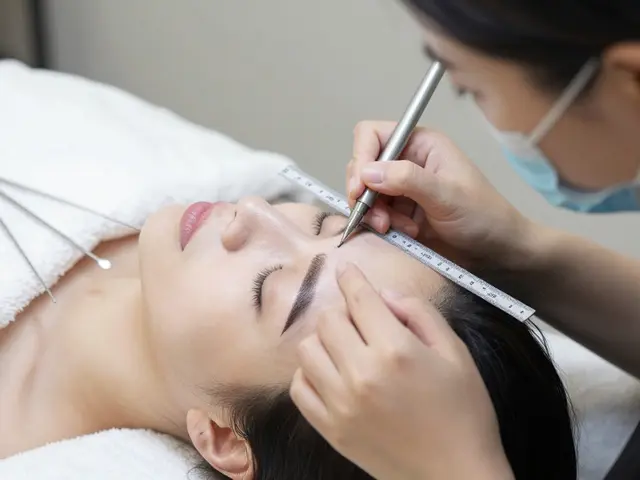

When you hear microblading, a semi-permanent cosmetic technique that draws fine, hair-like strokes into the skin to mimic natural eyebrow hairs. Also known as eyebrow tattoo, it’s not a tattoo in the traditional sense—it’s more like precision drawing with a handheld tool that deposits pigment just under the skin’s surface. Unlike full eyebrow tattoos that can look solid and unnatural, microblading is designed to look like your own hairs, just thicker and fuller. It’s popular because it saves time, eliminates smudged makeup, and gives you confidence even on days you don’t feel like doing your brows.
Microblading works best for people with sparse, patchy, or over-plucked brows. It doesn’t grow hair—you’re not getting new follicles—but it fills in gaps so your brows look complete. The results last 1 to 3 years, depending on your skin type, sun exposure, and how well you follow aftercare. People with oily skin might see the pigment fade faster, while those with dry skin often get longer-lasting results. A good technician will match your natural hair color and shape, so your brows look like they’ve always been there, just better. It’s not for everyone, though. If you have active acne, keloid scarring, or are pregnant, most professionals won’t perform it. And if you’re expecting perfection right away, you might be disappointed—it takes a touch-up at 4 to 6 weeks to fine-tune the shape and color.
eyebrow grooming, the practice of shaping and maintaining eyebrows for a polished look has changed a lot over the years. Threading, waxing, and pencils used to be the go-to tools. Now, microblading sits at the center of a new standard: long-lasting, natural-looking brows. It’s closely tied to permanent makeup, cosmetic procedures that apply pigment to the skin for lasting color, but microblading is more delicate and specific. It doesn’t cover the whole brow like a stamp—it builds one hair stroke at a time. That’s why it looks real. And because it’s so detailed, it requires a skilled artist. A bad microblading job can leave you with uneven, too-dark, or oddly shaped brows that take months to fade. That’s why you should never choose based on price alone.
What you’ll find in the posts below are real stories and expert tips about what happens before, during, and after microblading. You’ll see how it compares to other brow treatments like threading and waxing, what to do if you get a bad result, and how to care for your brows so they heal right. There’s also advice on choosing the right pigment shade, avoiding sun damage, and fixing mistakes without laser removal. Whether you’re thinking about trying it or you’ve already done it and want to know what’s normal, these posts give you the no-fluff facts you need.
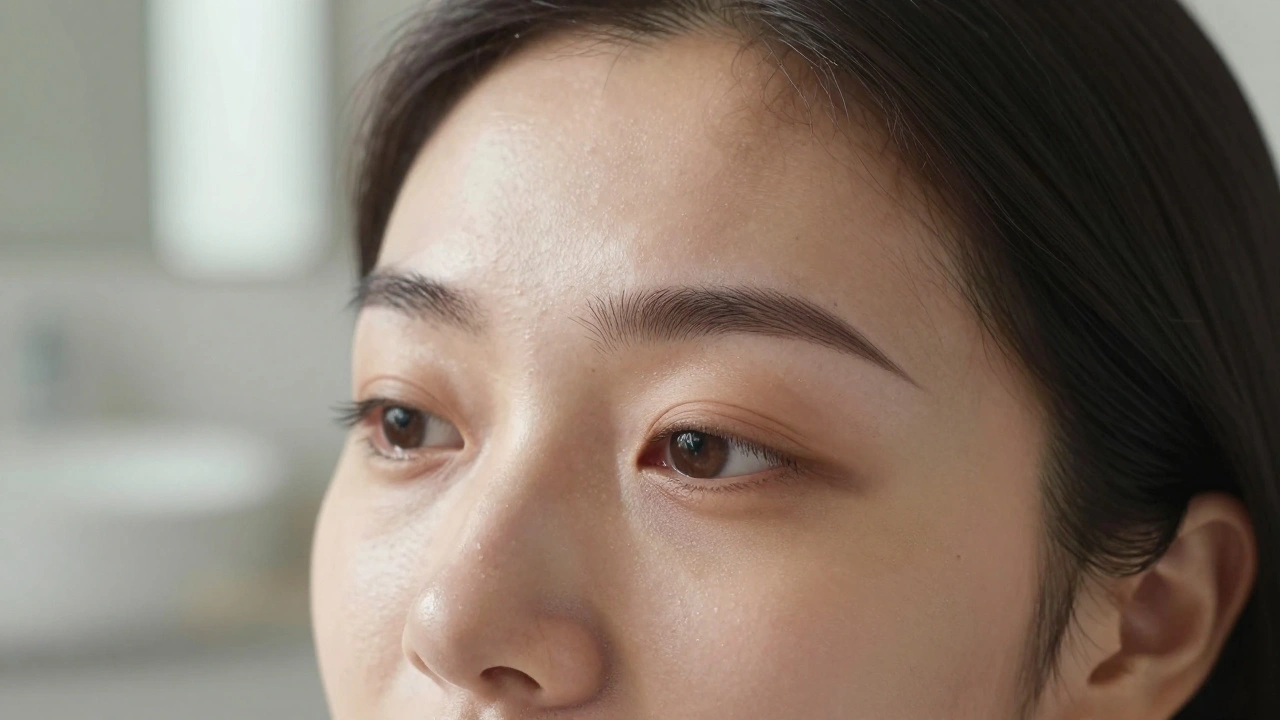
Microblading creates natural hair-like strokes, while powder fill gives a soft, filled-in look. Learn which eyebrow tattoo method suits your skin type, lifestyle, and desired results-without the guesswork.
 12
12