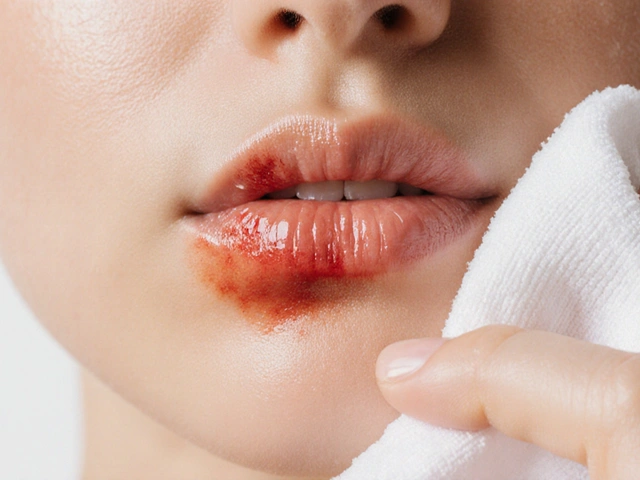

When you get a lip wax burn, a painful, red, sometimes blistered reaction after waxing the upper lip area. Also known as waxing irritation, it happens when the wax pulls too hard, the skin is too sensitive, or the product is too hot. It’s not rare—especially if you’re doing it at home or if your esthetician rushes the job. A bad lip wax burn can sting for days, turn your skin peeling, and even leave marks if not treated right.
What causes it? Usually, it’s one of three things: wax that’s too hot, skin that wasn’t prepped, or pulling the wax off too fast. People with thin skin around the mouth—like those with rosacea, eczema, or just naturally sensitive skin—are more at risk. And yes, even if you’ve waxed your brows or underarms without issues, your lip area is different. It’s thinner, more delicate, and packed with nerves. So treating it like any other area? Big mistake.
Healing a lip wax burn isn’t about fancy creams. It’s about stopping the burn from getting worse and letting your skin repair itself. First, cool it down. Not ice. Not alcohol. Just a clean, cool damp cloth pressed gently for a few minutes. Then, skip the makeup, the scrubs, the retinol, and the harsh soaps. Your skin doesn’t need more stress. Instead, use plain aloe vera gel—real, pure, from the plant if you can—or a thin layer of petroleum jelly. Both lock in moisture and protect the area while it heals. Avoid sun exposure. Even a cloudy day can make a burn darker or slower to fade. And don’t pick. Seriously. Picking at flaking skin means scarring. One mistake can turn a three-day irritation into a three-month problem.
Prevention is easier than you think. Always test the wax on your wrist first. If it feels hot, wait. Let it cool more. Make sure your skin is clean and dry before waxing—no lotions, no oils. And if you’re doing it yourself, go slow. Pull the wax strip parallel to your skin, not up. That’s the trick most people miss. If you’ve had a burn before, try honey wax. It’s gentler than traditional wax, sticks less to skin, and pulls hair more cleanly. Or switch to threading. It doesn’t use heat, doesn’t pull skin, and for many, it’s way kinder to the lip area.
Some people swear by castor oil after waxing. It’s not a cure, but it helps soothe and may support healing over time. You can find it in the beauty aisle at Walmart, right next to the baby oil and vitamin E. Just dab a tiny bit on the area after it’s cooled down. No rubbing. Just patting. And if it still hurts after 48 hours, or if you see pus, swelling, or fever? See a doctor. That’s not a burn—that’s an infection.
What you’ll find below are real, tested tips from people who’ve dealt with this exact problem. No fluff. No marketing. Just what works: how to treat it, what to avoid, and how to make sure your next wax doesn’t leave you in pain.

Heal a wax burn on your upper lip fast with simple steps: cool the area, use aloe vera, protect from sun, and avoid irritants. Most burns fade in a week with proper care.
 10
10