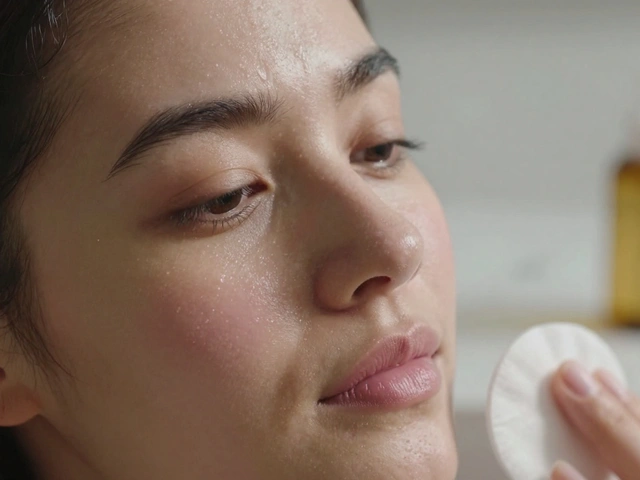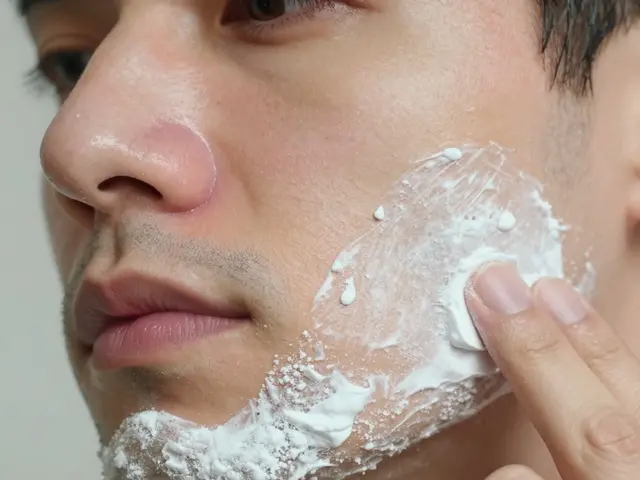

When it comes to legal rights of children, the protections and permissions granted to minors under U.S. and state law, especially regarding personal care and cosmetic procedures. Also known as minor rights in healthcare and beauty, these rules determine who can consent to treatments like waxing, hair dyeing, or eyebrow shaping—and when parental permission is legally required. Many parents assume that if they’re paying for a service, they can approve anything. But the law doesn’t always work that way.
For example, eyebrow waxing, a common cosmetic procedure for teens and pre-teens. Also known as brow shaping, it’s legal for minors in North Carolina—but only if a parent or legal guardian gives written consent. Some salons refuse to wax anyone under 16, even with permission, because of liability risks. A wax burn on a child’s upper lip isn’t just painful—it could lead to legal trouble if the salon didn’t follow proper consent protocols. The same applies to hair color treatments, including ammonia-free dyes and color-depositing shampoos. Also known as temporary hair coloring, these products may seem harmless, but many contain chemicals that trigger allergic reactions in sensitive skin. If a child has a reaction after a salon visit, and the provider didn’t get proper consent or perform a patch test, the business could be held responsible. Even something as simple as a clip-in hair extension, a temporary way to add length or volume. Also known as temporary hair pieces, can raise legal questions. If a child’s natural hair is damaged from improper use, and the parent didn’t get professional guidance, who’s at fault? The salon? The parent? The child? The answer depends on whether proper warnings were given and consent was documented.
There’s no federal law that says a child must be 18 to get a haircut or dye their hair—but state regulations, salon policies, and ethical standards fill the gap. In North Carolina, minors can’t legally sign contracts, which means any service agreement must be signed by an adult. That includes waivers for waxing, threading, or chemical treatments. Some salons now require notarized consent forms for anyone under 18. Others won’t touch a minor’s eyebrows at all, even with permission, because the risk outweighs the reward.
What you’ll find below isn’t just a list of articles—it’s a practical guide to what’s allowed, what’s dangerous, and what you need to know before letting your child sit in that salon chair. From whether an eyebrow wax pen is safe for a 12-year-old to how hair dye ingredients affect developing skin, every post here answers real questions parents and caregivers are asking. No guesswork. No fluff. Just clear facts so you can make smart, legal, and safe choices for your child’s beauty routine.

Parents can legally cut their child's hair without permission, but should they? Learn when it's appropriate, when it crosses a line, and how to handle resistance with respect and trust.
 16
16