
When you wax, you’re pulling hair out from the root—not just cutting it. This means hair regrowth after waxing, the process of new hair emerging after removal from the follicle. Also known as post-wax hair renewal, it’s slower than shaving because the follicle needs time to reset. Most people see new hair in 3 to 6 weeks, depending on body area, genetics, and how often you wax. Contrary to popular belief, waxing doesn’t make hair grow back thicker or darker. What changes is how it feels: the new tip is blunt instead of tapered, so it seems coarser at first. Over time, regular waxing can actually make hair finer and sparser because repeated removal weakens the follicle.
What happens to your skin matters just as much as what happens to the hair. After waxing, your follicles are open and sensitive. If you skip aftercare, you risk ingrown hairs, redness, or even small bumps. eyebrow growth, the natural renewal of hair in the brow area after removal. Also known as brow regrowth, it’s often slowed by over-plucking or threading, which can damage follicles permanently. That’s why many people turn to castor oil or soothing balms after waxing—to calm irritation and support healthy regrowth. The same goes for underarms, legs, and bikini areas. Keeping the skin hydrated and protected from sun exposure helps the follicles heal properly and reduces the chance of dark spots or scarring.
Timing matters too. If you wax too soon, the hair won’t be long enough to grip, making it painful and ineffective. Wait until hair is at least 1/4 inch long—about the size of a grain of rice. That’s the sweet spot for clean removal without tugging. And if you’re trying to grow hair back after a long break from waxing, be patient. It can take two full cycles (6 to 8 weeks each) before the texture and growth pattern stabilize.
Some people think hair regrowth after waxing means more hair. It doesn’t. It just means you’re seeing what was always there, but hidden under the surface. The real goal isn’t to stop regrowth—it’s to make it smoother, slower, and less irritating. That’s where good habits come in: exfoliating gently 2 days after waxing, avoiding tight clothes, and using products with tea tree oil or aloe vera to soothe the skin.
Below, you’ll find real advice from people who’ve been through it—how to handle burns, what products actually help brows recover, why threading might hurt more than it helps, and how honey wax compares to traditional wax for sensitive skin. No fluff. Just what works.
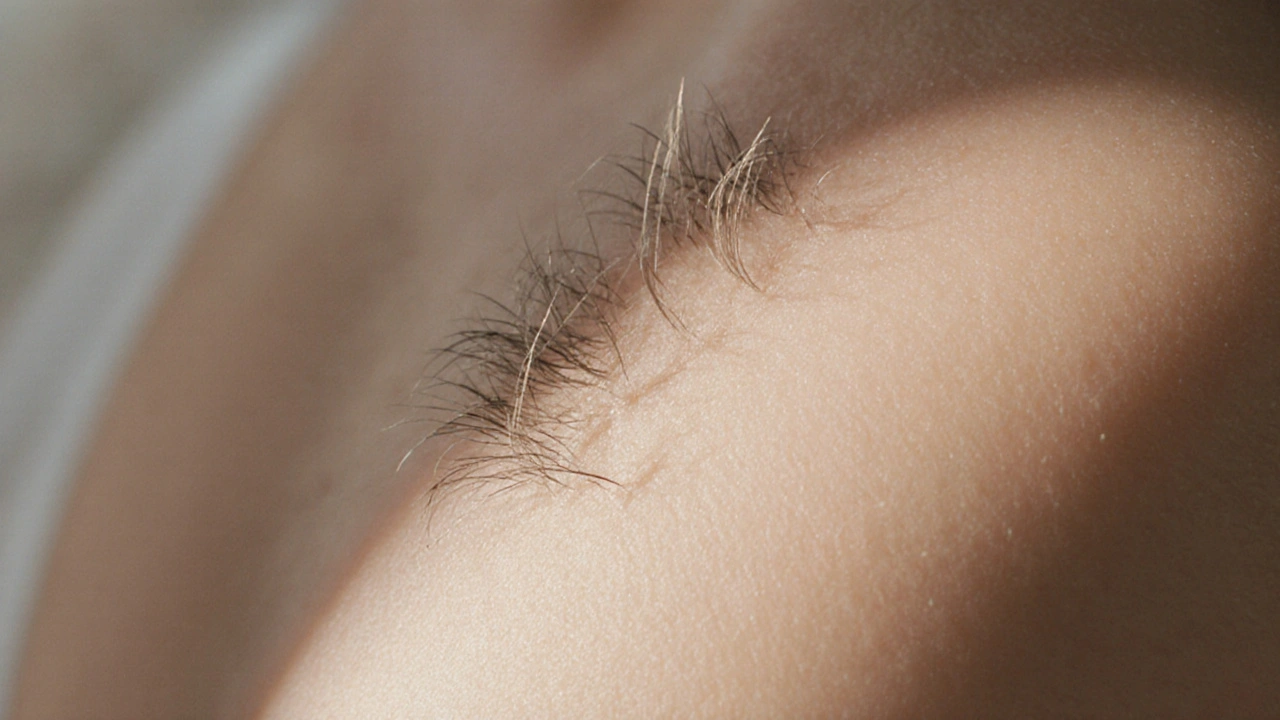
Waxing doesn't make hair grow back faster or thicker - it just feels that way. Learn why the myth persists and what actually affects hair regrowth after waxing.
 15
15