
When it comes to a child's hair rights, the legal and ethical boundaries around hair treatments for minors. Also known as minor hair care protections, it means your child shouldn’t be subjected to unsafe, unnecessary, or painful hair procedures without informed consent and professional oversight. This isn’t just about aesthetics—it’s about safety, consent, and long-term health. Many parents don’t realize that some salon services marketed as "gentle" or "fun" for kids can actually cause burns, infections, or permanent damage to delicate scalps and skin.
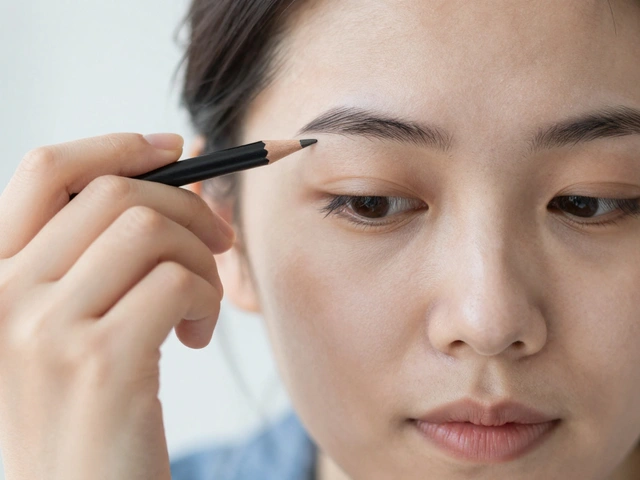
One major issue is hair removal for kids, the practice of waxing, threading, or using chemical depilatories on children’s skin. Also known as childhood hair removal, it’s becoming more common, especially for eyebrows and legs. But here’s the truth: children’s skin is thinner, more sensitive, and heals slower than adults’. A wax burn on a child’s upper lip doesn’t just hurt—it can leave scars that last years. Even "natural" honey wax, while gentler than synthetic formulas, isn’t risk-free on young skin. The same goes for eyebrow waxing for minors, a trend that’s growing despite no medical justification. Also known as brow shaping for kids, it often starts with a simple comment like "your child’s brows are too bushy," and ends with a painful, unnecessary procedure.
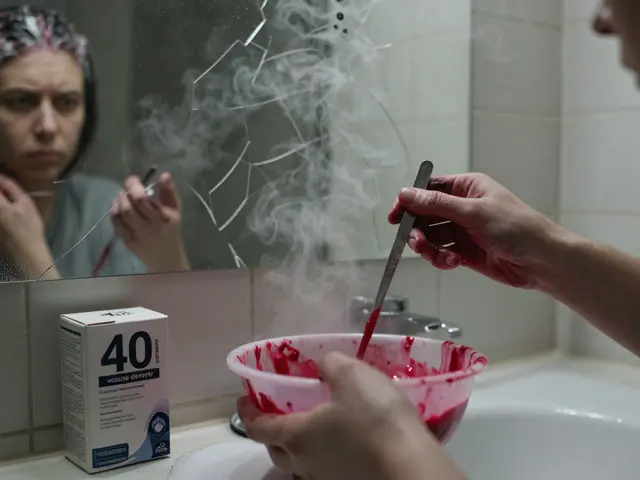
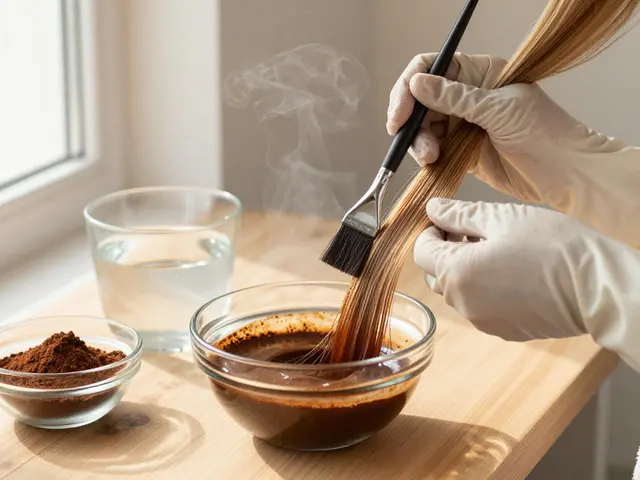
Then there’s safe hair coloring for children, the use of temporary or semi-permanent dyes on kids’ hair. Also known as kid-friendly hair dye, many products claim to be ammonia-free or plant-based, but that doesn’t mean they’re safe for a 7-year-old. Chemicals like PPD, even in small amounts, can trigger allergic reactions that show up days later as swollen eyelids or blistering scalp. And while clip-in extensions seem harmless, they pull on fine child hair, leading to breakage and traction alopecia over time. The real question isn’t whether it’s possible—it’s whether it’s necessary.
Most of the posts in this collection focus on adult hair treatments—but they all apply to kids, too. If a wax burn on an adult’s lip needs aloe vera and sun protection, imagine how much more care a child’s skin needs. If a hair color shampoo for gray coverage contains ingredients that can irritate adult scalps, why would you risk them on a toddler? These aren’t just beauty choices—they’re health decisions. And children can’t always say no. That’s why parents need to be the gatekeepers.
You won’t find a single post here that says "wax your 5-year-old’s eyebrows" or "dye your baby’s hair pink." But you will find real stories about what happens when adults ignore the risks. You’ll see how a simple wax pen used on a child’s face led to a hospital visit. You’ll learn why "natural" doesn’t mean safe, and why "it’s just temporary" isn’t good enough when your child’s skin is involved. The truth is, most hair treatments for kids are done for the parent’s comfort or social pressure—not the child’s benefit.
What you’ll find below are clear, no-fluff guides on what actually works, what causes harm, and how to protect your child’s hair and skin without falling for marketing tricks. From the science behind hair regrowth after waxing to the hidden dangers of eyebrow pencils and color shampoos, every article here gives you the facts you need to make smarter choices. There’s no judgment here—just real advice from people who’ve seen the damage done. Your child’s hair rights aren’t optional. They’re basic. And you’re the only one who can protect them.
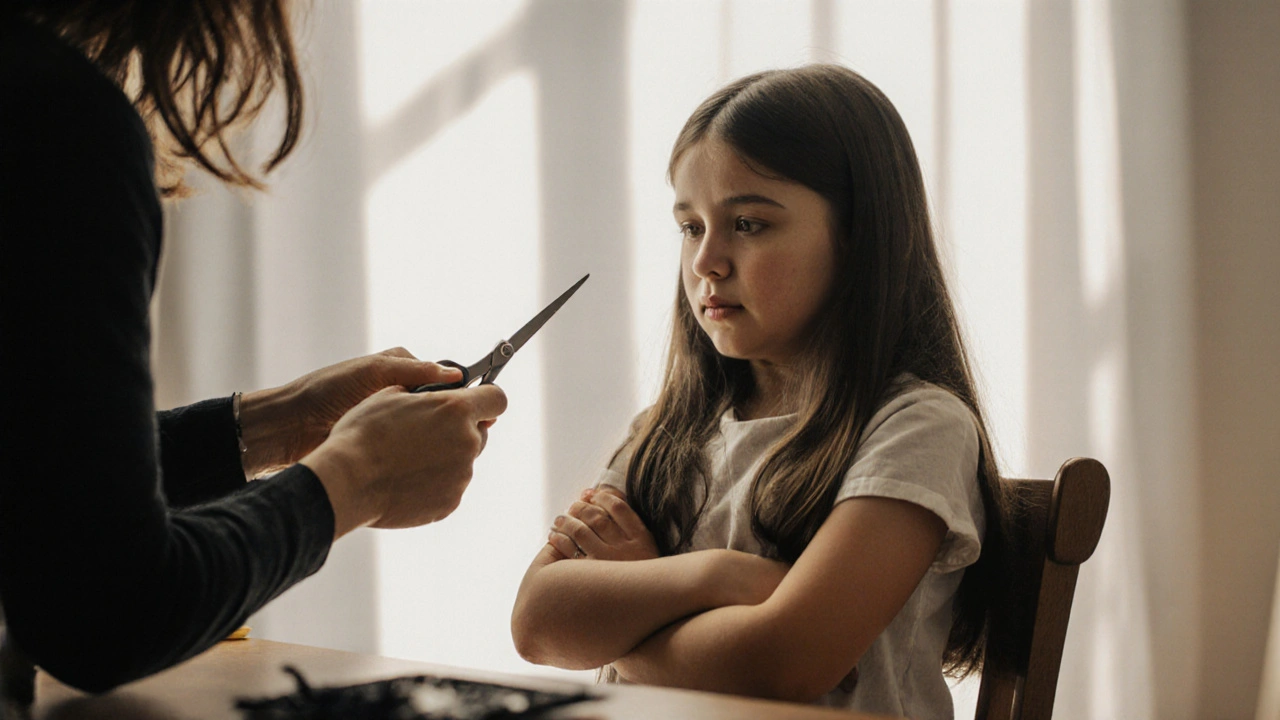
Parents can legally cut their child's hair without permission, but should they? Learn when it's appropriate, when it crosses a line, and how to handle resistance with respect and trust.
 16
16