
When you choose a chemical-free hair dye, a hair coloring option that avoids ammonia, peroxide, and parabens. Also known as ammonia-free hair dye, it’s not just a trend—it’s a shift toward healthier hair and scalp care. Many people assume natural means weak color, but that’s not true. The best chemical-free dyes use plant-based pigments, henna, or deposit-only formulas that gently coat the hair instead of stripping it open with harsh chemicals.
What makes these dyes different isn’t just what’s left out—it’s what’s put in. honey wax hair removal, a natural hair removal method using honey, sugar, and lemon, shares the same philosophy: gentle, organic, and effective. Just like honey wax doesn’t burn the skin, chemical-free dyes don’t burn the hair. They work with your hair’s natural structure instead of forcing it open. And while they may not lift dark hair to platinum in one go, they build color slowly, fade more naturally, and cause far less breakage over time.
You’ll find that many of the best chemical-free options are also semi-permanent hair dye, a type of color that deposits pigment without altering the hair’s internal structure. These dyes last 4–8 washes, perfect for trying new shades without commitment. They’re ideal if you’ve had bad reactions to box dyes, or if your scalp gets red and itchy after salon visits. Unlike permanent dyes that rely on ammonia to penetrate the cuticle, semi-permanent dyes sit on top—less damage, more control.
But here’s the thing: not all "natural" labels are honest. Some brands slap "chemical-free" on products that still contain synthetic preservatives or undisclosed allergens. Always check the ingredient list. If you see PPD, resorcinol, or sodium lauryl sulfate, it’s not truly chemical-free—even if the bottle says otherwise. Real chemical-free dyes use ingredients you can pronounce: beetroot, indigo, coffee, chamomile, or even hibiscus.
And if you’re thinking about combining this with other natural beauty routines, you’re not alone. People who skip ammonia-based dyes often switch to honey wax for their eyebrows and body hair too. It’s the same mindset: less irritation, more care. You can even use castor oil after waxing to soothe the skin and support hair regrowth—something you won’t find in most drugstore products.
Below, you’ll find real stories and clear guides on how to make the switch without losing color payoff. Whether you’re trying to cover grays gently, restore damaged hair, or simply avoid chemicals that make your scalp flare up, these posts give you the facts—not the fluff. No marketing buzzwords. Just what works, what doesn’t, and how to get the look you want without the cost to your hair’s health.
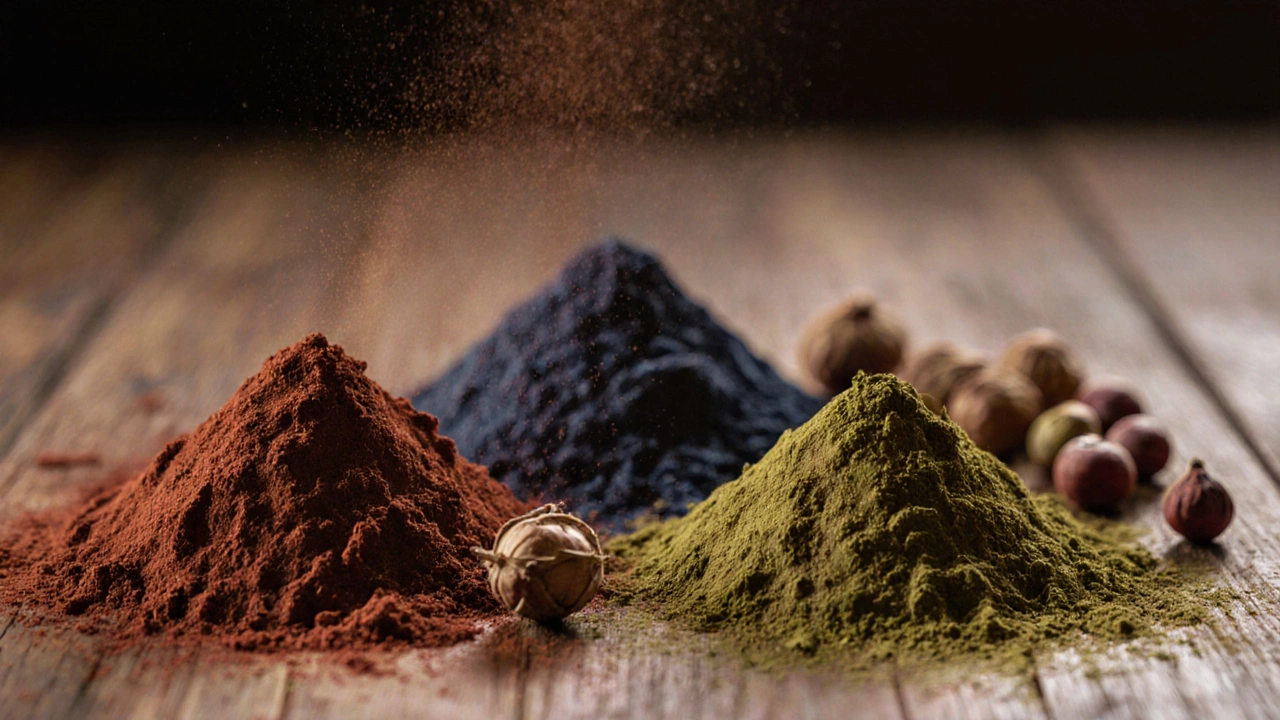
Many hair color products claim to be natural, but what's really in them? Learn which ingredients actually work, which ones are misleading, and how to choose a safe, effective plant-based dye without falling for marketing tricks.
 12
12

Discover the safest natural hair color brands for Indian hair - with no ammonia, PPD, or peroxide. Learn which ones cover grey best, how to apply them, and why they’re better for your scalp and hair health.
13