
When you're dealing with grey hair, the natural loss of pigment in hair as you age, often starting in the 30s or 40s. Also known as white hair, it’s not a flaw—it’s a sign of experience. But many people want to cover it without looking like they’re wearing a wig. The best hair color for grey hair isn’t about hiding age—it’s about blending, enhancing, and choosing formulas that respect your hair’s texture and health.
Not all hair dyes are built the same. Traditional dyes use ammonia, a strong chemical that opens the hair cuticle to let pigment penetrate deeply. Also known as permanent hair dye base, it gives full coverage but can dry out brittle grey strands. That’s why so many women over 50 are switching to ammonia-free hair dye, a gentler alternative that uses MEA or other alkaline agents to lift color without harsh damage. Also known as semi-permanent or deposit-only color, it’s perfect for touch-ups and blending without stripping your hair. These formulas don’t last as long, but they’re kinder to hair that’s already thinning or porous from years of aging.
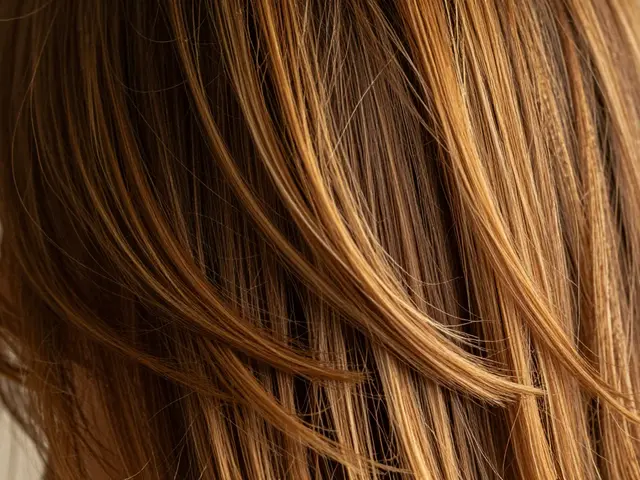
Grey hair doesn’t just need color—it needs the right technique. A one-size-fits-all shade rarely works. Ash tones cancel out yellow, while warm golden or caramel tones add dimension without looking fake. Many people make the mistake of going too dark, which can look muddy or unnatural. The goal? Soft, blended color that looks like it grew that way. That’s why professionals often recommend highlights, lowlights, or balayage to break up solid color and mimic natural texture. And if you’re not ready for full coverage, root touch-ups with a cream color or tinted shampoo can keep things looking fresh between visits.
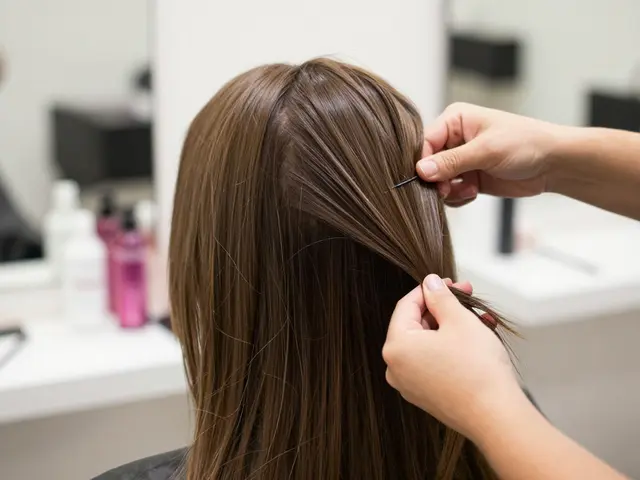
What you put on your hair matters just as much as what you use to color it. Grey hair tends to be drier and more fragile, so conditioners with oils, proteins, and UV protection help maintain shine and prevent breakage. Avoid sulfates—they strip moisture and make grey hair look dull faster. And if you’ve had bad experiences with box dyes turning your hair brassy or patchy, you’re not alone. Box dyes often don’t account for the unique porosity of grey strands, leading to uneven results. That’s why many women who’ve tried DIY coloring end up in a salon, looking for someone who knows how to work with grey, not just over it.
There’s no single "perfect" shade for grey hair because your best color depends on your skin tone, hair texture, and how much coverage you want. Some people love the contrast of bold black or deep brown. Others prefer soft silver, salt-and-pepper, or even pastel tones. The key is choosing a formula that matches your lifestyle—low maintenance, non-damaging, and realistic. Whether you’re looking for full coverage, partial blending, or just a way to refresh your roots, the right approach makes all the difference.
Below, you’ll find real advice from people who’ve been there—what works, what doesn’t, and how to avoid the common traps that leave hair dry, patchy, or worse than before. No fluff. No hype. Just what actually helps.
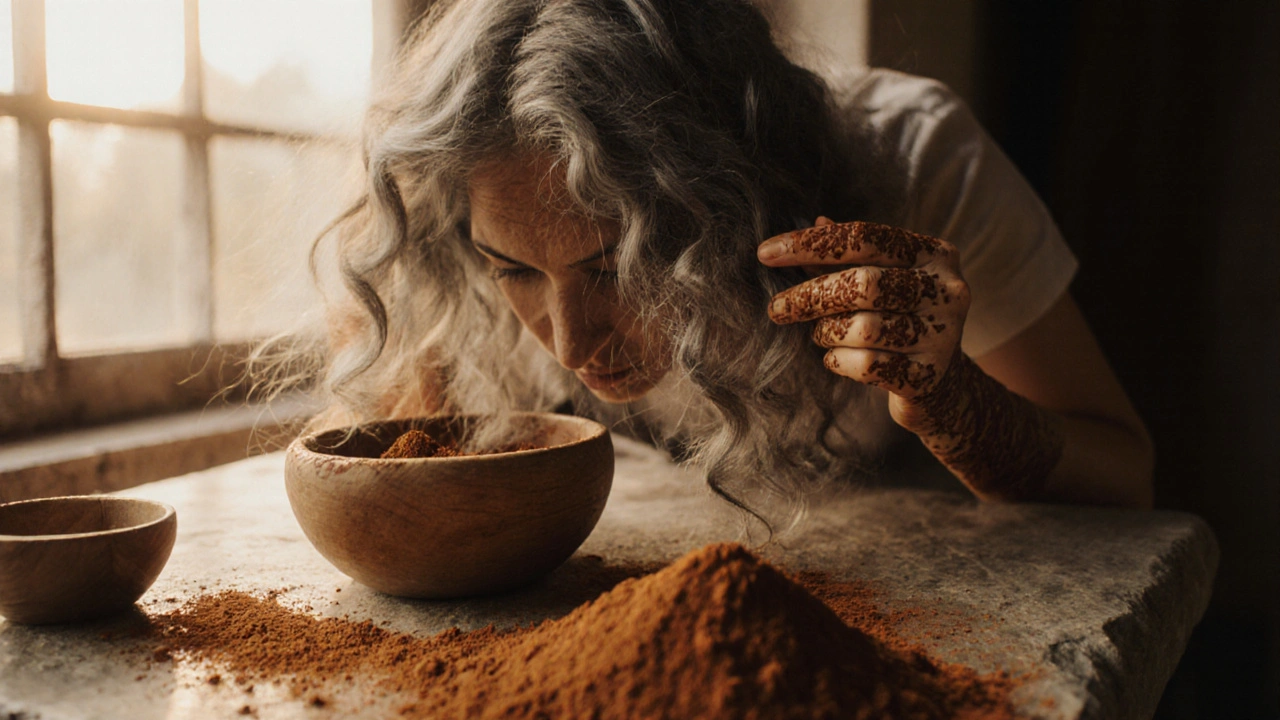
Discover the safest natural hair color brands for Indian hair - with no ammonia, PPD, or peroxide. Learn which ones cover grey best, how to apply them, and why they’re better for your scalp and hair health.
 13
13