

Turning Dark Brown Into Icy Silver
You’ve seen the photos online: stunning silver hair with hints of lilac that look almost metallic under the sun. But starting from dark brown hair, getting there is less like flipping a switch and more like building a house from the ground up. It requires patience, professional help, and a clear understanding of how hair chemistry works. If you rush this process, you risk breaking your hair or ending up with orange tones that refuse to fade.
The core truth is that silver lilac hair does not stick well to anything darker than pale yellow. Think of painting a wall; if you want a pastel shade, you cannot paint it over a dark brick red wall. You need a clean canvas. This means your journey begins not with color, but with removing all the natural pigment from your dark strands. Most people underestimate the time this takes. A single session is rarely enough to lift dark brown safely without destroying the texture of your hair.
Understanding the Lightening Process
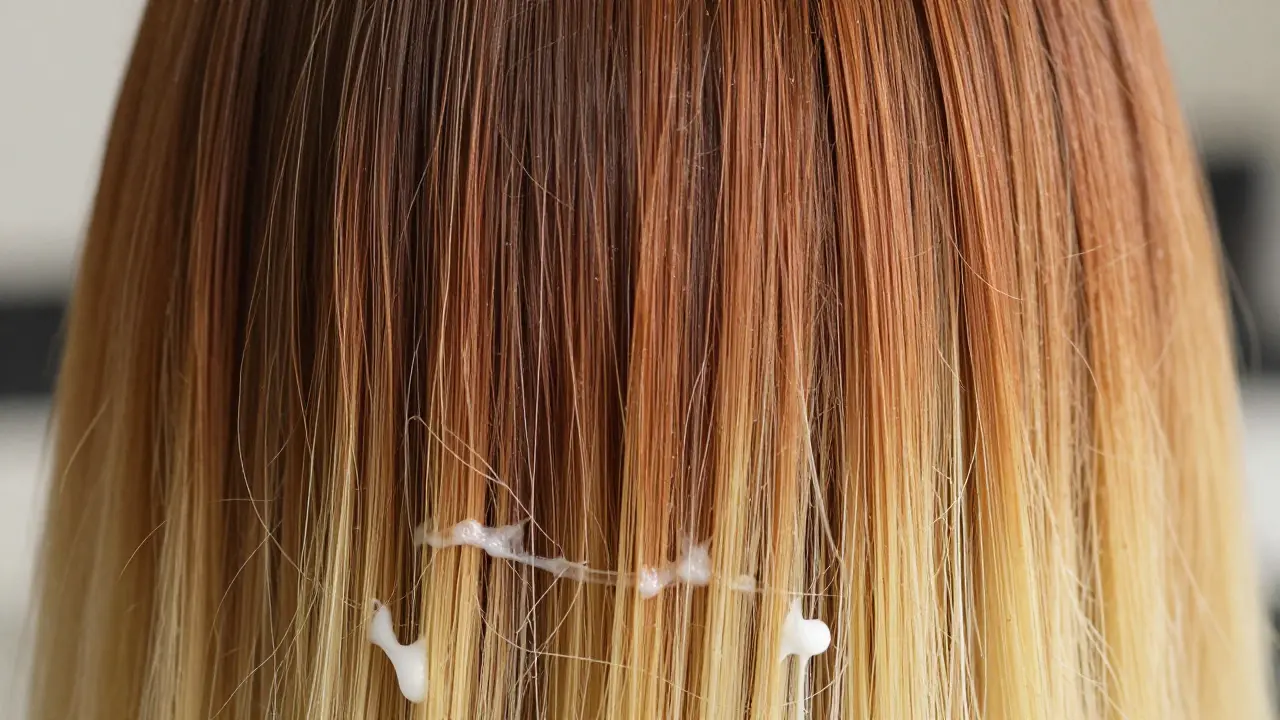
Your natural hair contains melanin, which gives it that rich brown color. To reach silver, we have to strip out those pigments using a lightener, commonly known as bleach. As the bleach processes, your hair goes through specific color stages. First, dark brown turns red, then orange, then gold, and finally straw yellow. You need to reach that pale yellow stage, sometimes called Level 10 blonde, before even thinking about applying purple or silver dye.
If you stop too soon, say at the gold or copper stage, adding silver ash will result in a muddy greenish-gray mess rather than the cool, icy look you want. This is why the goal is not just to make hair lighter, but to make it translucent. When light passes through the strands, the cool tones reflect properly. For someone with dark brunette roots and virgin ends, achieving an even lift is tricky because ends are often more porous from past sun exposure or conditioning treatments.
A typical appointment for lightening involves three to five hours of processing. Your stylist applies the mixture carefully section by section. Sometimes they start at the mid-lengths and ends first since heat near the scalp speeds up the reaction. Roots are applied last to prevent the 'scalp burn' effect where the top becomes way lighter than the rest. You might feel warmth during the process, but tell them immediately if it becomes painful. Pain means the chemical is reacting too aggressively with your follicles.
| Stage | Color Appearance | Action Required |
|---|---|---|
| Level 3-4 | Dark to Medium Brown | Initial Bleach Application |
| Level 6-7 | Orange/Golden | Second Session Needed |
| Level 9-10 | Pale Yellow/White | Ready for Toner |
The Role of Bond Builders Like Olaplex
Bleaching is essentially controlled damage. It breaks the sulfur bonds inside your hair shaft to release color. Without support, these broken bonds lead to snap-offs and mushy textures. This is where specialized bond-building systems come into play. Products like Olaplex work at a molecular level to repair disulfide bonds while you are actively lifting color.
Olaplex is a patented bond-building treatment used during chemical services to minimize damage and strengthen hair integrity. During the bleach bath, a small amount is mixed directly into the formula. After rinsing, another step is applied deep in the sink to seal everything off. Do not skip this. While some salons charge extra, paying for bond repair saves money later on trims and reconstructive masks. There is documentation of clients losing significant length because they refused this step. In one common scenario, a shoulder-length client had to cut their hair up to chin length simply because the bleached portions were too brittle to keep.
This isn't just a luxury add-on; it is essential maintenance when jumping multiple color levels. It ensures that when you wash your hair weeks later, it feels like hair and not like plastic straw. Ask your stylist explicitly if they include a bond builder in the quote. If they hesitate, find someone who prioritizes health over speed.
Toning for That Perfect Lilac Shade
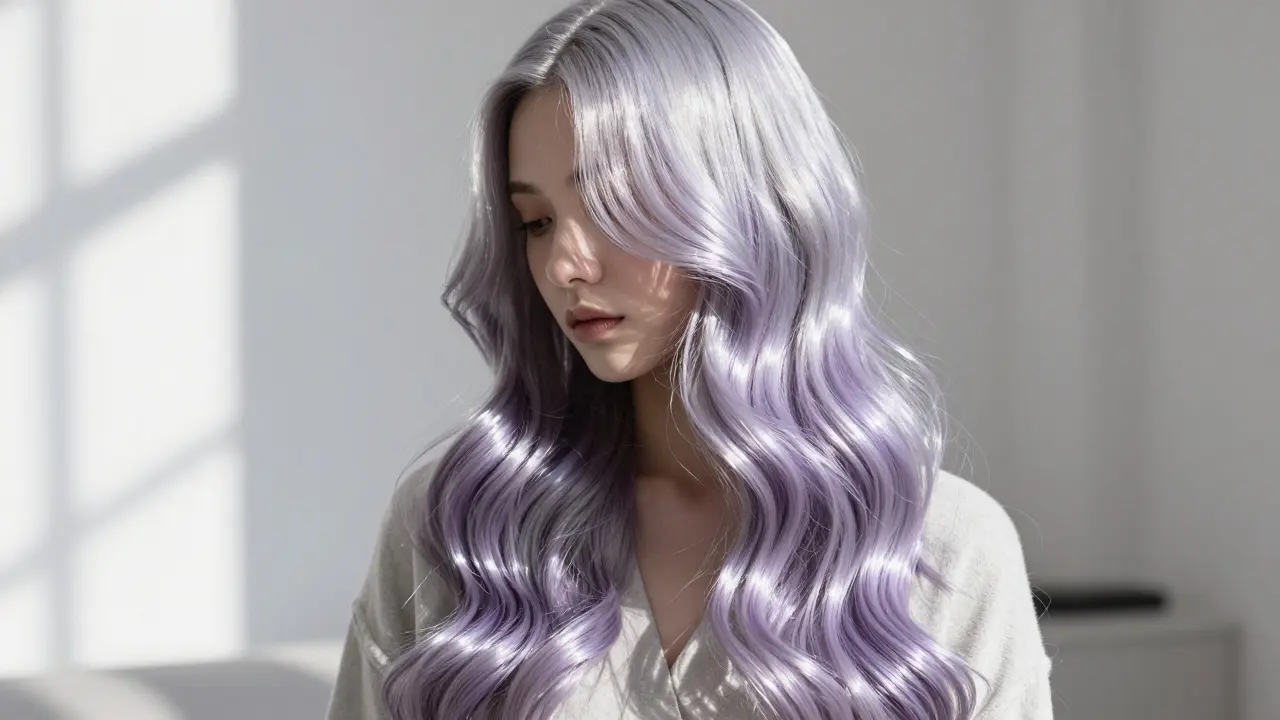
Once your hair is that pale yellow, you move to the toning phase. This is where the magic of silver and lilac happens. Toners are semi-permanent dyes that sit on the surface of the hair shaft. They neutralize unwanted warm tones. Since opposite colors cancel each other out on the color wheel, violet and blue neutralize yellow and orange respectively.
To get a silver lilac mix, your stylist mixes a cool gray violet pigment with a pearlizing agent. Too much violet pushes the color toward a deep eggplant instead of a frosty silver. Too much gray makes the hair look like dirty metal. The balance depends entirely on your underlying warmth after bleaching. If you still see faint orange undertones, the toner must be adjusted accordingly. Some clients prefer a soft lavender root fading into icy silver tips, while others want a full head of metallic pewter.
Communication is key here. Bring reference photos that show the lighting conditions you want. Photos taken under bright sunlight look different from indoor studio lights. Tell your stylist exactly which parts of the photo you like. Are you loving the sheer opacity? Or is it the depth of the purple you are after? Be honest about your commitment to washing your hair less frequently, as frequent washing strips this delicate pigment faster than any dye you’ve ever worn.
Maintenance Is Non-Negotiable
Congratulations on the big day. Now comes the boring part that determines your success: upkeep. Cool tones are temporary. They wash out every few shampoos. To keep that silver looking fresh, you need a dedicated routine involving specific tools.
- Root Touch-Ups: As your natural dark brown hair grows back, you need to lighten the new growth every four to six weeks. Leaving gaps longer causes the contrast to look messy and eventually forces you to re-dye the whole head.
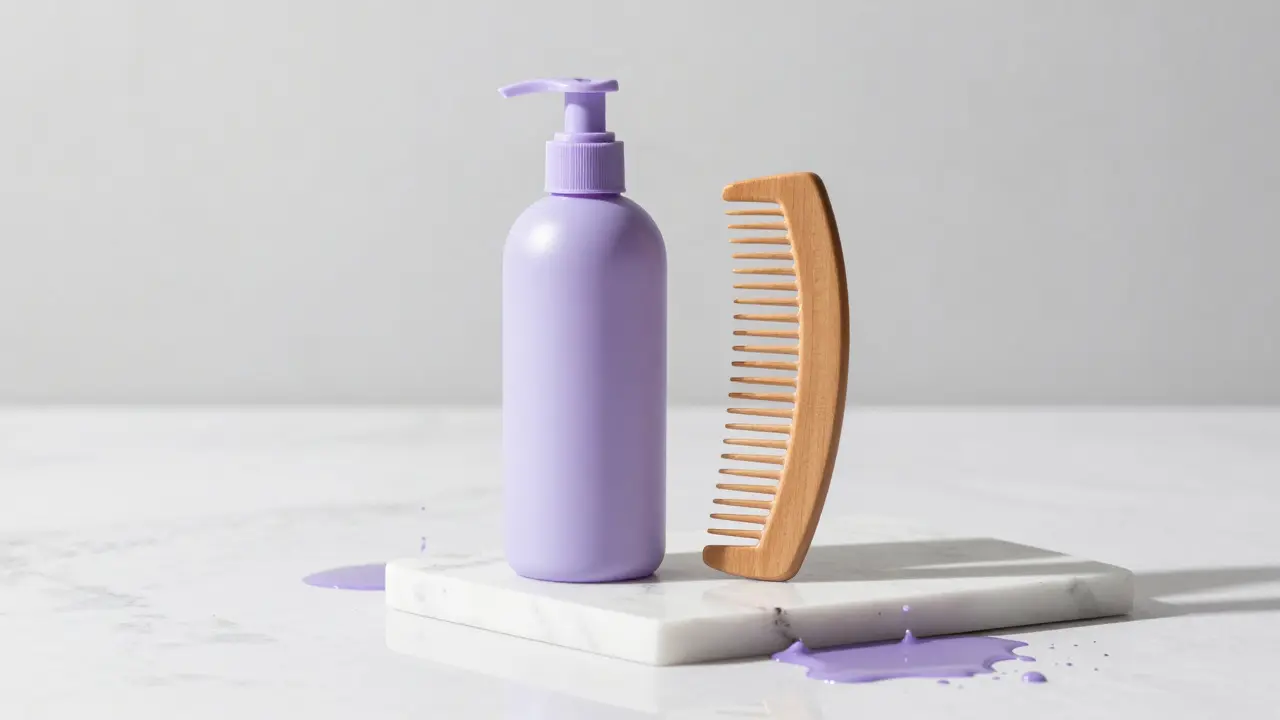
- Purple Shampoo: These products contain violet pigments that deposit on the hair daily to fight brassiness. Use them once a week. Do not leave them in too long, or you risk turning your hair slightly purple.
- Moisture Masks: Lightened hair drinks up protein and moisture. Use a deep conditioner containing hydrolyzed proteins twice a month. Look for brands focused on color protection.
- Water Quality: Hard water in areas like Boulder leaves mineral deposits that turn gray hair greenish. Installing a shower filter helps maintain the true silver tone.
Wash your hair with lukewarm water, not hot. Hot water opens the cuticle and releases pigment. Also, reduce your total wash count. Try to rinse without shampoo every other day. The more chemicals and friction you expose your hair to, the sooner the silver fades.
Purple Shampoo is a color-maintaining cleanser infused with violet pigments designed to neutralize yellow tones in blonde or silver hair. Brands vary in strength. Some are very concentrated, so dilute them with regular shampoo if you notice staining.Timeline and Investment Reality
You cannot achieve healthy silver lilac hair from dark brown in one weekend. Expect the transformation to take three to six months. This timeline allows for gradual lifting. Rapid bleaching causes the hair cortex to swell and burst. Spacing appointments four to seven weeks apart lets your scalp heal and lets you assess the condition of your previous regrowth.
Financially, budget for multiple salon visits. One initial consult is free, but the actual process usually spans two or three major appointments plus follow-ups. Professional products for home care add $100 to $150 monthly to your expenses. Compare this to the cost of fixing damaged hair. Trimming off split ends regularly keeps the texture manageable. If you try to save money by buying drugstore box bleach, you risk uneven patchiness that costs triple to fix professionally later.
Listen to your hair. If a strand snaps easily when dry, pause the lightening process. Focus on moisturizing treatments until the tensile strength improves. The goal is a head of beautiful hair, not just a head of colored hair.
Can I do this at home?
It is highly discouraged. Dark brown to silver requires precise pH control and processing times that are hard to monitor alone. Home bleaches often cause severe damage or uneven coloring.
How long does silver lilac hair last?
With proper maintenance, the tone lasts about 4 weeks before needing a touch-up. The base lightness stays permanently until new hair grows, but the purple tint fades quickly.
Is it safe for fine hair?
Fine hair bleaches faster but gets damaged easier. You will need more sessions with lower volume developer to protect the density and prevent breakage.
What if my hair smells like bleach?
That smell usually disappears after a few washes. If it persists after two weeks, it indicates incomplete rinsing or residue buildup. Ask for a clarifying wash.
Do I need a gloss treatment?
Yes, a gloss adds shine and seals the cuticle. It is recommended every 6-8 weeks to maintain the reflection needed for the silver tones to pop.


Ajit Kumar
April 1, 2026 AT 02:16It is morally imperative to consider the sanctity of one's physical vessel before embarking on such a radical alteration. We often see individuals treating their bodies as disposable canvas without regard for long term integrity. The chemical aggression required to strip dark pigment is akin to warfare upon the cellular structure. You must respect the biological limits inherent in your follicles during this process. Rushing the appointment schedule creates unnecessary liability for your future health. A responsible adult understands that patience is a virtue rewarded by safety. We must discourage any cultural narrative that promotes speed over safety in beauty regimens. Ethical considerations regarding personal grooming often get lost in the pursuit of viral trends. If you value your dignity, you will choose professional oversight over amateur experimentation. There is no shame in waiting several months for the desired aesthetic outcome. True wisdom lies in protecting what nature has provided rather than destroying it for fleeting praise. Your decision today impacts how you feel about yourself in years to come. We live in a society that demands perfection yet offers dangerous shortcuts. I urge everyone reading this to prioritize their well-being above all else. Ultimately, the most beautiful thing is healthy hair regardless of its color tone.
Diwakar Pandey
April 2, 2026 AT 05:12I think you have a great point about the ethics involved here. It is easy to get swept up in trends without thinking about consequences. Taking care of yourself is always the best policy to follow. You managed to articulate that quite clearly in your message. It would be nice if more people understood the science behind it.
Geet Ramchandani
April 2, 2026 AT 09:10Salons love to prey on the insecurity of women who want to look different from their peers. They charge exorbitant prices for standard chemicals that are easily found online for less. This entire industry thrives on creating anxiety about natural hair growth rates. Nobody should pay extra for bond builders when home remedies work just as well. It is disgusting how they convince clients that damage is unavoidable and acceptable. The profit margin on these treatments is obscene compared to the actual cost of ingredients. Most stylists do not care if your hair falls out because they get paid upfront. They talk about chemistry while really they are just selling hope for high prices. People are being manipulated into spending thousands on temporary fixes for their appearance. It is a scam designed to keep consumers coming back for endless root touch-ups. Your natural texture is perfect and trying to change it invites unnecessary suffering into your life. Stop listening to advertisements that tell you who you need to be to be valid. We deserve better than predatory pricing models disguised as luxury services. Do not fall for the trap of thinking money equals quality in a saturated market. Protect your wallet from these corporate vultures feeding on your vanity.
Pooja Kalra
April 3, 2026 AT 11:34The journey of transformation reveals much about our inner state of mind. To seek the silver hue is to seek purity which is rare. Damage reflects the imperfections we try to hide from others. Silence is often the only response to such aggressive marketing tactics.
Sumit SM
April 4, 2026 AT 19:12The color theory matters SO MUCH!!! You cannot ignore the basics of physics and light reflection!!!!! Don't let them fool you with cheap products!!!! It's about the wavelength of the violet pigment!!!! Be smart about your choices!!!!!
Bob Buthune
April 6, 2026 AT 06:16It really makes me sad to think about all the pain people go through for hair ☺✌️😢😭💔 You are putting yourself through so much stress just to look pretty 😲💔 I hope you find peace in whatever choice you make ❤️✨ The chemicals are harsh on sensitive scalps 🐿☺✌️ Please be gentle with yourself during the recovery process 🥺🥺❤️
Jane San Miguel
April 8, 2026 AT 04:32Avoidance of inferior products is the hallmark of a discerning individual. Quality materials dictate the longevity of any cosmetic investment. Ordinary shoppers do not understand the nuance of pH balance. One must demand the premium standard in every session. Compromise leads to irreversible damage inevitably.
Kasey Drymalla
April 8, 2026 AT 05:42chemical companies lie they want your scalp to burn
Dave Sumner Smith
April 8, 2026 AT 14:16The pH levels are the critical factor that determines structural failure. Most people ignore the molecular breakdown occurring during processing. You need to monitor the disulfide bonds closely yourself. Ammonia exposure weakens the keratin matrix significantly. I have studied the chemical composition extensively. There are hidden risks in the ventilation standards of salons. Safety protocols are frequently overlooked by staff members. Research indicates high volatility in older formulations. Professional training does not guarantee correct application. Vigilance is required to prevent cuticle degradation completely.