

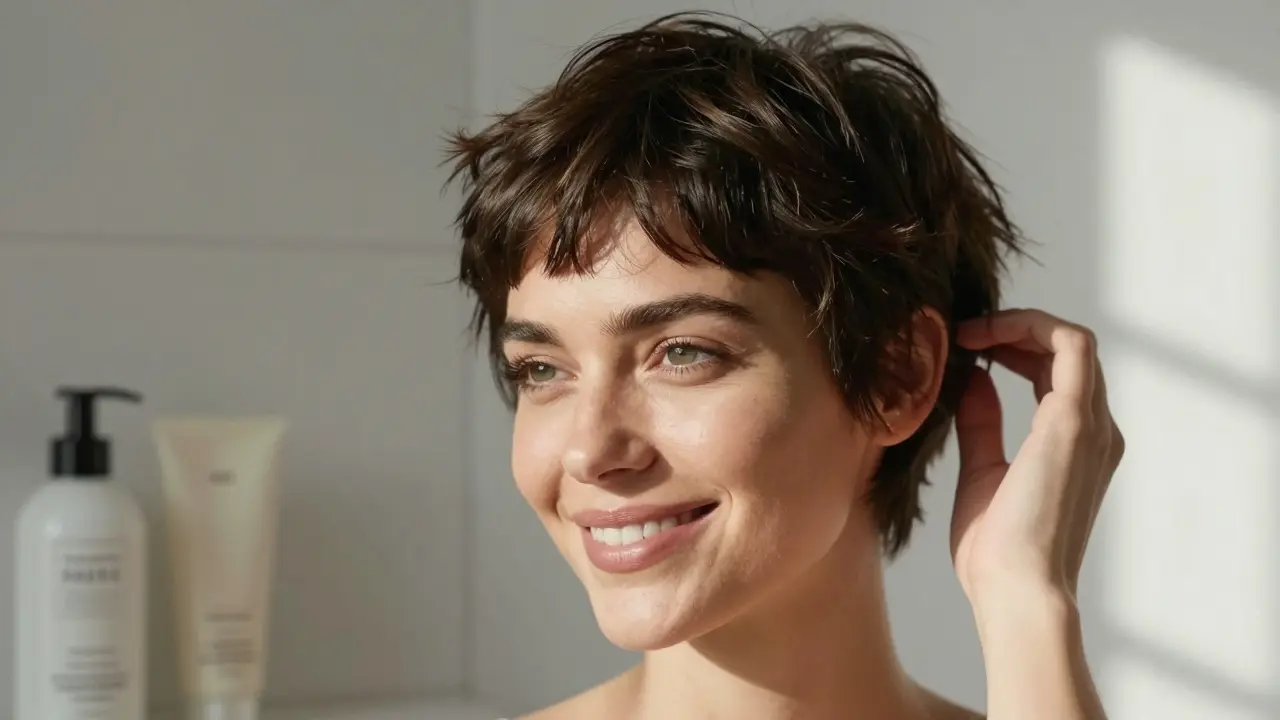
If you have short and thin hair, you’re not stuck with a flat, lifeless look. The right cut and style can make your hair look thicker, fuller, and more dynamic-even if you’re starting with fine strands. Many people assume thin hair means limited options, but that’s not true. It just means you need to work with your texture, not against it. The goal isn’t to add volume artificially-it’s to create the illusion of density through shape, layering, and smart styling.
Why Some Haircuts Work Better for Thin Hair
Thin hair doesn’t mean low density. It means each strand is finer, so it doesn’t hold weight or volume the way thicker hair does. That’s why blunt cuts often fail. A one-length bob, for example, can look heavy at the ends and flat on top because there’s not enough body to lift it. The secret? Layers. Not too many, not too few. Just enough to remove weight from the bottom and let the top pieces move freely.Think of it like a tree. A dense canopy has branches that fan out, not a solid wall of leaves. The same applies to hair. Strategic layering creates movement, catches light, and gives the eye the impression of more hair than there actually is. The key is to avoid over-layering, which can make hair look wispy and sparse. You want texture, not fragmentation.
Top 5 Hairstyles That Actually Work
- Textured Pixie Cut - This is the gold standard for short thin hair. A pixie with choppy layers on top and slightly longer pieces around the ears adds dimension. The texture breaks up the surface, making hair look fuller. Ask your stylist to leave 1-2 inches on top and taper the sides. Use a light hold paste to tousle the top for a lived-in look.
- Asymmetrical Bob - A bob that’s longer in the front and shorter in the back creates a natural lift. The angle draws attention upward and adds movement. Keep the ends blunt, not razored, so they don’t look too wispy. This cut works best with a slight inward curl at the ends.
- Shag with Curtain Bangs - Yes, even short hair can pull off a shag. Go for a mini shag with layers starting just below the chin. Curtain bangs frame the face and add volume at the crown. This style looks great with a matte texture product to keep it from getting greasy.
- Stacked Bob - Layers are stacked like steps, with the shortest at the nape and gradually longer toward the front. This creates a lifted base, especially when blow-dried with a round brush. It’s perfect for people who want structure without length.
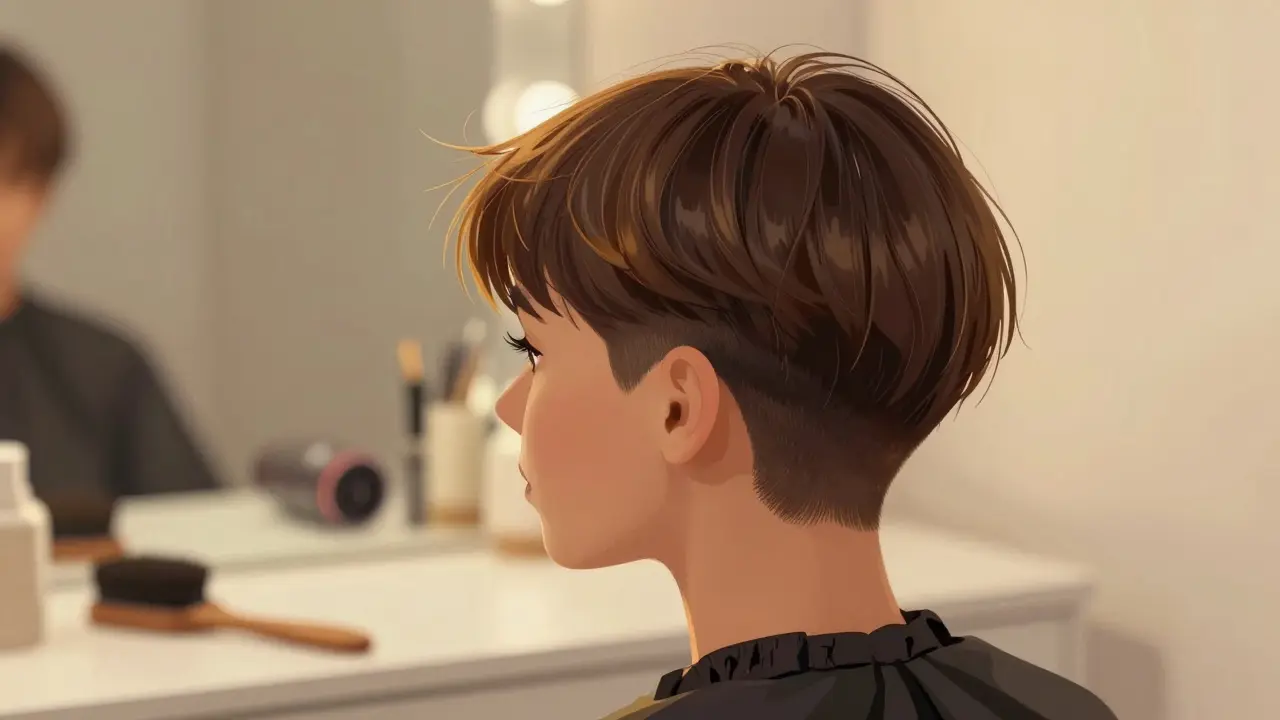
- Classic Bowl Cut (Modern Version) - Don’t roll your eyes. The modern bowl cut isn’t the 90s version. It’s a clean, blunt line with a slight inward curve at the ends. It looks sharp and intentional, and because it’s uniform, it tricks the eye into thinking there’s more hair. Use a lightweight serum to smooth flyaways.
What to Avoid
Not all short styles help. Some actually make thin hair look worse.
- Overly layered cuts - Too many layers turn hair into a frizzy halo. It looks like you’ve lost thickness, not gained it.
- Super short buzz cuts - If your scalp is visible, a buzz cut highlights it. Unless you’re going for that look on purpose, skip it.
- Heavy bangs - Thick, straight bangs weigh down the forehead and make the rest of the hair look even flatter.
- Razored ends - They create frizz and breakage over time. Clippers or blunt shears are better for fine hair.
Styling Tricks That Make a Difference
Even the best cut won’t work without the right products and technique.
- Use a volumizing shampoo - Look for ingredients like biotin, panthenol, or rice protein. Avoid sulfates if your hair gets dry easily.
- Apply product to damp hair - Put a pea-sized amount of root-lifting mousse at the crown before blow-drying. Focus on the roots, not the lengths.
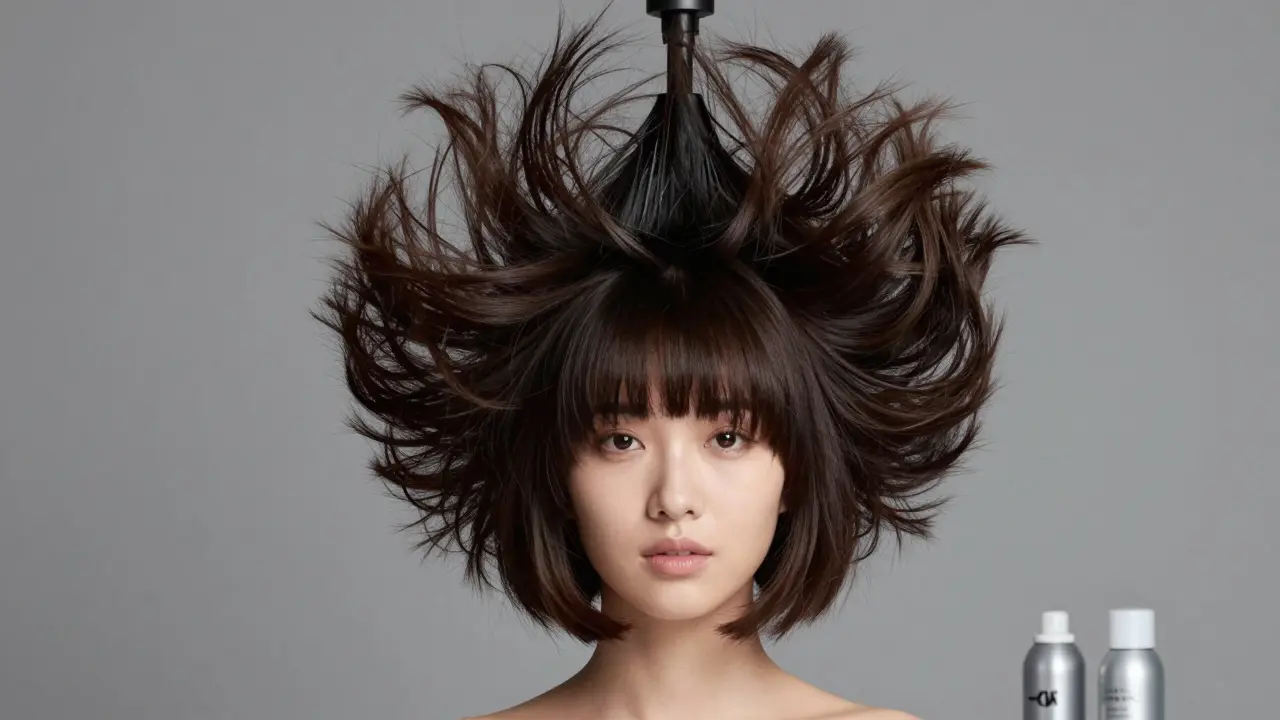
- Blow-dry upside down - This lifts the roots naturally. Use a diffuser or round brush to add body as you dry.
- Finish with dry shampoo - It adds texture and grip. Spritz at the roots, massage in, then brush through. It’s not just for oily hair-it’s for texture.
- Use a texture spray - A light mist over the top layers gives separation and a matte finish. Avoid heavy gels or creams that weigh hair down.
Color Can Help Too
Color isn’t just about changing shade-it’s a tool for depth. Lighter tones near the face (like honey blonde or caramel highlights) reflect more light, making hair appear fuller. Avoid all-over dark color; it flattens the look. Instead, try:
- Subtle highlights around the crown and temples
- Lowlights in the layers to create contrast
- Root shadowing (dark roots fading into lighter ends) for a natural, grown-out effect
Even one or two strategic highlights can change how much volume your hair seems to have. A professional colorist can mix tones that enhance your natural texture without damage.
Real-Life Examples
One client in Asheville came in with fine, straight hair that barely reached her chin. She’d tried everything-from extensions to thickening serums. We gave her a stacked bob with a 1.5-inch top layer and a slight inward curl. She blow-dried it upside down daily and used a root-lifting spray. Within a week, she said people kept asking if she’d gotten a new haircut. She hadn’t. She just learned how to style it right.
Another woman, 52, had thinning hair after menopause. She didn’t want to go shorter, but her hair was losing its body. We trimmed it into a textured pixie with longer side pieces. She started using a lightweight volumizing powder at the crown. Within two weeks, her hair looked thicker. No extensions. No surgery. Just smart cuts and routine.
When to See a Professional
You don’t need to go to a salon every month, but if you’re unsure about what cut will suit you, book a consultation. A good stylist will:
- Assess your hair’s natural texture and growth pattern
- Check for thinning at the crown or temples
- Recommend a cut based on your face shape, not just trends
- Suggest products that match your lifestyle
Don’t let a bad haircut ruin your confidence. A skilled stylist knows how to build volume with structure, not just product.
Long-Term Hair Health Matters
Thin hair can get worse if you’re not careful. Heat styling, tight ponytails, and harsh chemicals all contribute to breakage. Protect your hair by:
- Limiting heat tools to twice a week
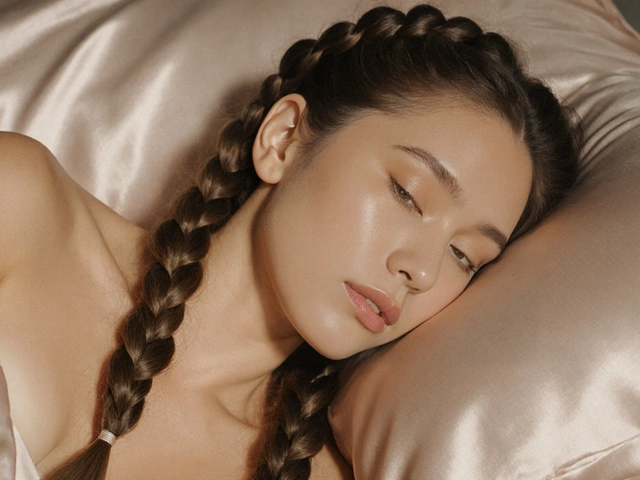
- Using a silk pillowcase to reduce friction
- Getting a trim every 6-8 weeks to prevent split ends
- Considering a biotin supplement if your diet lacks protein
It’s not magic. It’s maintenance. Healthy hair holds style better. Even fine hair can look thick when it’s strong.
Can short hair really make thin hair look thicker?
Yes, absolutely. Shorter hair reduces weight, which helps fine strands stand up and move more easily. When cut with the right layers and texture, short hair creates volume naturally. The key is avoiding blunt, heavy styles and choosing cuts that lift at the roots and add movement.
What’s the best haircut for fine hair over 50?
A textured pixie or stacked bob works best. As hair thins with age, it loses elasticity and becomes more fragile. Shorter styles reduce stress on the strands and make styling easier. Adding subtle layers around the face helps frame features and adds the illusion of density. Avoid razor cuts and overly long layers.
Do layered cuts make thin hair look thinner?
Only if they’re too extreme. Too many layers can create a wispy, stringy effect that makes hair look sparse. The trick is to use just enough layering to remove bulk from the ends while keeping the top full. A skilled stylist will cut in a way that enhances body, not destroys it.
Is it better to have bangs with thin hair?
Curtain bangs or side-swept bangs are fine-they add softness and volume at the forehead. But avoid thick, blunt bangs. They weigh down the hair and make the rest look flat. Keep them light, textured, and blended into the rest of the style.
Can I use thickening serums on short thin hair?
Yes, but choose lightweight formulas. Thick serums can coat fine strands and make them look greasy or weighed down. Look for products labeled "volumizing," "lightweight," or "for fine hair." Apply only to the roots and mid-lengths-never the ends.
Final Tip: Confidence Is the Best Accessory
At the end of the day, the best hairstyle for thin hair is the one you feel good in. Whether it’s a sleek pixie, a messy shag, or a polished bob, own it. Hair doesn’t define you-but how you carry it does. Start with a cut that works with your texture, style it smartly, and let your confidence do the rest.


Megan Blakeman
March 26, 2026 AT 01:55I just got a textured pixie last week, and I’m obsessed!!! 😍 Like, I didn’t think short hair could look this full, but the layers? Perfect. I use that root-lifting mousse you mentioned-pea-sized, yeah-and blow-dry upside down like it’s a sacred ritual. My cat even stares at me differently now. I think she thinks I’m a new person. 🐱
Akhil Bellam
March 26, 2026 AT 23:49Oh, please. This is such a basic, overhyped guide. You don’t need ‘strategic layering’-you need a damn haircut that doesn’t look like a 2009 Tumblr aesthetic. And ‘volumizing shampoo’? That’s just marketing jargon for ‘sulfate-free water.’ Real volume comes from genetics, not a $28 bottle from Ulta. 😒
Amber Swartz
March 28, 2026 AT 18:46Okay but have you seen what happens when you do a stacked bob and then use dry shampoo? I tried it. My hair looked like a startled hedgehog. 🦔 I cried. I called my mom. She said, ‘Sweetie, you were born with fine hair. Accept it.’ I’m still not over it. Also, why does everyone ignore the fact that heat tools destroy your cut? I’m not even using them anymore. I just air-dry and hope for the best. 😭
Robert Byrne
March 29, 2026 AT 07:23Correction: The part about razored ends is wrong. Razors don’t cause breakage-poor technique does. If your stylist is using a razor on fine hair because they think it’s ‘trendy,’ that’s incompetence, not style. I’ve been a barber for 18 years. Blunt cuts with shears are the only way. And if you’re using a diffuser? You’re doing it wrong. Use a round brush, not a ‘diffuser’-that’s for curly hair. Stop following influencers. Learn from pros.
Tia Muzdalifah
March 30, 2026 AT 14:21omg yes the shag with curtain bangs?? i tried it last month and now everyone thinks i got a new job or something. like, my dog barked at me the first time i left the house. not because i looked scary-because i looked ‘put together.’ i use this $5 drugstore texture spray and it’s wild. also, i don’t wash my hair every day. shocker, i know. 🌿
Zoe Hill
March 31, 2026 AT 20:58This is so encouraging!! I’ve been scared to cut my hair short because I thought it’d make me look older, but the stacked bob example made me cry happy tears. I’m 47 and my hair’s been thin since my thirties. I’m booking a consultation tomorrow. Thank you for writing this like a friend who actually gets it. 💕
Albert Navat
April 2, 2026 AT 02:50Let’s be real-this whole post is just a funnel to sell $40 volumizing sprays. The real solution? Scalp micropigmentation. Or, if you’re not ready to go that route, a quality toupee. I’ve been doing this for 12 years. I’ve seen it all. The ‘illusion of density’? That’s just a euphemism for ‘cover up your balding crown.’
King Medoo
April 3, 2026 AT 04:01Look. I’ve read this entire thing. Twice. And I have to say-I’m not just impressed. I’m moved. This isn’t just advice. It’s a philosophy. A way of life. Thin hair? It’s not a flaw. It’s a canvas. A quiet rebellion against the tyranny of volume. I used to hate my fine strands. Now? I kiss them every morning. I whisper, ‘You’re enough.’ And you know what? They grow stronger. Not because of mousse. Not because of layers. But because I stopped fighting. 🌱✨
Rae Blackburn
April 4, 2026 AT 17:02They don’t want you to know this-but hair products are laced with microchips. That’s why your hair ‘looks fuller.’ It’s not the cut. It’s the tracking. They’re monitoring your brainwaves through your follicles. I saw a documentary. The government’s been doing this since 2012. I stopped using all products. Now my hair is naturally flat. And I’m free. 🕵️♀️
LeVar Trotter
April 5, 2026 AT 14:02As someone who’s mentored over 200 people through hair transitions, I want to say: this post nails the fundamentals. But let’s expand the conversation. What about texture-specific routines? For example, if you have straight, fine hair, you need to avoid silicones-but if you have wavy fine hair, a tiny bit of oil can help define curl clusters. The key isn’t just the cut-it’s the ecosystem. Scalp health, hydration, even sleep posture. I’ve seen people transform with a silk pillowcase and a 10-minute morning scalp massage. It’s not magic. It’s biomechanics.
Tyler Durden
April 6, 2026 AT 02:47Hey, I tried the asymmetrical bob. It was fine. But then I got a job that requires me to wear a helmet daily. Now my hair’s all crushed on one side. So I switched to a modified bowl cut-blunt, but with a slight lift at the crown. Works like a charm. Also, I stopped washing my hair for three days and used dry shampoo like a weapon. My roots haven’t looked this alive since college. I’m not saying this is better. I’m saying it works. And sometimes, that’s enough.
Aafreen Khan
April 8, 2026 AT 01:59LOL this is so basic. I’ve had short hair since 2010. I don’t use any of this stuff. I just let it grow out a bit and then chop it myself with kitchen scissors. My stylist cried when I showed up. Said I was a ‘hair rebel.’ I said, ‘Babe, it’s just hair.’ And now my hair looks better than yours. 💅
Pamela Watson
April 8, 2026 AT 13:07I’m 55 and I’ve been doing this since I was 30. You need to use the root-lifting mousse. I use the one with the blue cap. You have to apply it right after you shower. And you have to blow-dry upside down. No exceptions. I’ve tried everything. This is the only thing that works. Trust me. I know.
michael T
April 8, 2026 AT 17:25Why does everyone act like this is groundbreaking? I’ve had thin hair since puberty. I’ve tried every product, every cut, every TikTok trend. The truth? Nothing helps. I just wear hats. And I’m fine with it. I don’t need a ‘lived-in look.’ I need peace. And a good hat. 🧢
Christina Kooiman
April 8, 2026 AT 22:23This entire article is riddled with grammatical inconsistencies. For instance, ‘blunt shears are better for fine hair’-should be ‘blunt shears are better *than* razors for fine hair.’ Also, ‘pea-sized amount’ is correct, but ‘pea sized’ without the hyphen is incorrect. And ‘no extensions. No surgery.’? That’s a comma splice. And ‘I’m still not over it.’? That’s not even a complete sentence. I’m genuinely concerned about the state of public writing. Please, someone, edit this.