
When you go through the waxing process, a method of hair removal that pulls hair out from the root using warm or cold wax. Also known as epilation, it’s one of the most common ways people remove unwanted hair on legs, brows, underarms, and even the face. Unlike shaving, which just cuts hair at the surface, waxing removes the whole strand — root and all. That’s why it takes weeks for hair to grow back instead of days. But here’s the thing: the waxing process doesn’t make hair grow back thicker or darker. It just feels that way because the hair grows back with a blunt tip, not a tapered one like after shaving.
What really affects how the waxing process works is your hair’s growth cycle and skin sensitivity. Hair grows in three phases — active, resting, and shedding. Waxing only works on hair in the active phase, which is why you need to wait 3 to 6 weeks between sessions. If you wax too soon, you’ll miss a lot of hair. If you wait too long, it gets too thick and hurts more. The eyebrow waxing, a precise form of waxing used to shape and clean up the brow area. Also known as brow shaping, it’s one of the most popular services because it gives clean lines without the mess of threading or plucking. But even the best brow waxing can go wrong if the wax is too hot or the skin isn’t prepped. That’s why so many people end up with redness, bumps, or worse — a wax burn on the upper lip. And yes, that’s a real thing. A wax burn, a minor skin injury caused by wax that’s too hot or applied incorrectly. Also known as thermal wax injury, it’s preventable with the right temperature and technique. Most burns heal in a week with aloe vera and sun protection.
The waxing process isn’t just about pulling hair. It’s about prep, product, and aftercare. Using honey wax instead of traditional chemical wax can reduce irritation. Applying a soothing oil like castor oil after helps calm the skin and even support slower regrowth. And if you’ve ever wondered why your eyebrows look thinner after threading or waxing — it’s not the removal. It’s overdoing it. Repeated waxing or threading in the same spot can damage the follicle over time, making hair grow back finer or not at all.
There’s no magic trick to pain-free waxing, but there are proven ways to cut the discomfort. Let your hair grow to the right length — about 1/4 inch. Skip caffeine before your appointment. Use a numbing cream if your skin is sensitive. And always follow up with a cool compress and gentle moisturizer. The waxing process isn’t meant to be torture. It’s meant to give you smooth skin that lasts.
Below, you’ll find real advice from people who’ve been through it — whether they’re dealing with a wax burn, trying to make their eyebrows look fuller, or choosing between honey wax and traditional strips. No fluff. Just what works.
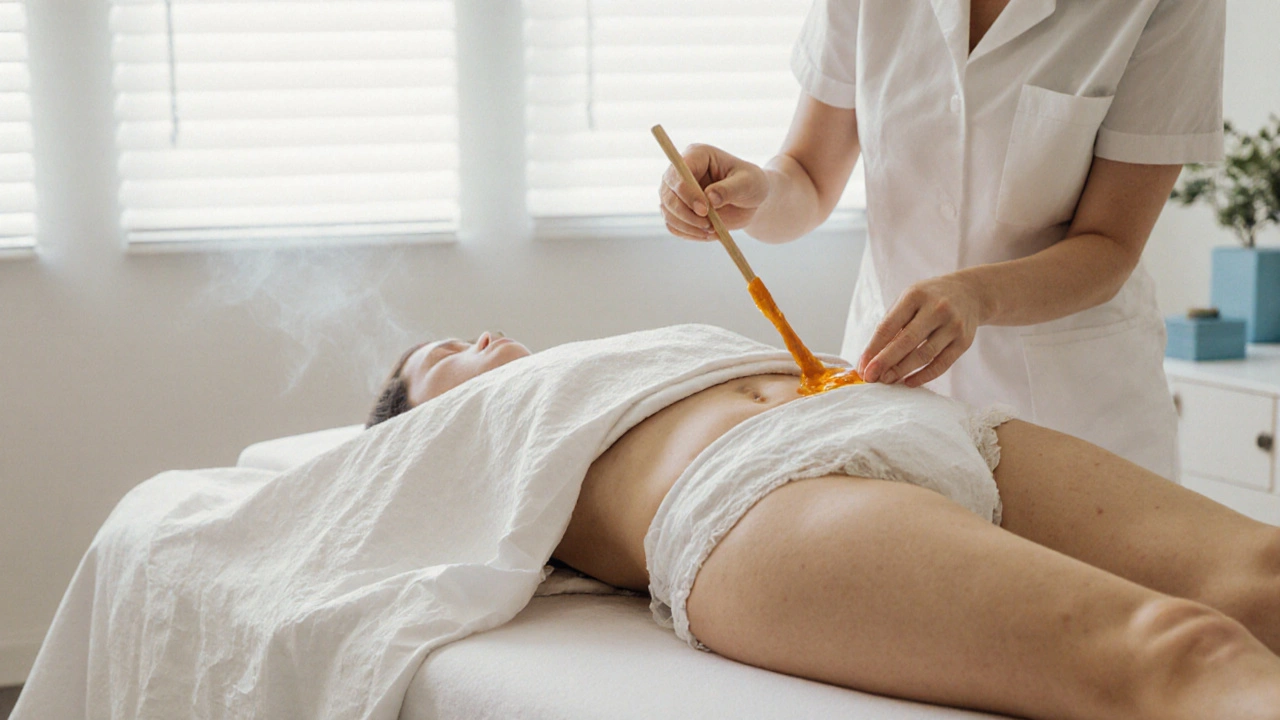
Learn exactly how a Brazilian wax is done, from preparation to aftercare. Get real advice on pain, timing, and what to expect-no fluff, just clear steps for first-timers.
 9
9