
When it comes to waxing hair length, the ideal length of hair before waxing determines how well the wax grips and removes hair, how much it hurts, and how long the results last. Also known as hair removal preparation, getting this right means fewer ingrown hairs, less redness, and smoother skin for weeks.
Eyebrow waxing, a common form of facial hair removal, works best when hair is between 1/4 and 1/2 inch long. Too short, and the wax can’t grab it. Too long, and it pulls harder—making it more painful. That’s why many people who wax at home end up frustrated: they didn’t wait long enough after shaving or tweezing. For body waxing, like legs or underarms, the same rule applies. Most salons won’t even start if your hair is under 1/4 inch. You need enough to hold onto.
Honey wax, a natural alternative to traditional wax, is gentler on sensitive skin and often used for facial areas like eyebrows and upper lips. But even honey wax needs the right hair length. It’s not magic—it still relies on physical grip. And if you’ve been tweezing or threading for years, your hair might be finer and shorter, making waxing less effective until it grows back to a usable length. That’s why experts say: stop tweezing 2–3 weeks before your wax appointment.
Waxing pain isn’t just about sensitivity—it’s about technique and hair length. Hair that’s too long snaps instead of pulling out cleanly, which increases discomfort. Hair that’s too short slips through the wax, forcing multiple passes. That’s when you get redness, bumps, and irritation. The sweet spot? Let it grow for about two weeks after your last shave or trim. You’ll notice the difference in how smoothly it comes out.
And don’t forget post-wax care. After removing hair, your pores are open. Using the wrong lotion or touching the area too soon can cause breakouts. That’s why many people turn to castor oil, a natural remedy to soothe and encourage regrowth after waxing. It’s not a quick fix, but it helps reduce redness and keeps skin soft while new hair grows in.
What you’ll find in the posts below are real answers to questions people actually ask: why waxing hurts more some weeks than others, how honey wax compares to regular wax, what to do when your eyebrows are overplucked, and how to make waxing less painful without skipping the growth phase. These aren’t theories—they’re experiences from people who’ve been there, and tips from pros who do this every day. Whether you’re new to waxing or you’ve been doing it for years, there’s something here that’ll make your next session smoother, easier, and less of a headache.
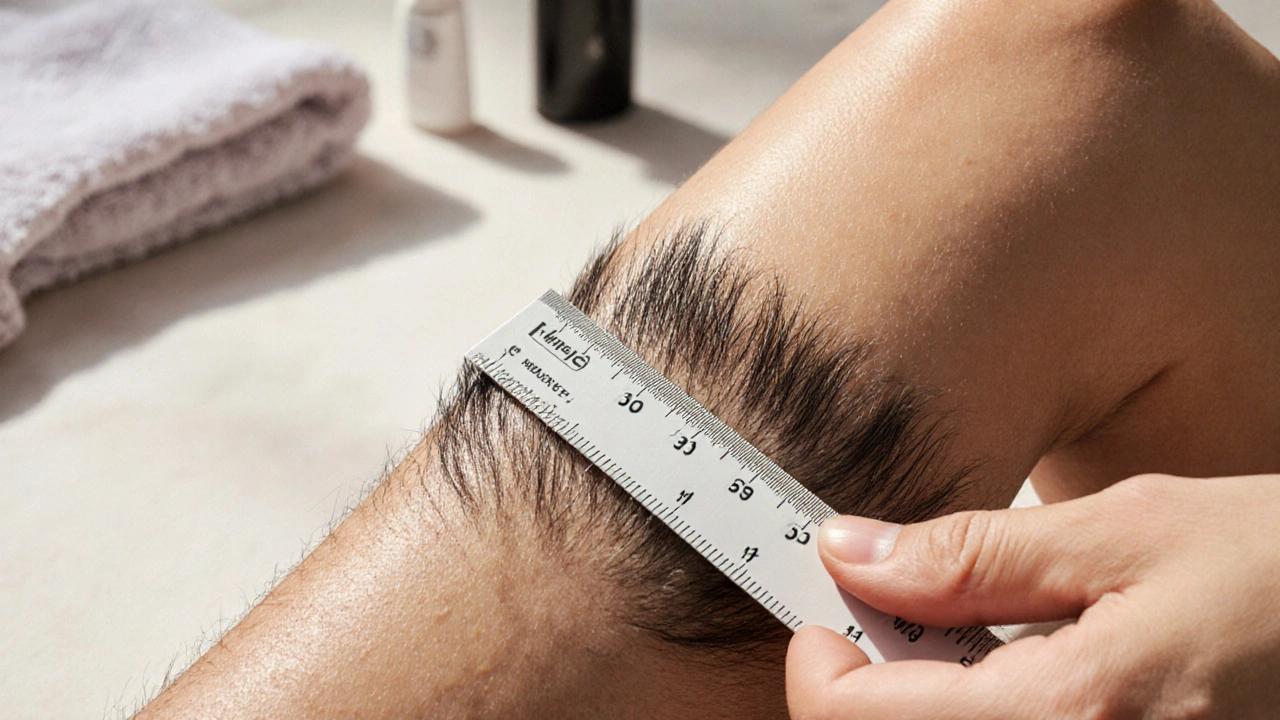
Find out exactly how long you need to let your hair grow before waxing for the best results. Learn the ideal length, timing by body area, and how to avoid common mistakes.
 9
9