

When you wax, you’re pulling hair out from the root—which means it takes time to grow back. But hair growth for waxing, the natural process of regrowth after hair removal. Also known as brow regrowth, it’s not just about waiting. It’s about creating the right conditions for healthy, even regrowth without damaging the follicle. Many people think waxing makes hair grow back thicker or darker. It doesn’t. What it does is expose weak spots in your skin if you don’t care for it properly after. That’s where castor oil for eyebrows, a natural oil used to nourish hair follicles and soothe irritated skin comes in. It’s not magic, but studies and real user results show consistent use helps reduce redness and speeds up visible regrowth by keeping the area moisturized and calm.
Waxing doesn’t kill follicles, but overdoing it—especially with poor technique or harsh products—can. If you wax your brows too often or pull too hard, you risk inflaming the follicle. That inflammation can slow down growth or even lead to permanent thinning. That’s why eyebrow regrowth, the process of restoring fullness after over-plucking or aggressive waxing takes 6 to 8 months in most cases. You can’t rush it. And no serum or supplement will fix damage that’s already done. What helps? Gentle care: no tweezing between sessions, avoiding alcohol-based toners, and using something like castor oil or a simple petroleum jelly at night. Heat tools, harsh scrubs, and chemical peels right after waxing? They’re a bad idea. Your skin needs to heal, not get stripped.
There’s a big difference between hair growth and hair appearance. Just because you see tiny fuzz doesn’t mean your brows are full again. It takes months for coarse, pigmented hairs to re-emerge. That’s why people get frustrated and start tweezing too soon. That’s the worst thing you can do. Tweezing during regrowth tugs on fragile new hairs and can mess up the natural shape. Let it grow. Use a spoolie to brush it upward daily—it trains the hairs to grow in the right direction and makes the fuzz look less patchy. And if you’re using a hair growth after waxing, the practice of supporting healthy follicle recovery after hair removal routine, stick with it. No quick fixes. No miracle creams. Just patience, consistency, and gentle care.
What you’ll find below are real, practical posts from people who’ve been through this—whether it’s how castor oil works, why over-waxing ruins your brows, or how to tell if your regrowth is normal or damaged. No fluff. No hype. Just what works when your skin is sensitive, your brows are thin, and you’re tired of guessing what to do next.
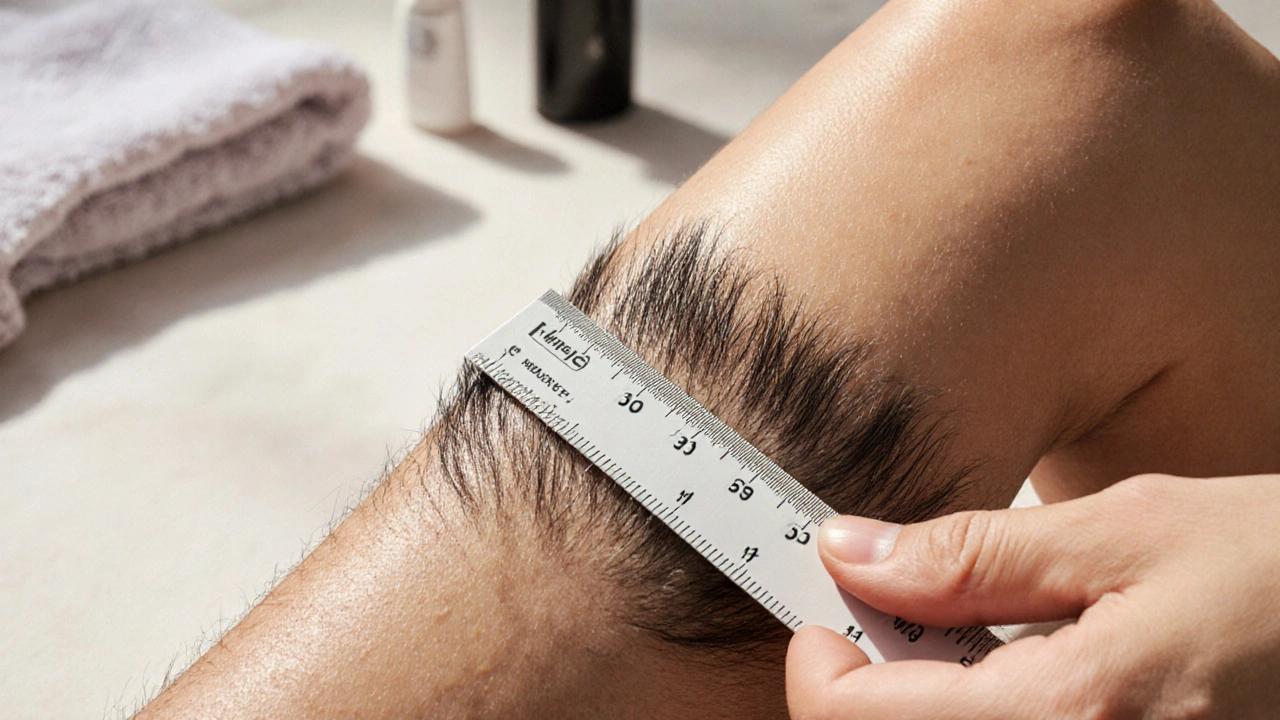
Find out exactly how long you need to let your hair grow before waxing for the best results. Learn the ideal length, timing by body area, and how to avoid common mistakes.
 9
9