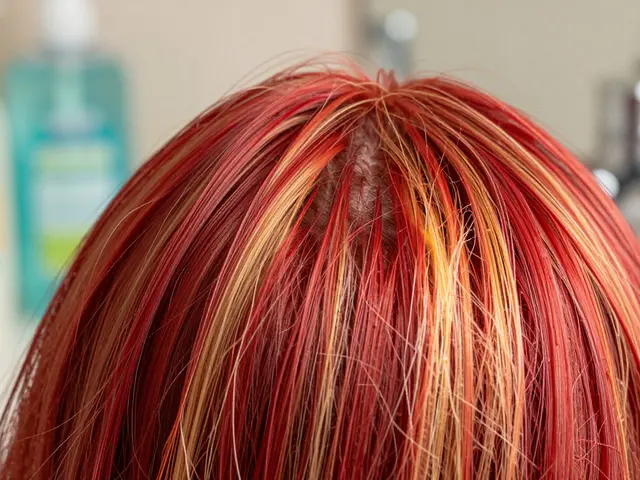

When you spend time and money on a new hair color, you want it to last. That’s where hair color shampoo, a specialized shampoo designed to protect and extend the life of dyed hair. Also known as color-safe shampoo, it’s not just a gentler version of regular shampoo—it’s formulated to lock in pigment and reduce fading caused by water, heat, and harsh chemicals. But here’s the truth: not all hair color shampoos do what they claim. Some just rinse out color faster than your old drugstore brand. The difference isn’t always in the price tag—it’s in the ingredients.
What makes a shampoo truly color-safe? It’s usually free of sulfates, strong cleansing agents that strip color from hair. Also known as SLS and SLES, these are the same ingredients that make your shampoo lather like crazy—but they also wash out your dye with every wash. Then there’s pH balance, a key factor in how well your color holds up. Hair cuticles open in high-pH environments, letting color escape. Color-safe shampoos are typically low-pH, keeping the cuticle sealed and your shade locked in. And while some brands add oils or UV filters, those are extras. The real work happens in the base formula.
People who dye their hair—whether it’s covering grey, going blonde, or trying a bold red—need this kind of shampoo. But it’s not just for salon clients. If you’re using box dye at home, your hair is even more vulnerable. Box dyes often damage the hair structure, making it porous and quick to lose pigment. A good color-safe shampoo helps repair that damage over time, not just mask it.
And it’s not just about the shampoo. What you do after washing matters too. Hot showers, daily heat styling, and chlorine from pools all fade color faster than anything else. That’s why so many posts here talk about how to protect dyed hair—not just with shampoo, but with routines, conditioners, and even how often you wash. You can use the best color-safe shampoo in the world, but if you’re washing your hair every day with boiling water, you’re fighting a losing battle.
Some brands claim their shampoos are "natural" or "plant-based," but that doesn’t automatically mean they’re better for color. A shampoo with henna or aloe might be gentle, but if it lacks the right pH or contains hidden sulfates, it won’t protect your dye. That’s why we’ve got posts breaking down what’s actually in hair color products, what ingredients to avoid, and which ones deliver real results without the hype.
And if you’ve ever noticed your color turning brassy, dull, or weirdly grey after a few washes, you’re not alone. That’s often not the dye failing—it’s your shampoo. Or maybe your water. Or maybe you’re mixing dye with conditioner, which we’ve seen mess up color more than people realize. This collection pulls together real experiences, expert advice, and ingredient deep dives to help you cut through the noise.
Below, you’ll find honest guides on how to choose the right shampoo, what to look for on the label, and how to pair it with other products so your color lasts longer, looks richer, and stays true to the tone you paid for. No fluff. No gimmicks. Just what works—for your hair, your routine, and your wallet.
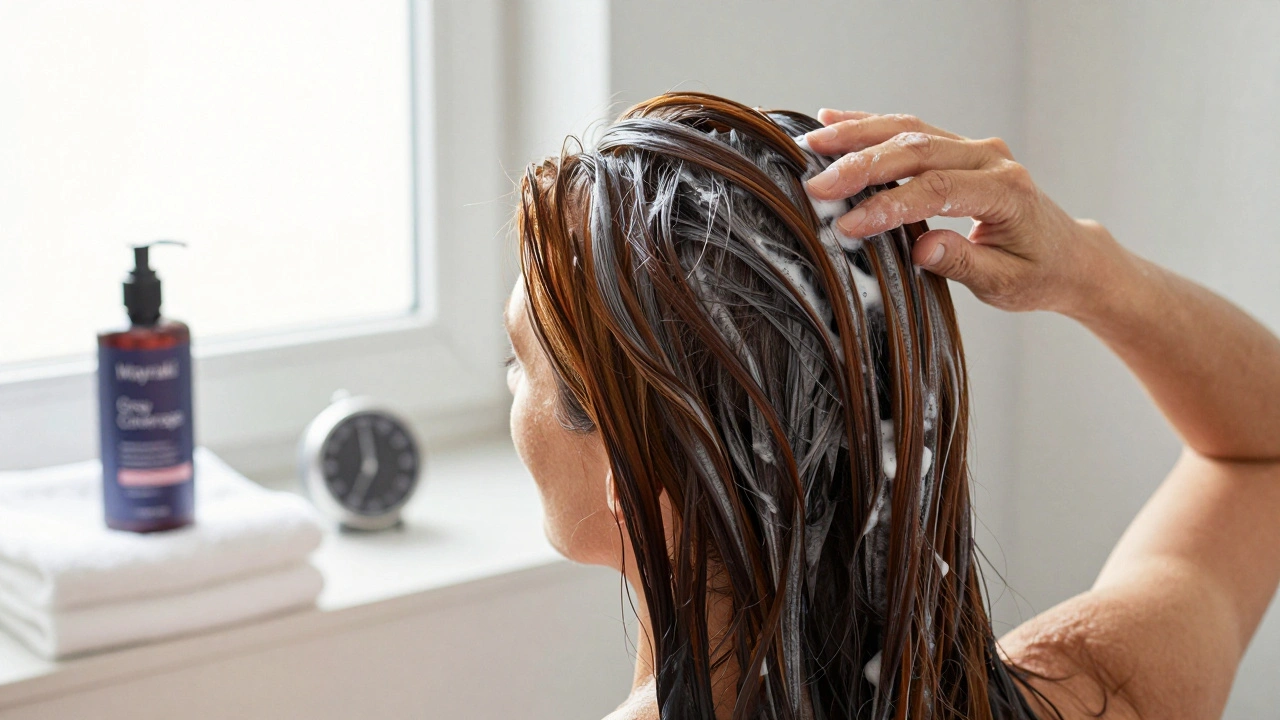
Discover the best hair color shampoos for 2025 that cover gray naturally, without ammonia or salon visits. Learn how they work, which ones to buy, and how to use them right.
 8
8