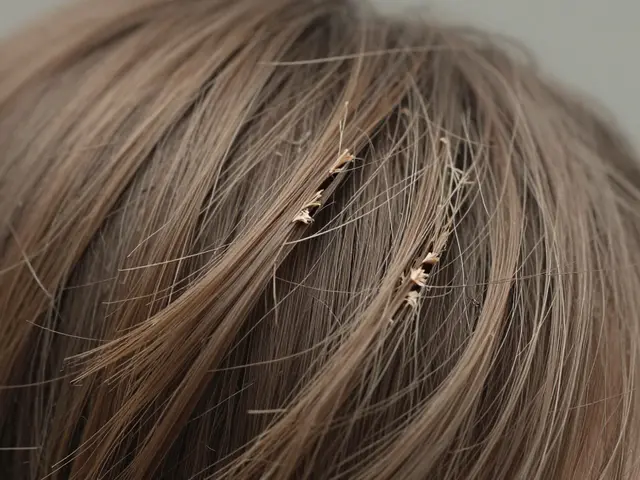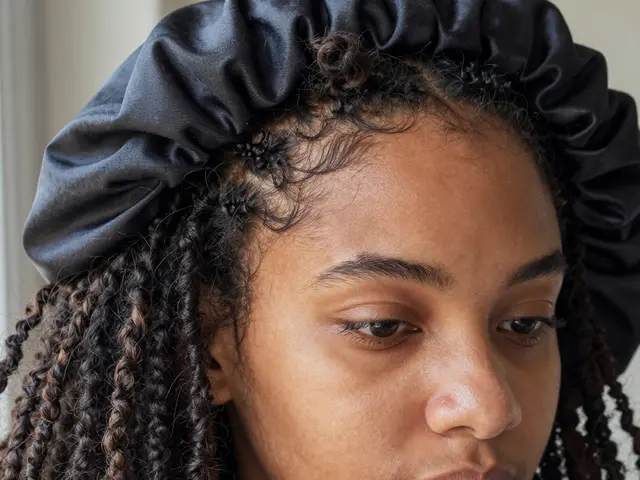

When you decide to grow out dyed hair, the process of letting your natural hair color return after coloring or bleaching. Also known as hair color transition, it’s one of the most common yet misunderstood phases in hair care. It’s not just about waiting — it’s about managing the line between your colored ends and your roots, avoiding damage, and keeping your hair looking intentional, not messy.
Many people think the only way to deal with regrowth is to touch up color every four weeks, but that’s a cycle that leads to dry, brittle hair. Instead, smart strategies like using hair extensions, additions like clip-ins, halos, or tape-ins that blend with your natural hair. Also known as hair additions, they can mask the regrowth without heat or chemicals. Halo extensions, for example, sit on top of your head and cover the roots without glue or sewing — perfect for hiding dark regrowth under blonde hair. You can also use them to add volume while your natural hair grows back, making the transition feel less like a compromise and more like a style upgrade.
What you do during this phase matters more than you think. Overwashing strips moisture, heat styling breaks fragile new growth, and skipping conditioner makes the color line look harsher. Wash less, use sulfate-free shampoos, and always protect your ends with a heat protectant if you style. Sleeping on a satin pillowcase — something you’d also do if you had tape-in hair extensions, a type of hair extension applied with adhesive strips that lay flat against the scalp. Also known as tape extensions, they — helps reduce friction and breakage. And if your roots are dark and your lengths are light, try a lowlight or shadow root to soften the contrast. It’s not a full color job — just a subtle blend that makes the grow-out look like a design choice, not a mistake.
Don’t let the process feel like a punishment. Your hair is healing. Your roots are growing. And with the right tools and mindset, you can look great while it happens. The posts below cover real tips from people who’ve been there — how to use clip-ins to hide regrowth, how to choose the right shade to blend, what products actually help damaged hair recover, and how to stop worrying about the line between your old color and your natural tone. You’re not stuck. You’re transitioning. And you’ve got options.

Dyed hair doesn't fade back to natural color-it grows out. Learn the real timeline, the best transition methods, how to avoid damage, and why professional blending works better than DIY fixes.
 8
8