
When you start seeing gray hairs, gray coverage shampoo feels like a quick fix—wash and walk out with less silver. But not all of them do what they promise. These shampoos use pigments to temporarily tint hair as you wash, masking gray without permanent dye. They’re popular because they’re gentle, easy to use, and don’t require a salon visit. Still, many people get frustrated when the color fades after one wash or turns brassy. The truth? Some work well for fine or light hair, but they’re not magic. For thick, coarse, or dark gray hair, they often fall short.
What makes one gray coverage shampoo, a temporary hair coloring product that deposits pigment during washing to conceal gray strands better than another? It comes down to the ingredients. Look for shampoos with natural pigments like beetroot, indigo, or henna—these blend more naturally than synthetic dyes. Avoid ones with heavy silicones or sulfates; they strip your hair and make the color look patchy. Also, if your hair is already damaged from bleach or heat, these shampoos can make it worse. They’re not meant to repair hair—they just add color. For best results, pair them with a moisturizing conditioner and use them 2–3 times a week, not daily. Overuse can lead to buildup, dullness, or even a greenish tint on very light gray hair.
People often confuse gray coverage shampoo, a temporary hair coloring product that deposits pigment during washing to conceal gray strands with ammonia-free hair shampoo, a hair coloring product that changes hair color without using ammonia, making it gentler on the scalp and hair structure. The difference matters. Ammonia-free shampoos still penetrate the hair shaft and last weeks. Gray coverage shampoos sit on the surface and wash out. If you want real, lasting color, you need a semi-permanent or permanent dye. But if you just want to tide you over between appointments, or you’re testing the waters before committing to color, gray coverage shampoo is a low-risk option. It’s also great for people with sensitive scalps who react to traditional dyes.
Some users swear by purple or blue-tinted shampoos for gray hair, thinking they brighten silver. But those are for neutralizing yellow tones—not covering gray. If your goal is to hide silver, you need a shampoo that matches your natural hair color, not one that makes it look cooler. Brands like Clairol, L’Oréal, and Joico have options that work well for different tones, but results vary by hair texture and porosity. Always patch-test first. And don’t expect miracles—if you have 80% gray, no shampoo will make you look 100% dark. But if you’ve got 20–40% gray and want a subtle, low-maintenance boost, the right formula can make a real difference.
What you’ll find below are real experiences from people who’ve tried these products—some loved them, others felt misled. We’ve gathered posts that cut through the marketing and show what actually happens when you wash your hair with gray coverage shampoo. You’ll learn which ones last, which ones stain towels, which ones work on curly hair, and which ones are better left on the shelf. No fluff. Just what works—and what doesn’t.
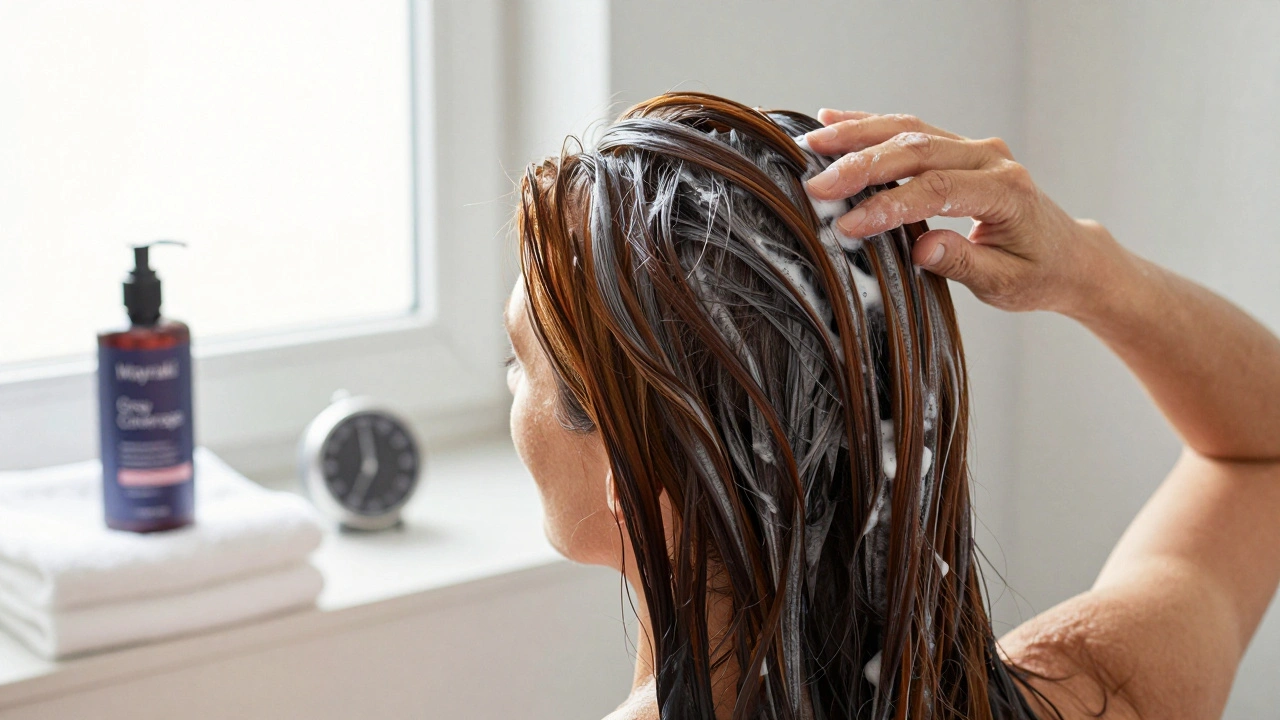
Discover the best hair color shampoos for 2025 that cover gray naturally, without ammonia or salon visits. Learn how they work, which ones to buy, and how to use them right.
 8
8