
Waxing your face sounds simple-pull off the hair, get smooth skin, done. But if you’ve ever walked out of a salon with a red, stinging patch on your upper lip or felt a sharp burn after trying at-home wax strips, you know it’s not that straightforward. Face waxing isn’t like leg waxing. Your facial skin is thinner, more sensitive, and packed with oil glands and nerves. So when someone asks, is it good to wax the face? The answer isn’t yes or no. It’s: it depends.
What Happens When You Wax Your Face?
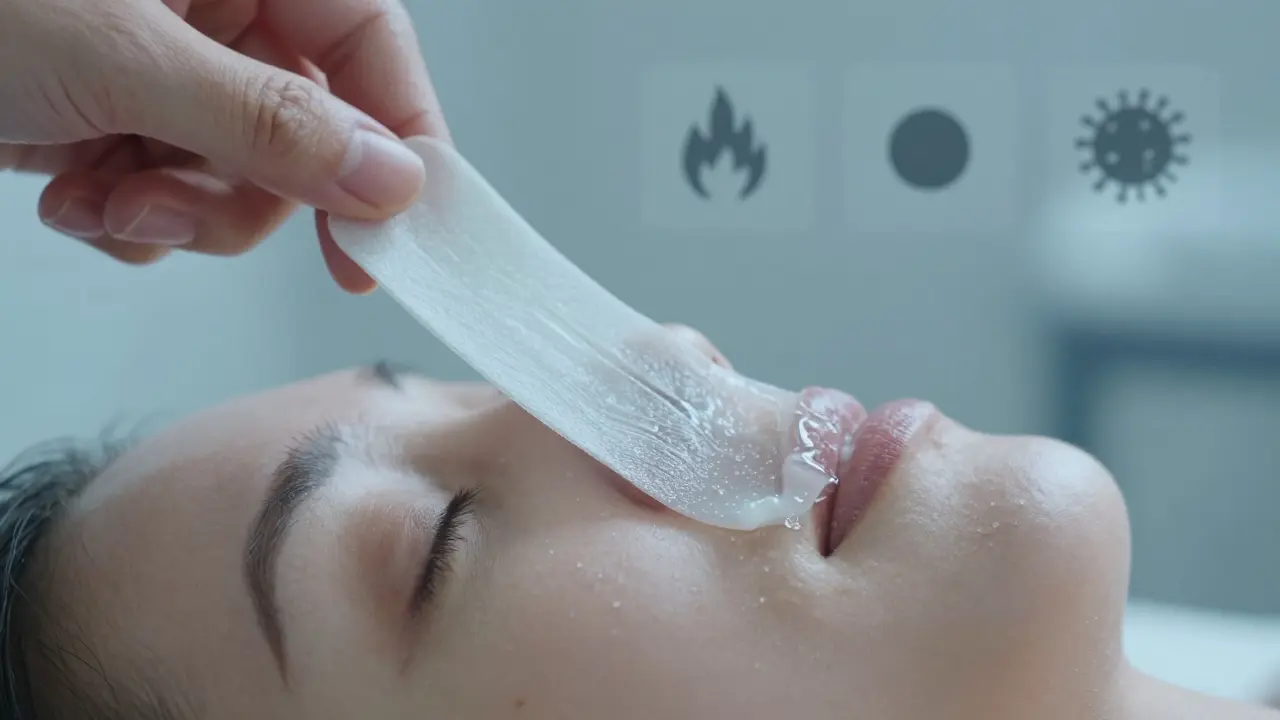
Facial waxing pulls hair out from the root, same as body waxing. But here’s the catch: your face has way more hair follicles per square inch than your legs. That means more trauma to the skin in a smaller space. The wax sticks to both hair and the top layer of skin. When you yank it off, you’re not just removing hair-you’re lifting dead skin cells, clogging pores, and sometimes tearing microscopic skin layers.
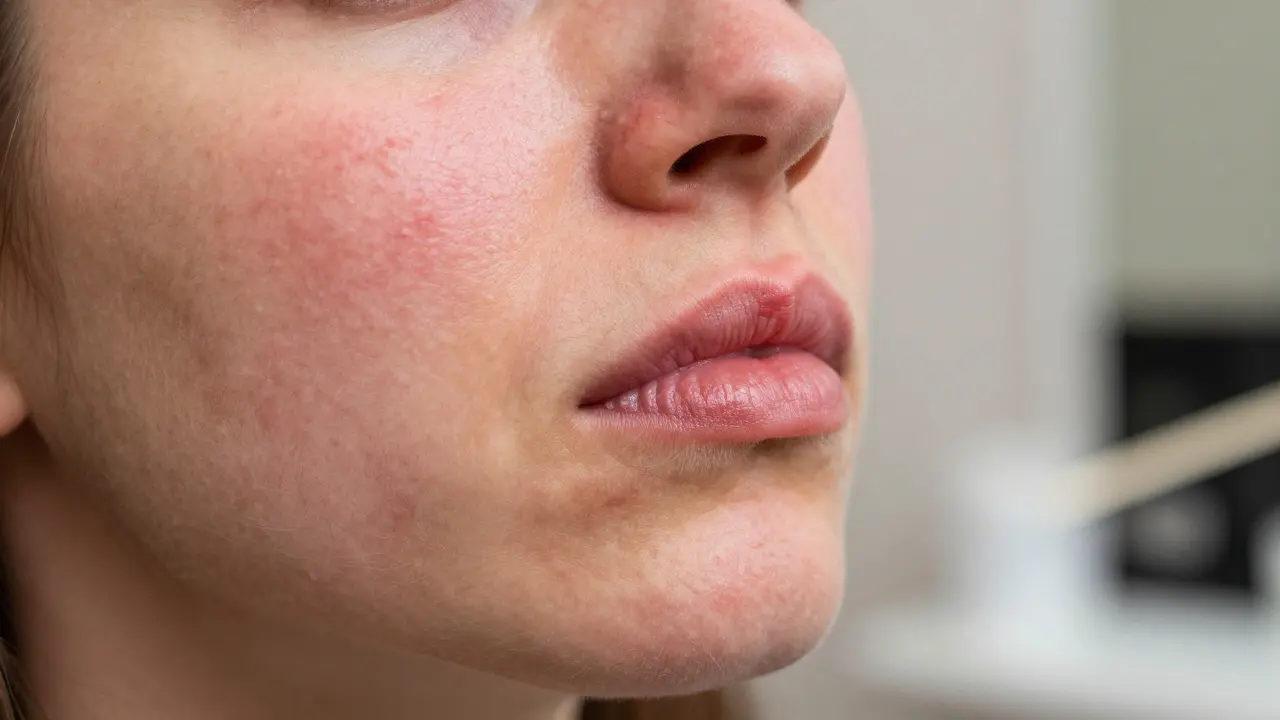
People do it for a reason. Waxing lasts longer than shaving-usually three to six weeks. No stubble. No razor burn. But that smoothness comes at a cost. After waxing, your skin is raw. Blood flow increases. Inflammation kicks in. That’s why redness and swelling are normal for the first few hours. But if it lasts more than 24 hours, or if you see tiny white bumps, blisters, or peeling, you’ve crossed into damage territory.
Common Side Effects of Facial Waxing
Not everyone reacts the same way, but these side effects show up often enough to be warning signs:
- Redness and irritation - Most common. Usually fades in a few hours. If it lasts over a day, your skin is too sensitive for wax.
- Ingrown hairs - Waxing doesn’t prevent them. In fact, it can make them worse. Hair grows back curved and gets trapped under skin, especially on the chin and upper lip.
- Hyperpigmentation - Dark spots form after inflammation, especially in people with medium to dark skin tones. This isn’t temporary-it can last months.
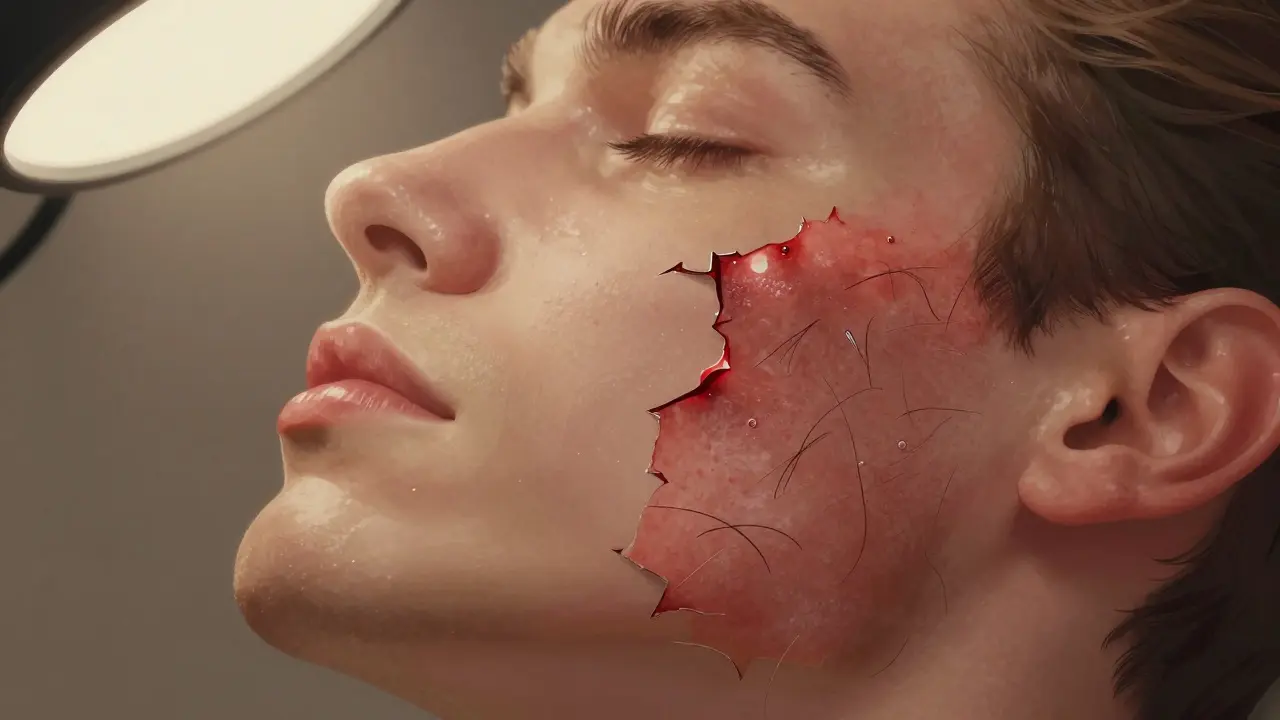
- Wax burns - This isn’t just discomfort. If the wax is too hot, it can cause first- or second-degree burns. Eyebrow wax burn is one of the most common complaints. It leaves a red, blistered patch that takes weeks to heal and can scar.
- Infection - If tools aren’t clean or you touch your face afterward, bacteria like staph can enter through the open follicles. Pimples that turn into painful boils are a red flag.
There’s also something called epidermal stripping. That’s when the wax removes not just hair but the top layer of skin. It sounds scary because it is. Dermatologists see this often after at-home waxing kits are used incorrectly. The skin looks like it’s been sandpapered. It stings for days. And it leaves you vulnerable to sun damage and further irritation.
Who Should Avoid Facial Waxing?
Some people should skip it entirely. If any of these apply to you, waxing is a bad idea:
- You use retinoids (Retin-A, tretinoin, adapalene) or other acne medications - These make your skin paper-thin. Waxing can rip it off.
- You have rosacea, eczema, or psoriasis - Waxing triggers flare-ups. The heat and pulling worsen redness and itching.
- You’ve had chemical peels or laser treatments in the last two weeks - Your skin is still healing. Waxing now = permanent damage risk.
- You’re on blood thinners or have diabetes - Your skin heals slower. Minor wounds become slow-healing sores.
- Your skin is sunburned, broken, or has active acne - Waxing over pimples can spread bacteria and leave scars.
Even if you don’t have a condition, if your skin stings after a light toner, waxing isn’t for you. Your skin is signaling that it’s too sensitive for this kind of trauma.
Waxing vs. Other Facial Hair Removal Methods
Waxing isn’t the only option. Here’s how it stacks up:
| Method | Duration | Pain Level | Risk of Side Effects | Best For |
|---|---|---|---|---|
| Waxing | 3-6 weeks | High | High (burns, pigmentation, ingrowns) | Thick, coarse hair; long-lasting results |
| Threading | 2-4 weeks | Moderate | Low (minor redness) | Brows, upper lip; sensitive skin |
| Shaving | 1-3 days | Low | Low (razor burn possible) | Quick touch-ups; sensitive skin |
| Laser Hair Removal | Permanent reduction | Mild (rubber band snap) | Low (if done right) | Long-term solution; dark, coarse hair |
| Depilatory Creams | 3-7 days | Low | Moderate (chemical burns if left too long) | People who hate pulling hair |
Threading is the safest alternative for brows and upper lip. It doesn’t use heat or chemicals. It’s precise. No burns. No peeling. Just a little tugging. Laser is the real game-changer-if you’re willing to spend the time and money. It doesn’t remove hair instantly, but after 6-8 sessions, you’ll need touch-ups maybe once a year.
How to Wax Your Face Safely (If You Must)
If you’ve decided to go ahead, here’s how to cut the risks in half:
- Stop all exfoliants and retinoids 3 days before - Your skin needs to be calm.
- Test the wax temperature - Drip a tiny bit on your inner wrist. Wait 10 seconds. If it’s hot, wait longer. Wax should feel warm, not burning.
- Don’t reuse wax or strips - That’s how infections spread. Even salon wax can be contaminated if it’s not fresh.
- Apply a soothing gel after - Aloe vera, chamomile, or hydrocortisone cream (1%) can calm inflammation. Avoid alcohol-based toners.
- Avoid sun exposure for 48 hours - Your skin is raw. UV rays will darken any redness into permanent spots.
- Wait at least 4 weeks between sessions - Hair needs to be at least 1/4 inch long. Rushing it means more pain and more damage.
And never, ever wax over moles, warts, or broken skin. That’s a direct path to infection or scarring.
When to See a Dermatologist
Not every red patch is a big deal. But if you see any of these, get help:
- Blisters that don’t heal in 3 days
- Pus or yellow crusting around the waxed area
- Dark patches that don’t fade after 2 weeks
- Scarring or raised, thickened skin
- Pain that gets worse instead of better
These aren’t normal. They’re signs of injury or infection. Left untreated, they can leave permanent marks. A dermatologist can prescribe antibiotics, lightening creams, or even laser treatments to fix damage from bad waxing.
The Bottom Line
Waxing your face isn’t inherently bad. But it’s risky. It’s not a gentle beauty routine. It’s a physical trauma to delicate skin. For most people, the long-term side effects-dark spots, scarring, chronic irritation-outweigh the short-term smoothness.
If you want clean brows and a smooth upper lip, threading is safer. If you want to stop facial hair for good, laser is worth the investment. Waxing? Save it for your legs. Your face deserves better.
Can I wax my face if I have acne?
No. Waxing over active acne spreads bacteria, causes more breakouts, and can lead to deep scarring. Wait until your skin is clear before considering waxing.
Does waxing make facial hair grow back thicker?
No. That’s a myth. Waxing removes hair from the root, so it grows back finer and slower over time. It doesn’t change the thickness of the hair follicle.
How long does eyebrow wax burn take to heal?
Minor burns from waxing usually heal in 3-5 days. If blisters form or the skin peels, it can take 1-2 weeks. Severe burns may leave a scar or permanent discoloration, especially in darker skin tones.
Is at-home facial waxing safe?
It’s riskier than professional waxing. At-home kits often use wax that’s too hot, and people don’t know how to apply it properly. Most facial wax burns happen at home. If you’re inexperienced, skip it.
What’s the best way to soothe skin after facial waxing?
Use a fragrance-free aloe vera gel or 1% hydrocortisone cream. Cold compresses help reduce swelling. Avoid makeup, sunscreen, and exfoliants for 24 hours. Never pick at peeling skin.