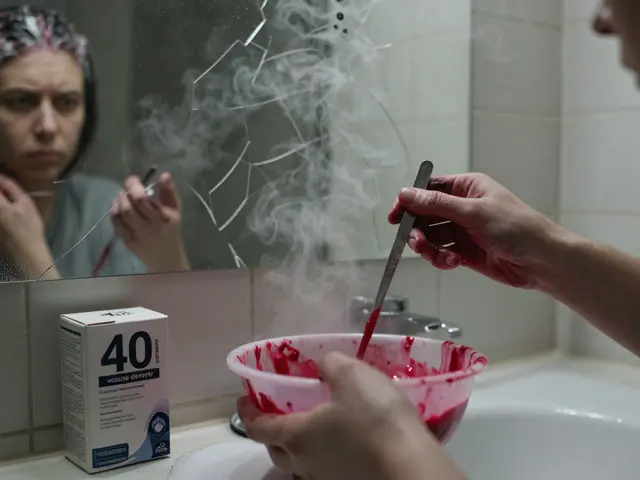

When you're looking for safe hair color for Indian hair, a hair dye formulated to protect the dense, coarse, and often curly texture common in Indian hair. Also known as gentle hair dye for dark hair, it's not just about covering gray or changing tone—it's about preserving strength, moisture, and natural shine. Most box dyes are built for fine, processed hair, and they tear through Indian hair like paper. The result? Dryness, breakage, and uneven color that fades fast. You don’t need to sacrifice vibrancy for safety. The key is choosing formulas that don’t rely on ammonia or high-volume developers to force color in.
ammonia-free hair dye, a coloring system that uses alternatives like MEA or ethanolamine to open the hair cuticle. Also known as low-damage hair color, it’s gentler because it doesn’t strip natural oils or swell the hair shaft as aggressively. Brands that specialize in this often include conditioning agents like argan oil, keratin, or aloe vera—ingredients that help your hair stay soft while the color sets. These dyes work best for subtle shifts, rich brunettes, or adding dimension to dark hair without bleaching. If you want to go lighter than your natural shade, you’ll still need professional help, but even then, a skilled colorist can use bond-builders and low-impact lighteners to protect your strands.
Indian hair often has a high melanin content, which means it absorbs color differently than lighter hair. That’s why a brown box dye might turn brassy, ashy, or even look grey—not because the dye is bad, but because it wasn’t made for your hair type. hair dye for dark hair, a category of color formulas designed to deposit pigment without over-processing. Also known as deposit-only color, it’s the smartest choice if you want to deepen your natural tone, add warmth, or cover grays without harsh chemicals. Mixing dye with conditioner? Only do it with semi-permanent formulas. Permanent dyes need chemical activation to work—and conditioner blocks that. Always check the label.
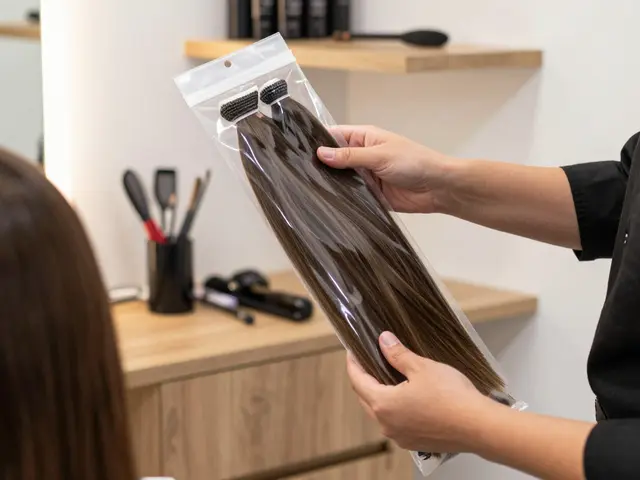
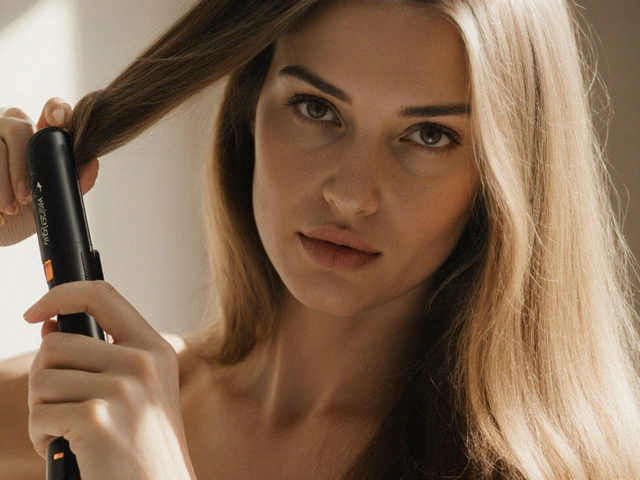
And if you’re thinking about extensions to add length or color? Make sure the color matches your natural hair exactly. A mismatched extension doesn’t just look fake—it puts extra stress on your roots when you style or wash. Clip-ins made from human hair, blended to your shade, can be heat-styled safely if you use low heat and a heat protectant. Don’t skip the deep conditioning either—Indian hair thrives on moisture, not just color.
What you’ll find below are real, practical guides based on what actually works for people with Indian hair. No fluff. No marketing hype. Just clear answers on what dyes are safe, how to avoid damage, why some methods fail, and how to keep your hair healthy while still changing your look. Whether you’re trying to cover grays, add dimension, or experiment with color for the first time, the posts here give you the tools to make smart choices—without risking your hair’s health.
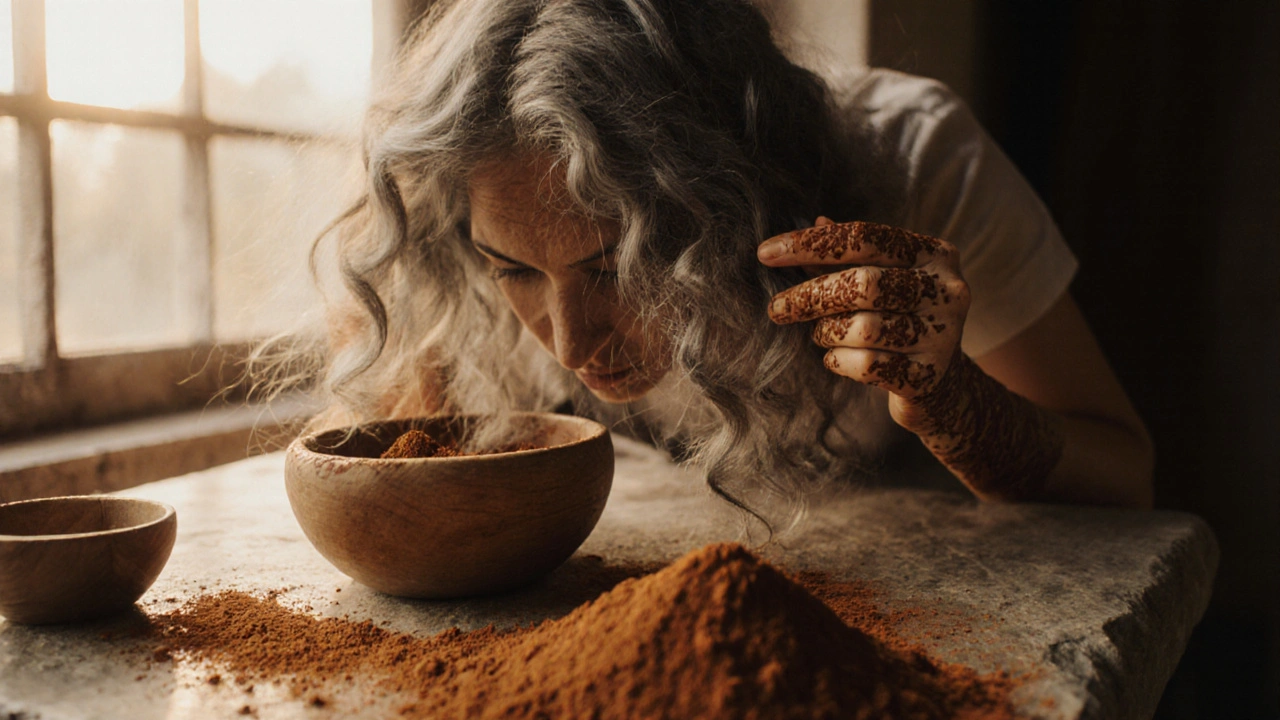
Discover the safest natural hair color brands for Indian hair - with no ammonia, PPD, or peroxide. Learn which ones cover grey best, how to apply them, and why they’re better for your scalp and hair health.
 13
13